Uncomfortable Viewing Position: Encountering Zenta Dzividzinska’s Photographs as Daughter and Scholar

Alise Tifentale, “Uncomfortable Viewing Position: Encountering Zenta Dzividzinska’s Photographs as Daughter and Scholar” [working title]

Chapter commissioned by the editor, Dr. Līga Goldberga, for a volume about the collection of photographs, negatives, and personal papers by Zenta Dzividzinska (1944-2011) at the National Library of Latvia.

Forthcoming, to be published by the National Library of Latvia.
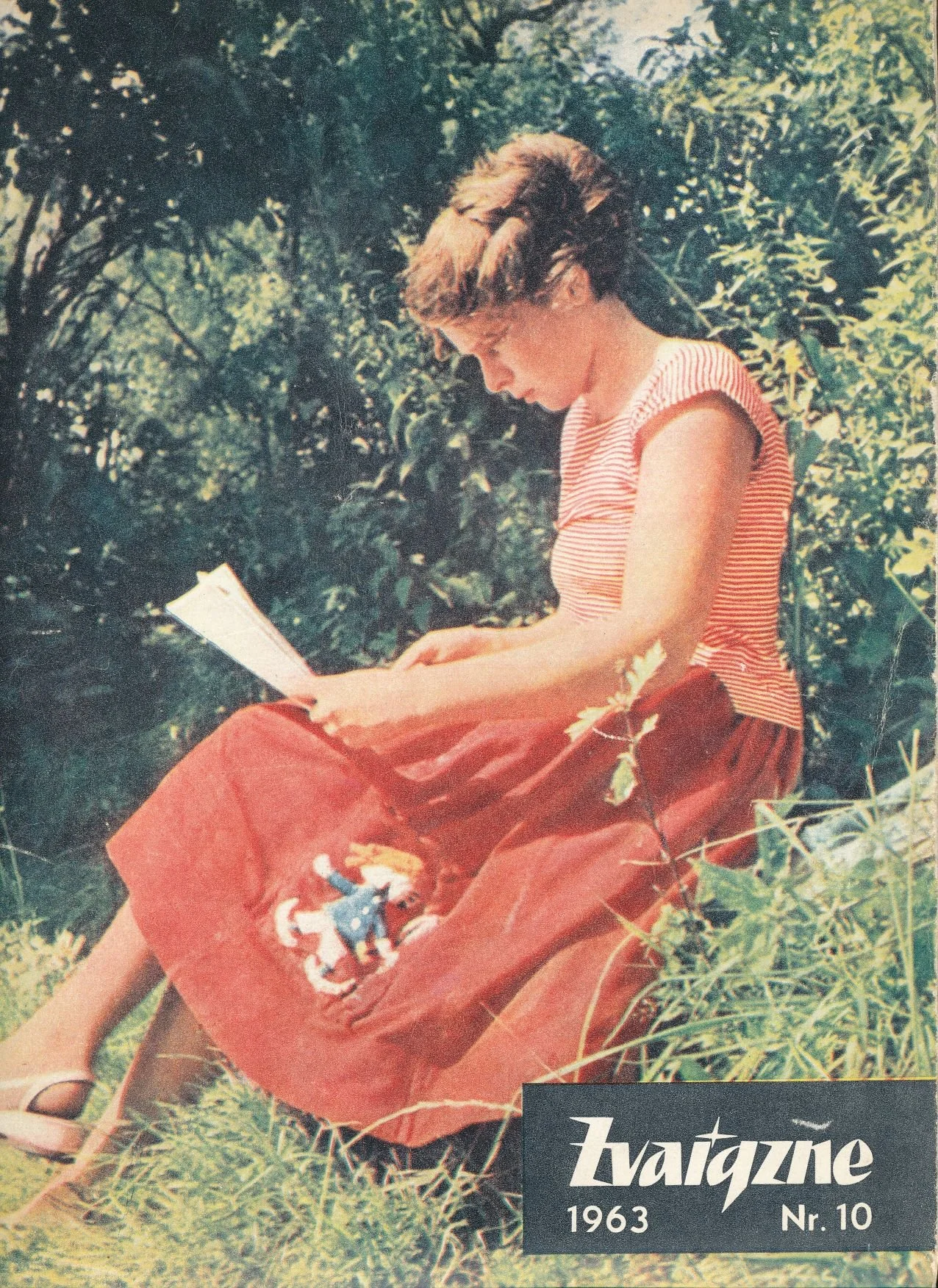
V. Gailis, Anticipating the Summer (“Vasaras gaidās”) [portrait of Zenta Dzividzinska], as reproduced on the cover of May 20, 1963, issue of The Star (Zvaigzne), published in Riga, Latvia.


Abstract [working version as of February 2026]

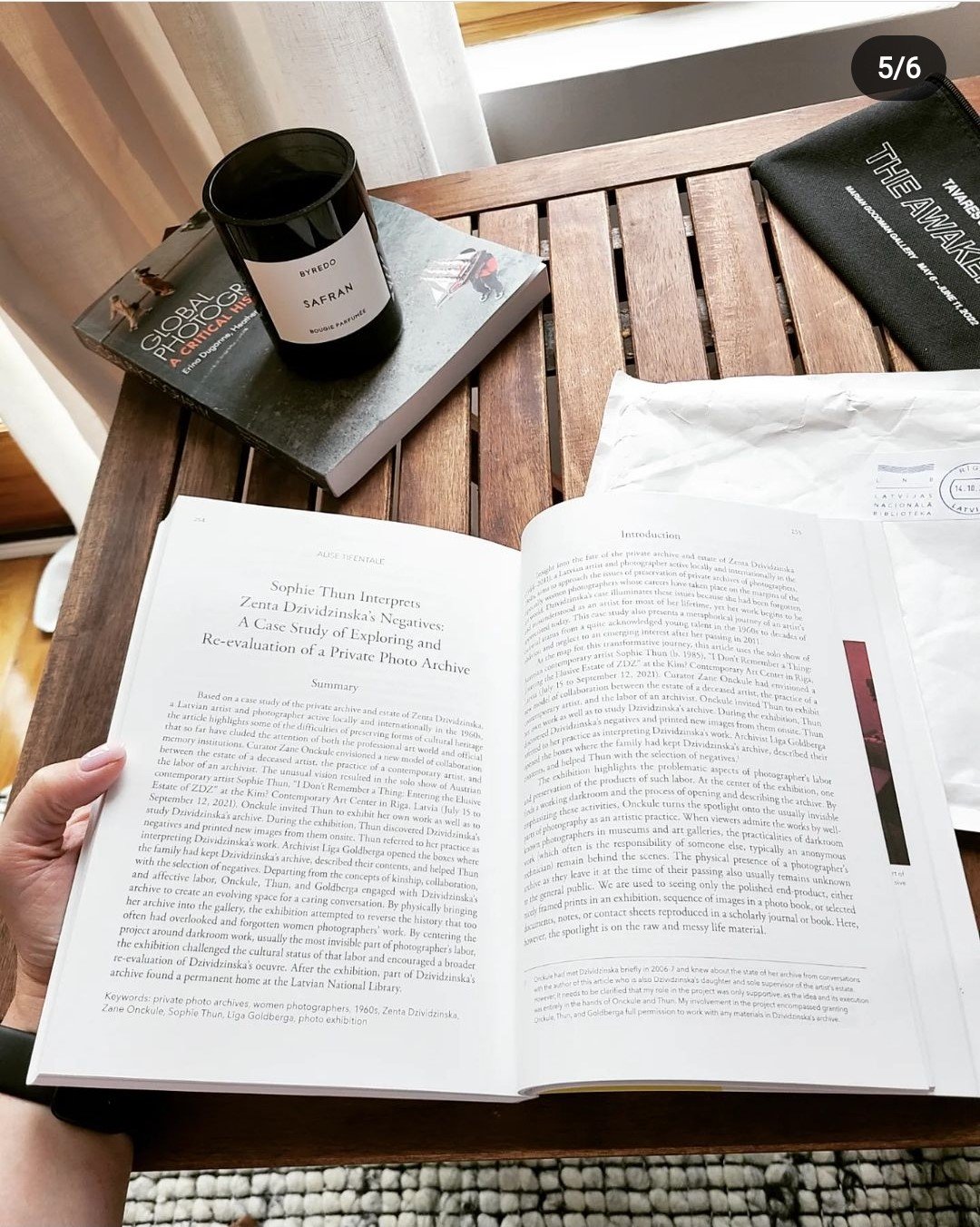
This chapter outlines some of my encounters with the photographic “archive” of Latvian artist and photographer Zenta Dzividzinska (1944-2011) who is also my mother.

Here I use the word “archive” in quotation marks because her photographic work became an archive only upon entering the collection of the National Library of Latvia in 2021, a decade after her passing. Dzividzinska was an artist, not an archivist, and her own treatment of her photographic work was very far from any of the structures, conditions, and institutional procedures we today associate with archival preservation.

The chapter is simultaneously a personal and professional attempt to reflect on my mother’s creative career, which she had decided to end quite abruptly around the time of my coming into the world. To approach her artistic legacy, I acknowledge my discomfort and struggle with theoretical concepts that I, as a historian of art and photography, have been trained to deploy in discussing and analyzing collections of photographic images and the lives of their makers. I anticipate that somewhere between Barthes’ mournful rumination and Foucault’s razor-sharp dissection of power relations lies another possibility, at this moment only a possibility, of discovering something about the artist, about her work, and the photographic medium itself, while examining it from the extremely uncomfortable viewing position of the artist’s daughter and scholar.

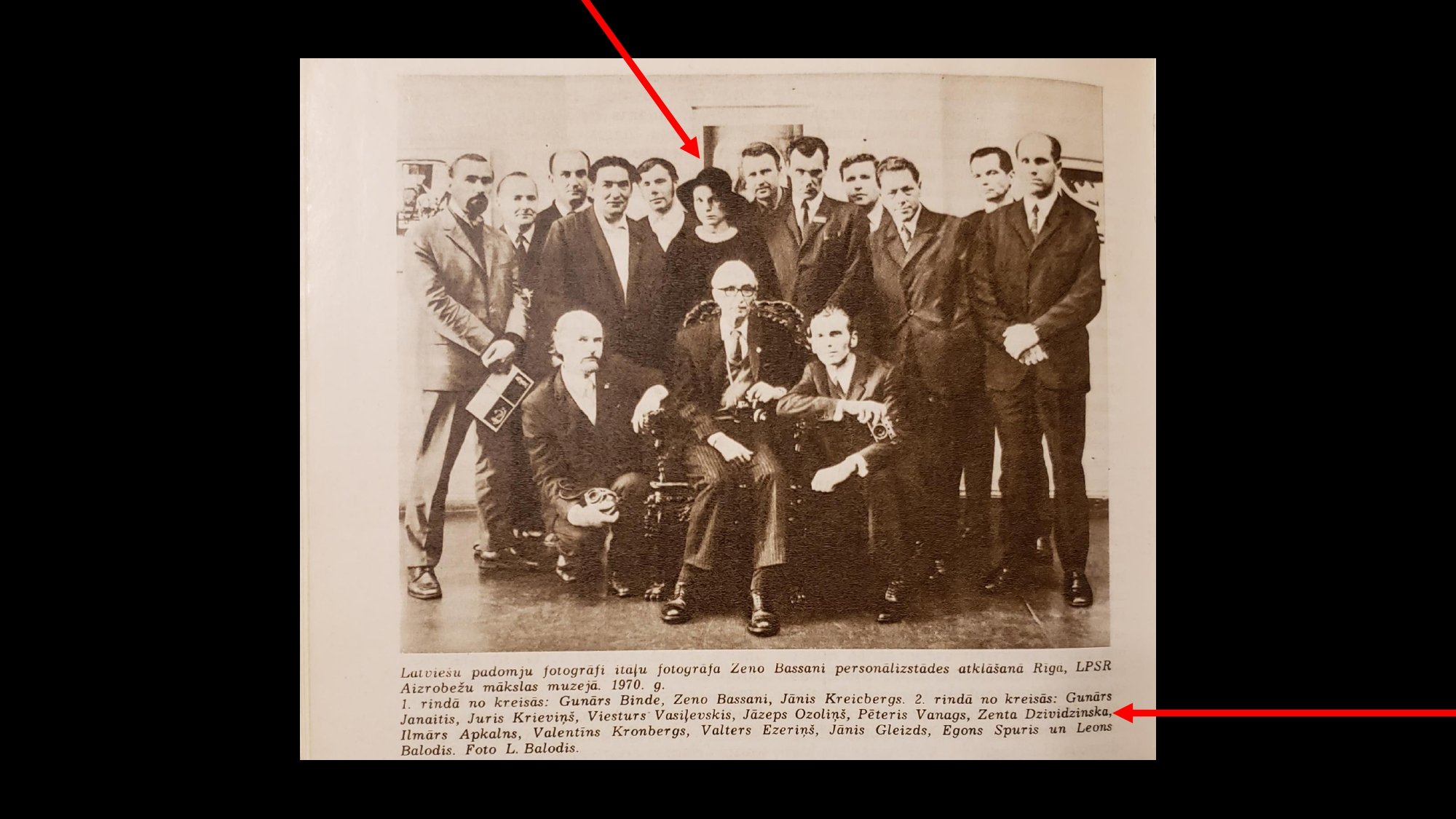
I have based the structure of the chapter on visual analysis of six photographs—portraits and self-portraits of Zenta Dzividzinska from her artistic practice before my birth. Following a brief introduction to the theoretical and methodological framework that informs my reading of these photographs, the narrative unfolds in reverse-chronological order.

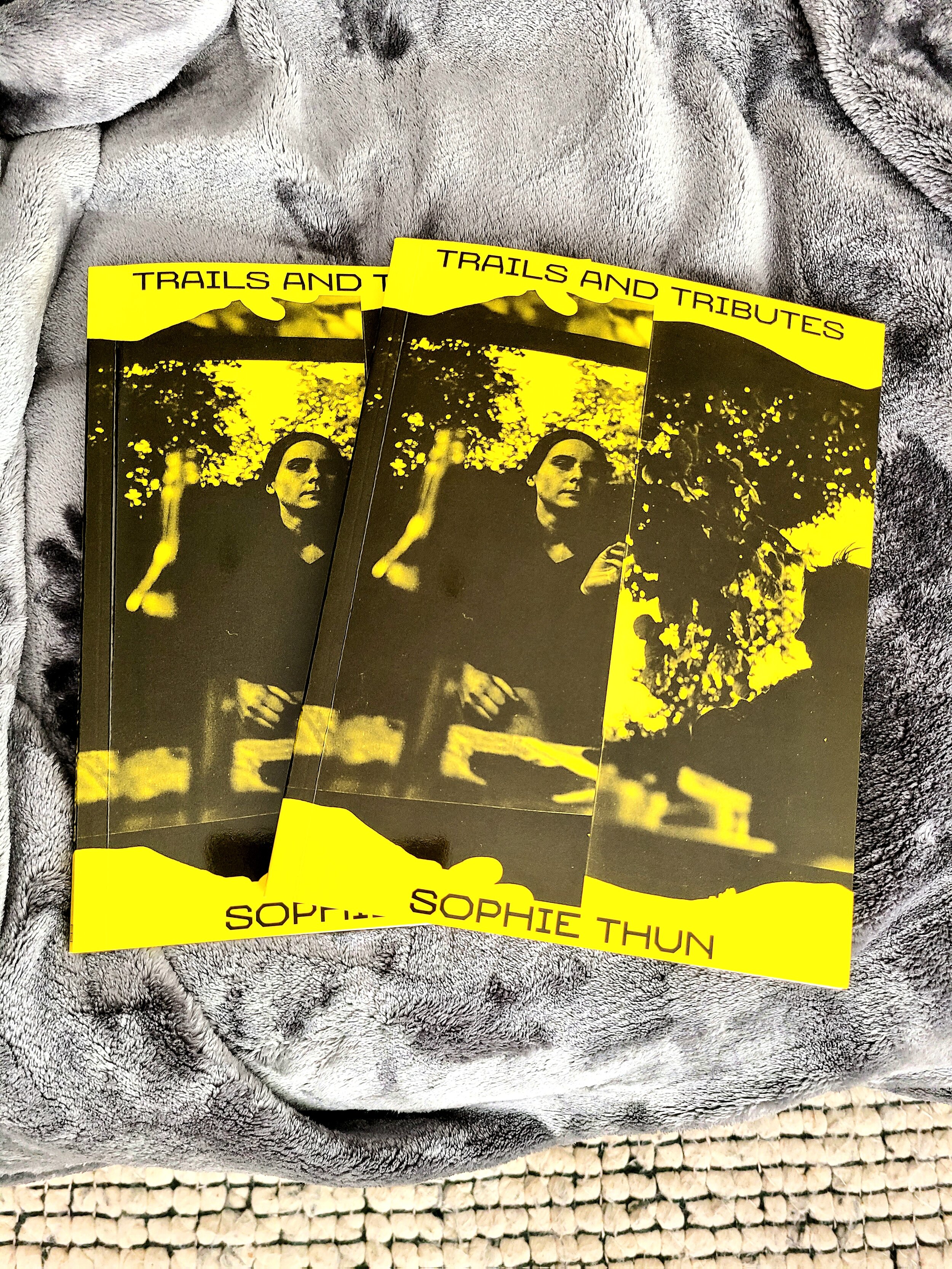
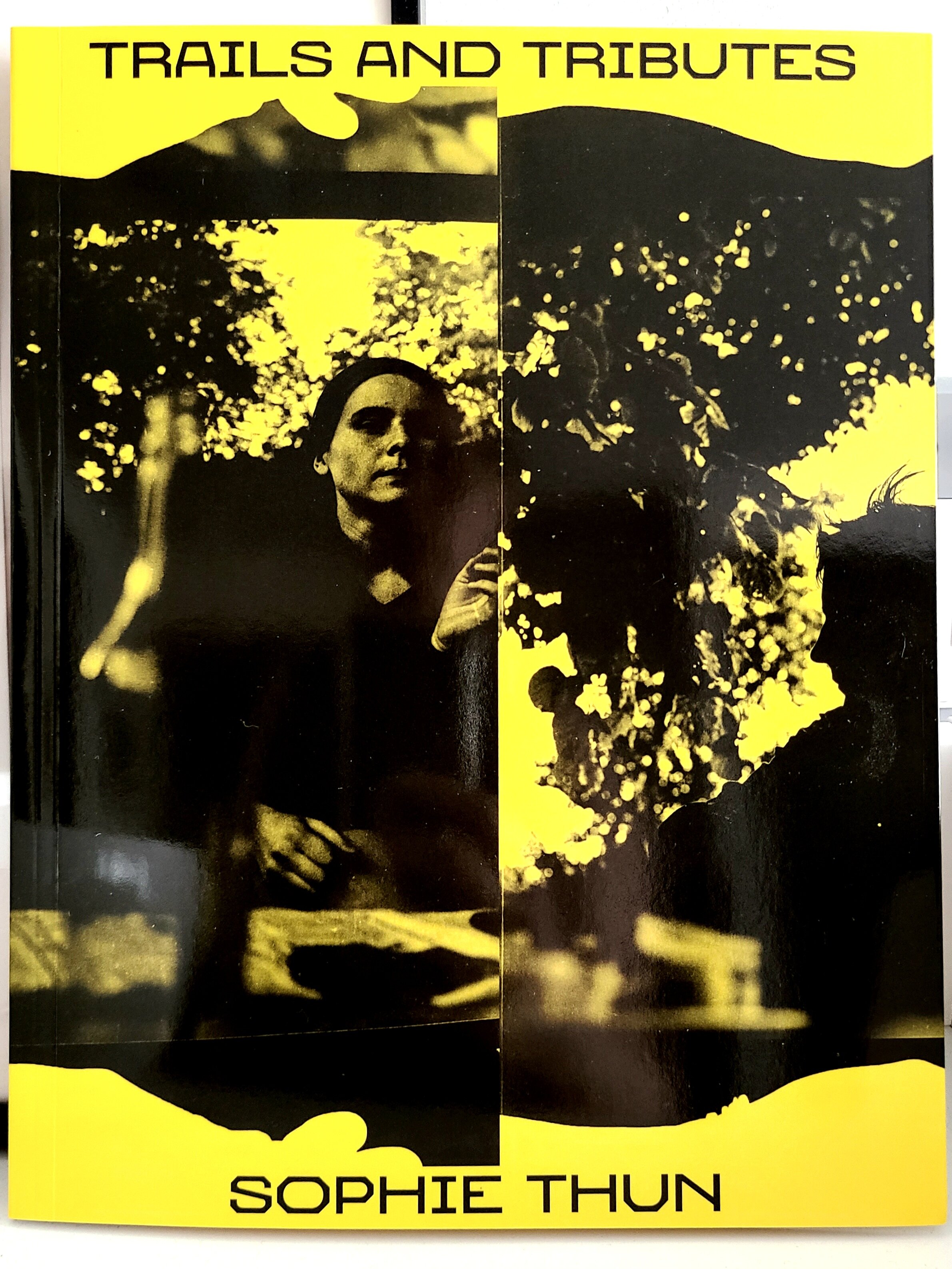
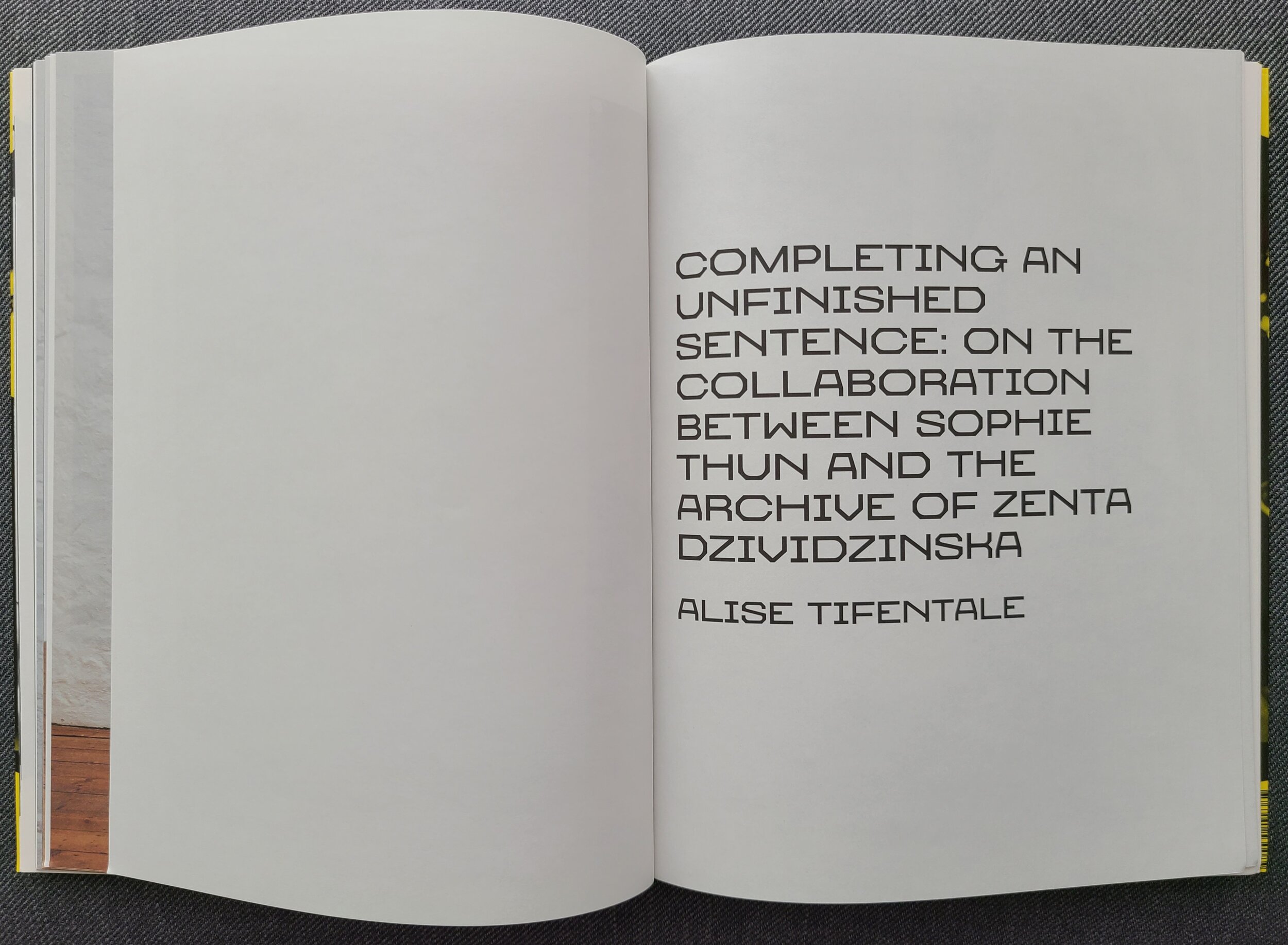
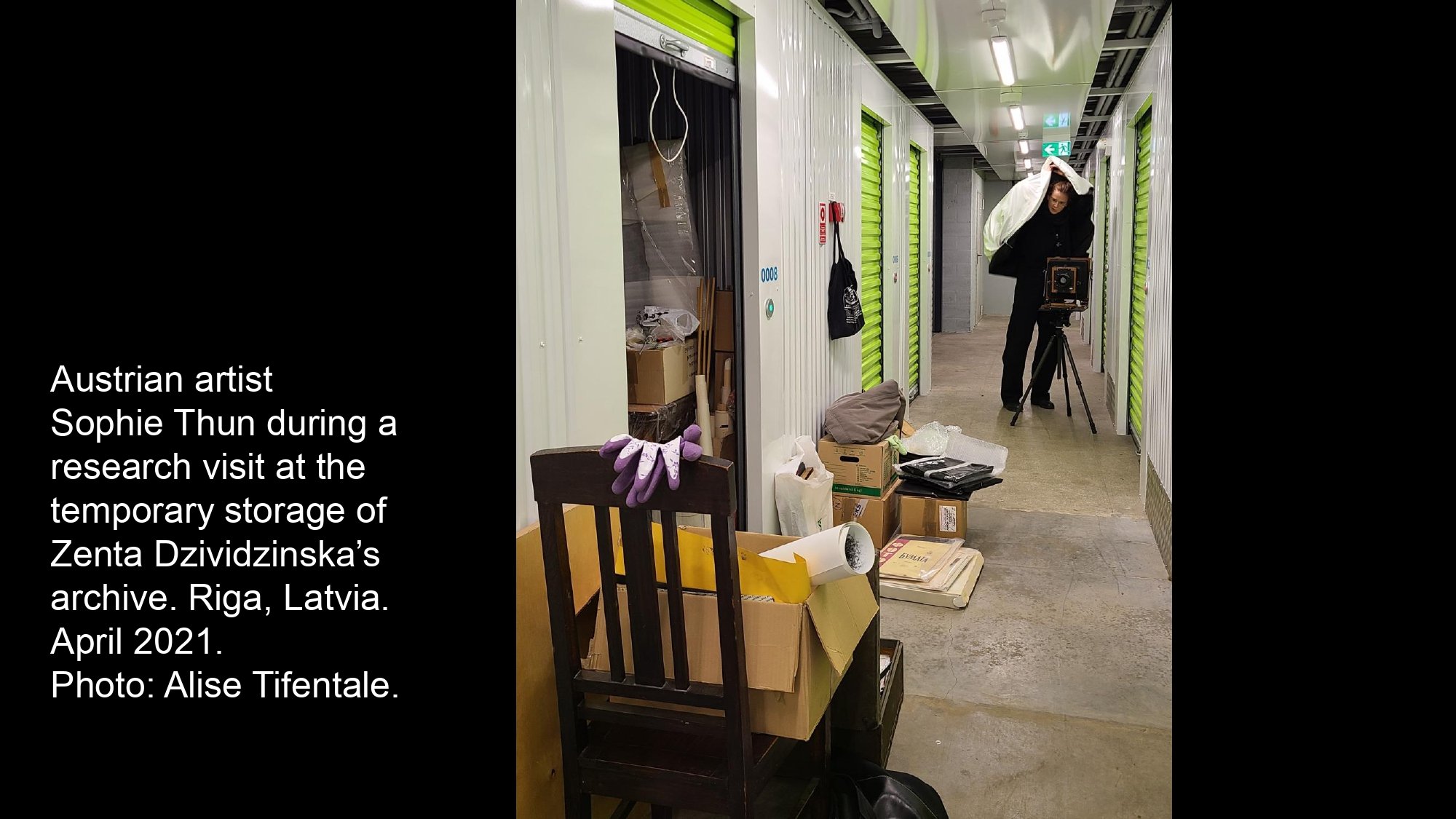
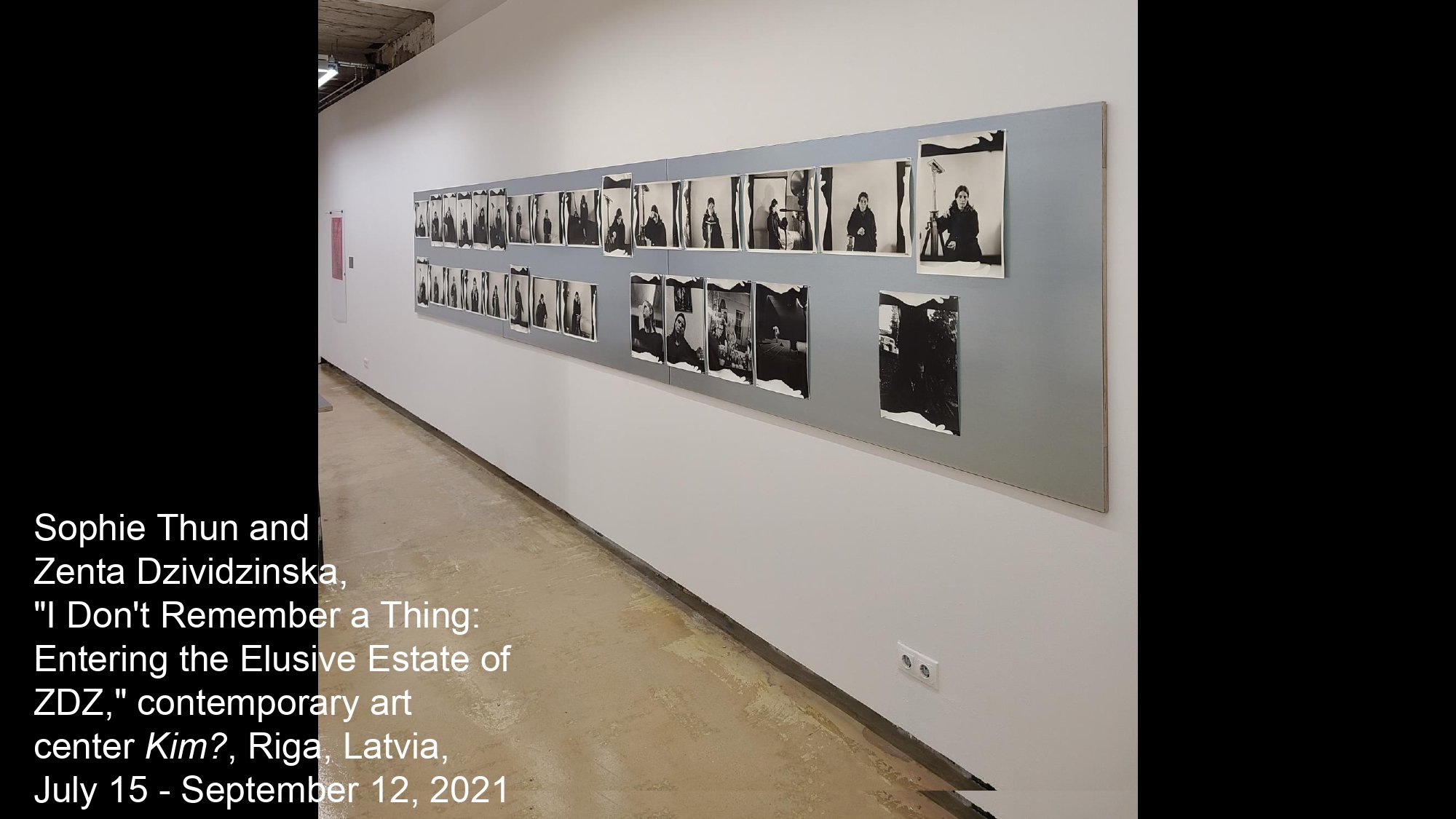
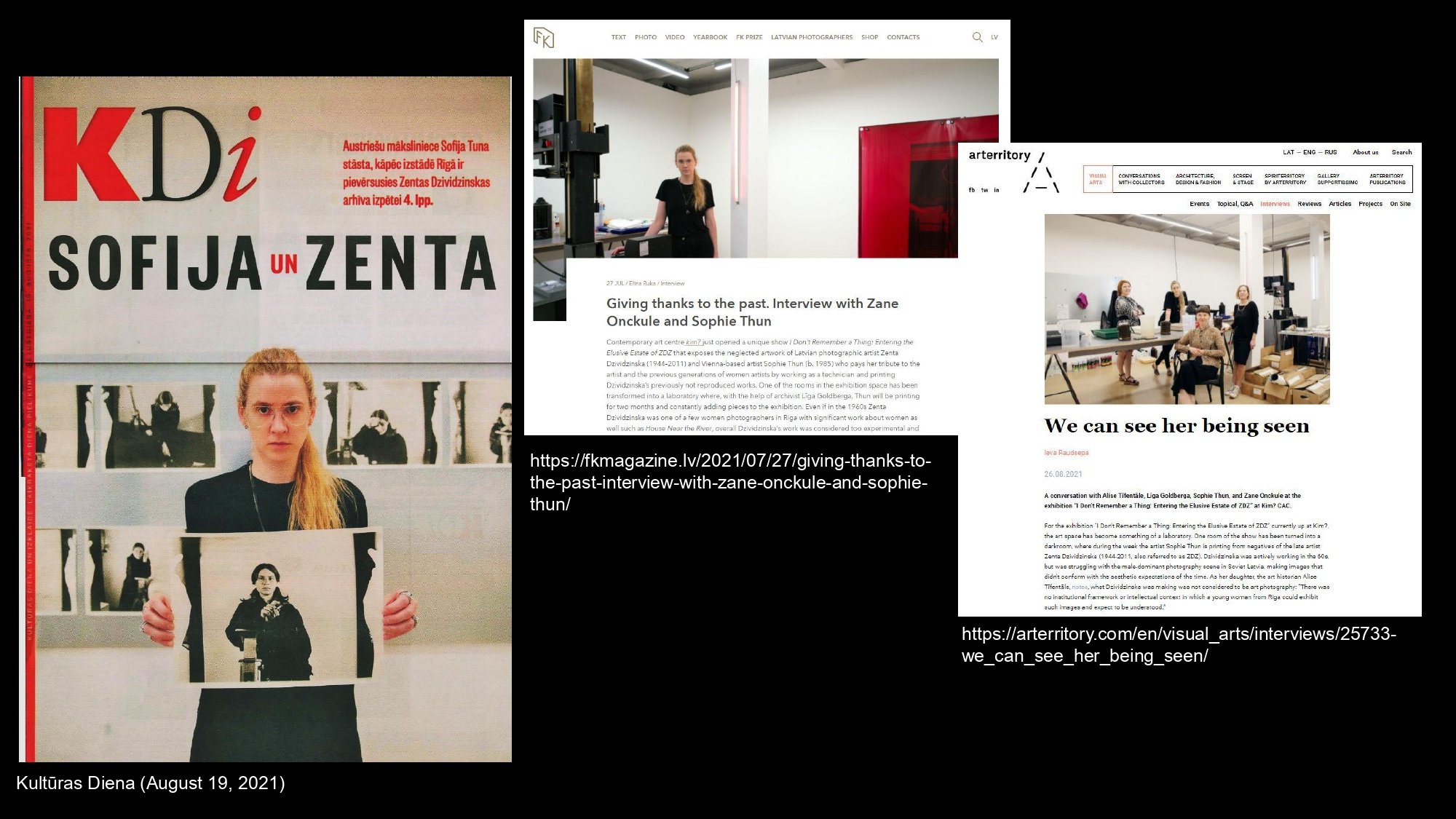
I begin with my last encounter with my mother’s photographic work before it entered the collection of the National Library of Latvia: in 2021 her photographs from the 1960s became part of contemporary artist Sophie Thun’s solo exhibition.

Next, I look back at my first encounter with her entire oeuvre, soon after her passing in 2011.

The following section delves into my fragmentary awareness of my mother’s creative work while volunteering as her studio assistant during the last six years of her life.

In the last part of this chapter, I try to recover my earliest memories of my mother’s photographic work in the 1990s, amidst the cruelest economic crisis that came along with the political liberation of Latvia.

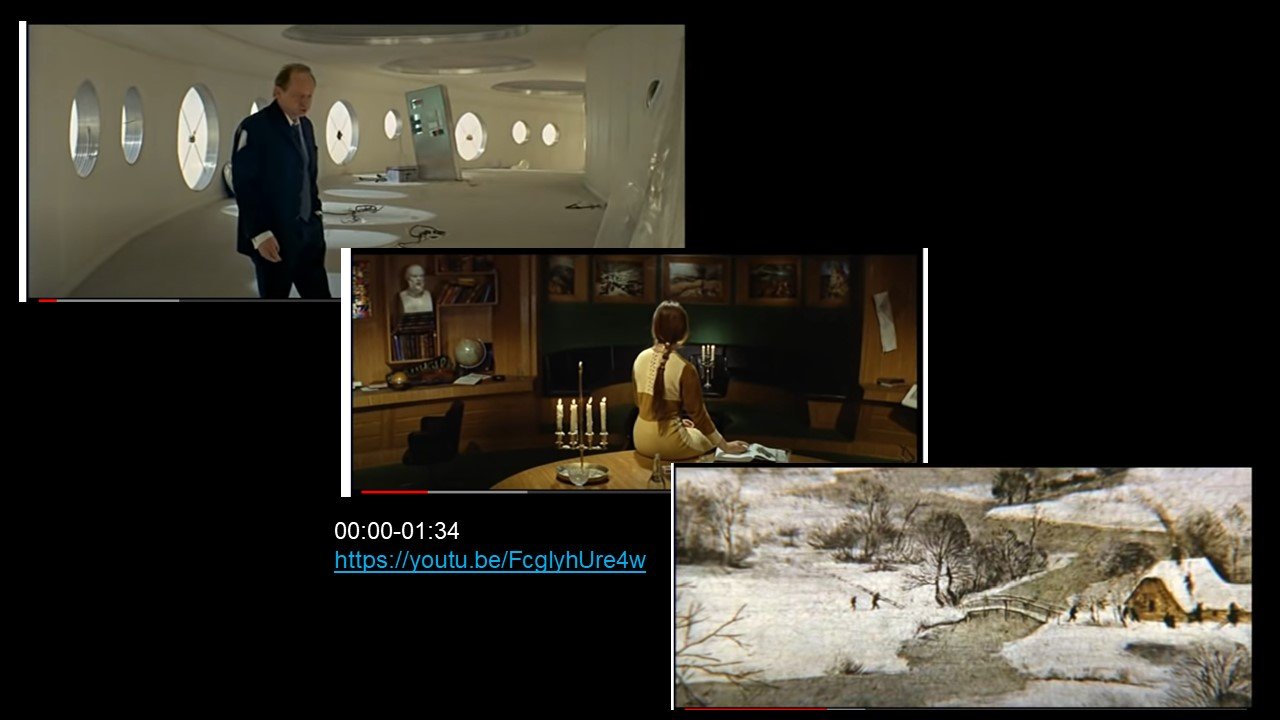
Finally, I conclude the chapter with my attempt to formulate my understanding of the origins of Dzividzinska’s career in photography. My relationship with her photographic legacy evokes the ending scenes of Michelangelo Antonioni’s 1966 film Blow-Up (1966), which we watched together and afterwards discussed multiple times during the last years of her life. I feel that the film for her was a particularly relatable metaphor for her own life, aspirations, and artistic practice.
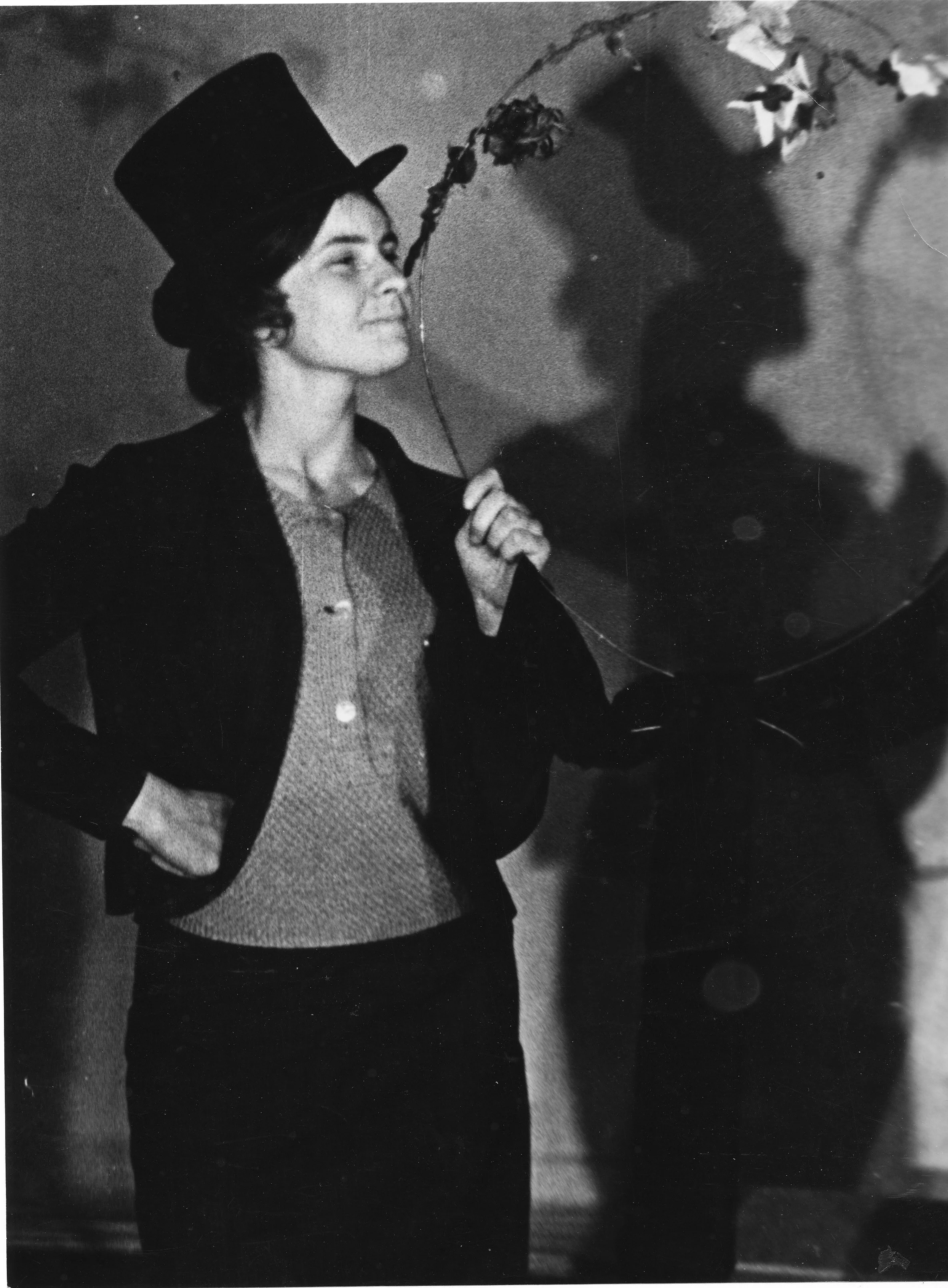
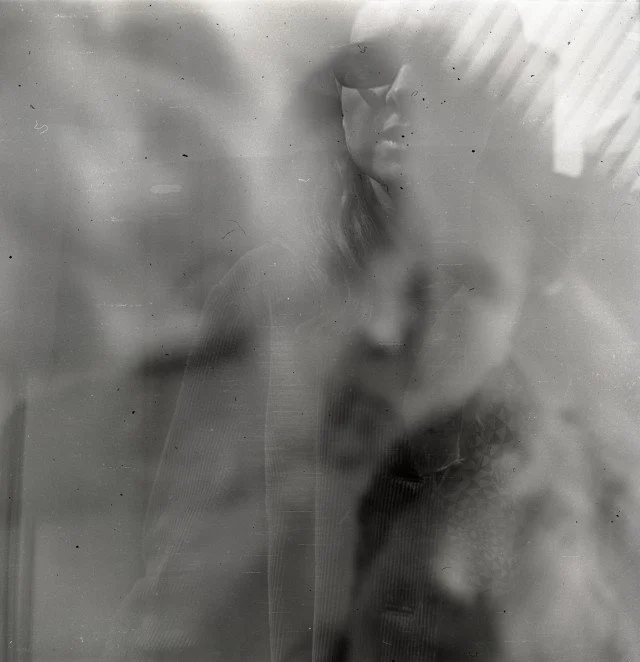
Zenta Dzividzinska. Untitled (Self-portrait). From the series Riga Pantomime, 1964-1966.
Chasing Photographicness: Exploratory Analysis of Zenta Dzividzinska’s Digitized Negatives from the 1960s and 1970s

Alise Tifentale, Anda Baklāne, and Valdis Saulespurēns, “Chasing Photographicness: Exploratory Analysis of Zenta Dzividzinska’s Digitized Negatives from the 1960s and 1970s” [working title]

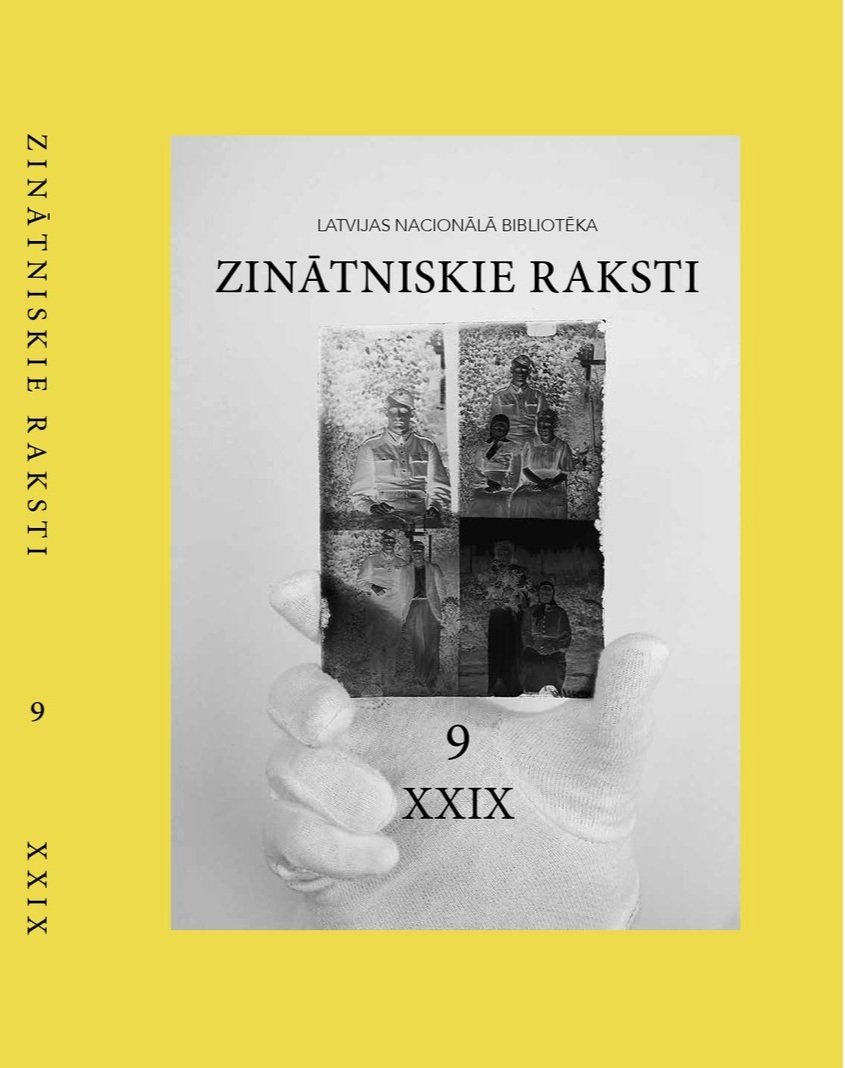
Zenta Dzividzinska. Untitled (digital scan from a 6x6 negative), 1960s. Collection of the National Library of Latvia.


In this article, we discuss our ongoing research on the archive of Latvian artist and photographer Zenta Dzividzinska (1944-2011), acquired by the National Library of Latvia in 2021. Dzividzinska’s archive, primarily comprising her negatives made in the 1960s and 1970s, differs from most other institutional photo collections that consist of prints, and poses specific research challenges.

A relatively small selection of Dzividzinska’s photographs from these two decades is housed in art museums, and curators have circulated them within various discursive systems, such as nonconformist art, humanist photography, feminist art, and queer and gender studies, among others.

However, Dzividzinska’s photographic legacy has not yet been fully examined in its entirety, mostly because the majority of her photographs have survived only in the format of negatives that have never been printed and exhibited.

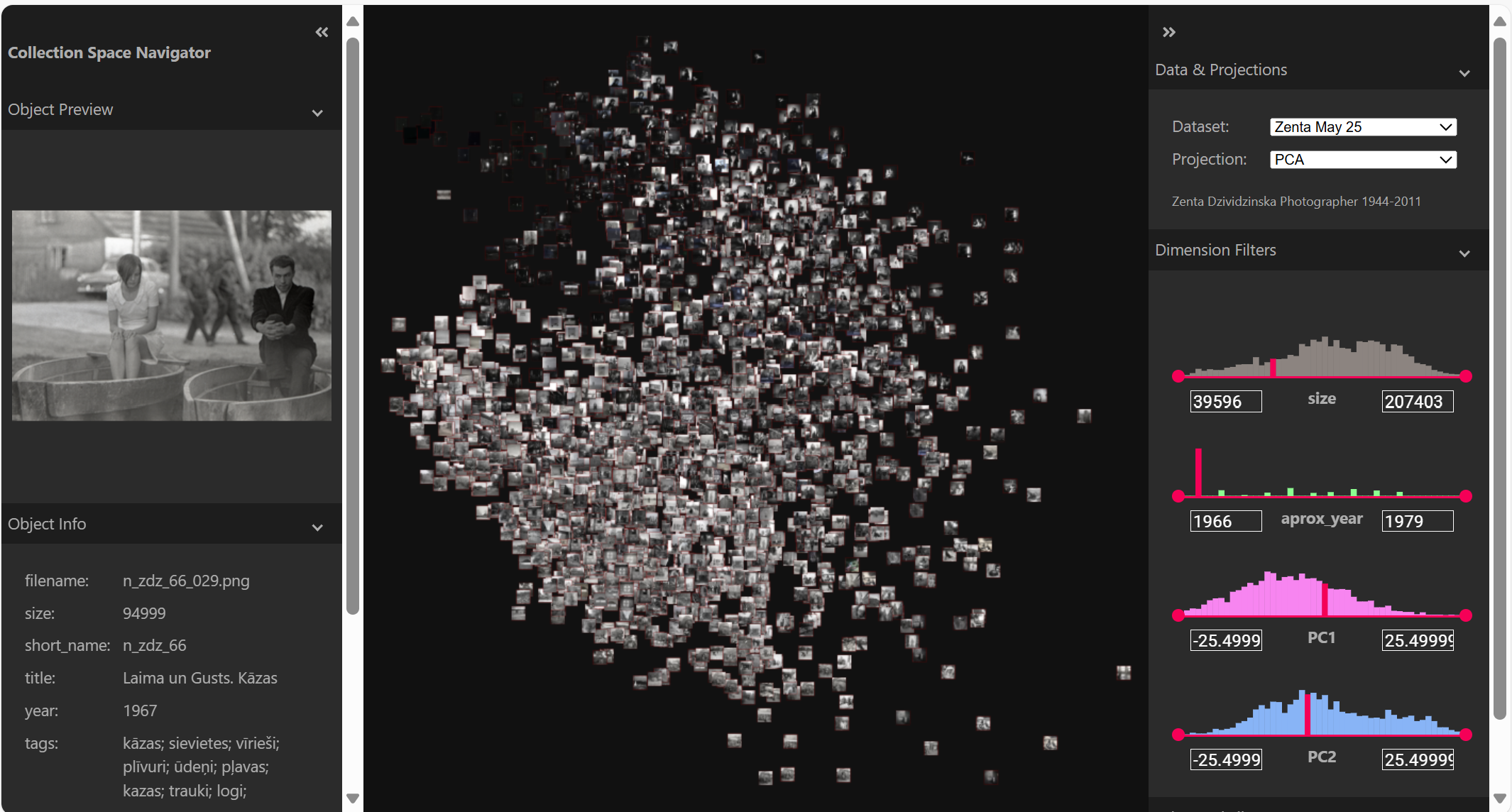
We applied machine learning and computer vision methods, working with a dataset of more than six thousand digitized frames from this collection of previously unexamined negatives.

We investigated the usefulness of object recognition techniques, explored the potential of mapping the artist’s signature style based on an inquiry into the photo-technical parameters of the negatives, and experimented with automated classification and grouping of individual frames based on freeform natural language descriptions.

While discussing our research, we also address broader questions about digital curation and the materiality of pre-digital photo collections. Based on our findings, we chart the potential as well as limitations of what we can find out through digitizing an individual photographer’s collection of negatives and applying digital humanities methods.

Navigating Pictorial Photography and Photographic Art: How Photo Clubs Built a Global Art World

Alise Tifentale, “Navigating Pictorial Photography and Photographic Art: How Photo Clubs Built a Global Art World;” “Foto Cine Clube Bandeirante (FCCB),” and “Annemarie Heinrich.”

Essays commissioned by Dr. Charmaine Toh, the Senior Curator of International Art (Photography) at Tate, for the catalogue to accompany a major exhibition on the history of global Pictorialism at the Tate Modern. Curated by Dr. Toh, the exhibition, titled "Light and Magic. The Birth of Art Photography," is scheduled to open in October 2026. 

Photo: Janis Kreicbergs.
Atlas as Method: Discovering Zenta Dzividzinska’s Photographic World-Making

Alise Tifentale, “Atlas as Method: Discovering Zenta Dzividzinska’s Photographic World-Making” [working title], in Agents of Mediation: Perspectives on New Media and Lens-Based Practices in Eastern Europe Since 1968, edited by Pauline Herrmann, Rebecka Öhrström Kann, Jess Young, Madeleine Dale, and Jordan Tan. Forthcoming. To be published by Routledge.
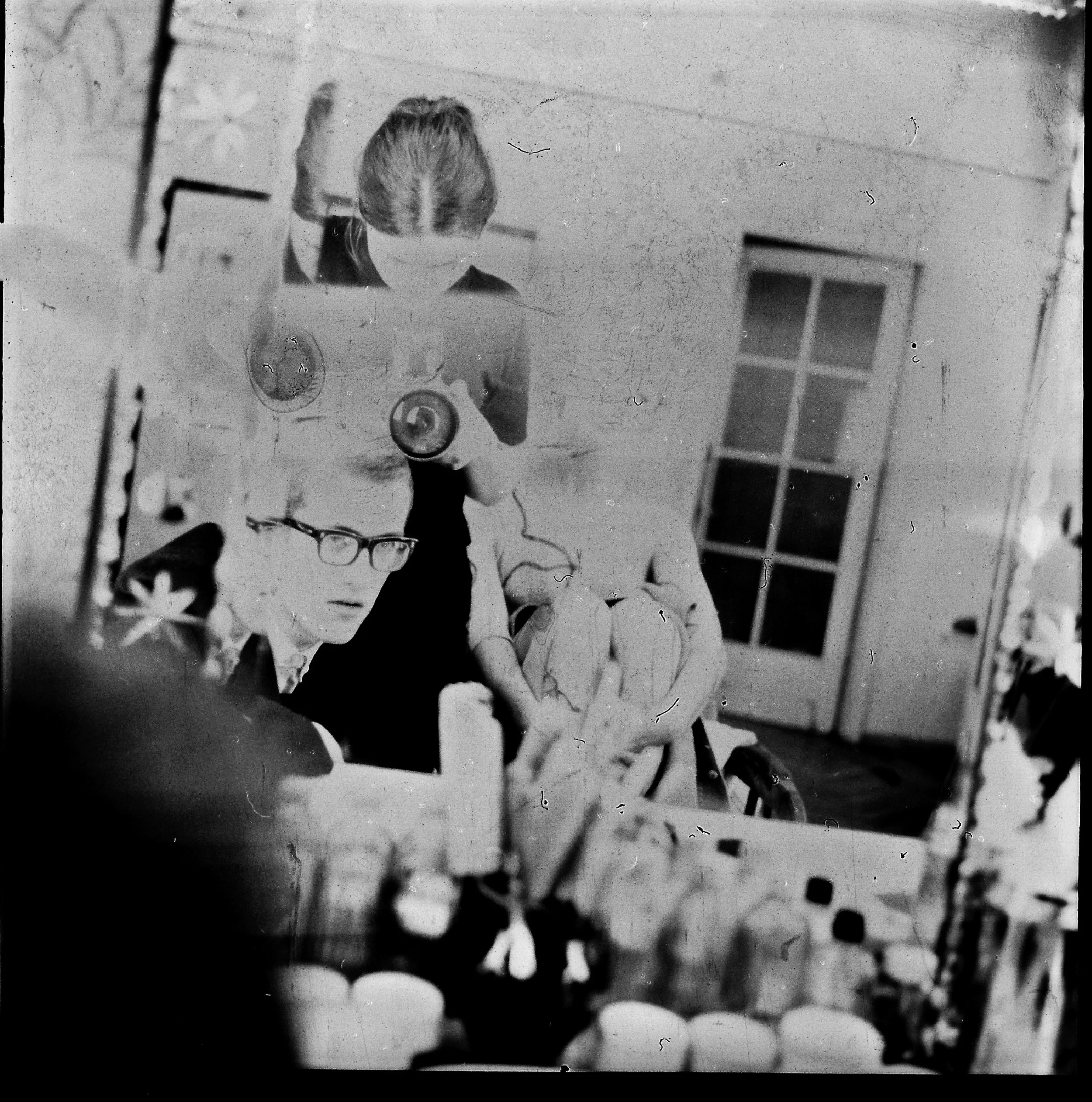
Zenta Dzividzinska. Untitled (self-portrait in mirror), 1967. Courtesy Art Days Archive

Abstract of my chapter:

Latvian artist Zenta Dzividzinska (1944–2011) in her lifelong photographic practice created an atlas of her world spanning her early twenties to her final months. Drawing on Aby Warburg's concept of the atlas as a tool for nonlinear visual thinking, I posit that photography for Dzividzinska served as a means of constructing, understanding, and recording her world through a profoundly personal practice, largely independent of external validation. During her lifetime, no one except herself saw most of her photographic work which remained in the format of negatives and contact prints. Nevertheless, several of her photographs have been exhibited or reproduced as art at various times. This chapter traces the selective visibility of Dzividzinska’s photographs and their changing public functions at three historical moments: the 1960s under Soviet rule, the post-independence 1990s, and the globally connected 2020s. At each of these historical moments, institutions, curators, critics, historians, or peers have placed her images in various discursive categories such as ‘salon’, ‘fine art’, ‘documentary’, ‘nonconformist,’ or ‘humanist’ photography. But how do we see beyond the seductive surface of individual photographs to grasp their collective work as agents of world-making and -mapping? By reconciling Dzividzinska’s private self-discovery with increasingly public circulation of her images, this chapter interrogates the fluidity of meaning, authorship, and agency.

Book description from the editorial team:

This edited volume offers critical insights into the agency of lens-based and digital images across the diverse historical and political landscapes of Central and Eastern Europe from 1968 onward. Examining the region’s shared and heterogeneous histories of socialism, as well as the varied expansions of Western neoliberal capitalism after 1989, it explores these works as a means of fostering communication, disruption, and individual expressions of agency. From Yugoslav filmmaker Želimir Žilnik’s Gastarbeiter documentaries, to the early developments of Bulgarian contemporary art, and self-representation in East Germany’s final decade, the book examines critical interventions through the image in the mediums of film, video, photography and new media. Situating these practices as conduits for ideas, encounters, and pursuits of solidarity in the region and beyond, the book offers insights into the ways these practices have reimagined representation, subverted power structures, and generated vital networks of knowledge. In our increasingly image-mediated world, they speak to the power of images as agents of change in their potential to disrupt, communicate, and form critical connections.

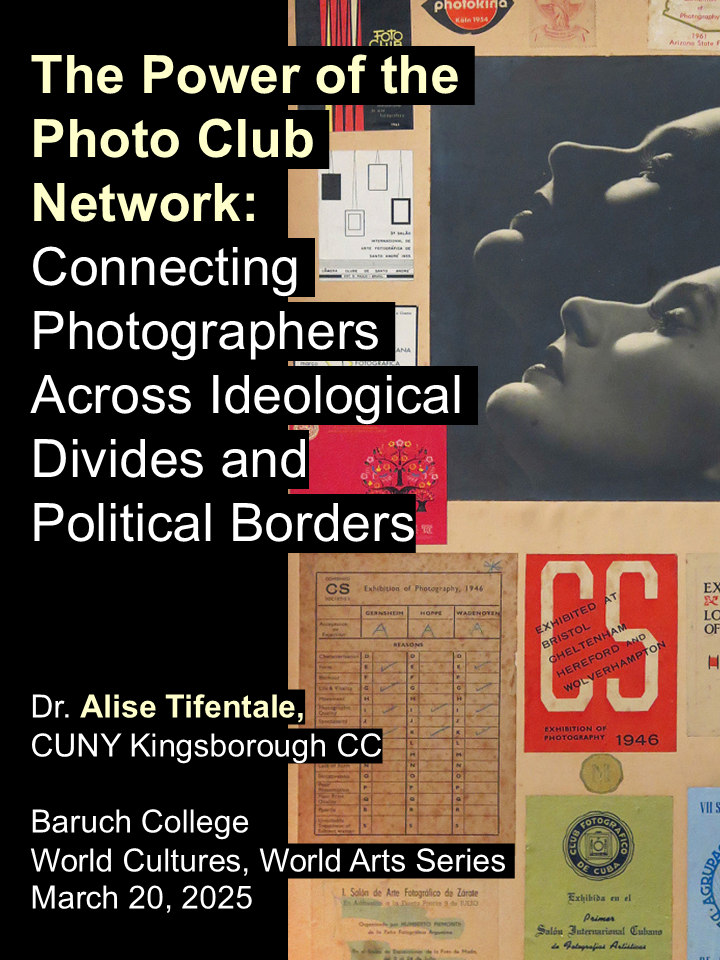
The Power of the Photo Club Network: Connecting Photographers Across Ideological Divides and Political Borders (Baruch College, Global Student Certificate program, 2025)

“The Power of the Photo Club Network: Connecting Photographers Across Ideological Divides and Political Borders,” an invited talk at the Baruch College, Global Student Certificate program, part of the "World Cultures, World Arts Series"

Thursday, March 20, 2025, at 1pm

More details about the event: https://blogs.baruch.cuny.edu/globalstudentcertificate/world-cultures-world-arts-series-2024-2025/

Thank you to Sarah Demetz and Vanessa Troiano for organizing this fabulous series and inviting me to present my work to the Global Student Certificate program students.

Abstract:

Through the exhibition history of one print, this talk examines the power of the photo club network—a global system of self-curated, self-financed, and self-edited publications, exhibitions, and competitions that connected photographers across ideological divides and political borders throughout the twentieth century.

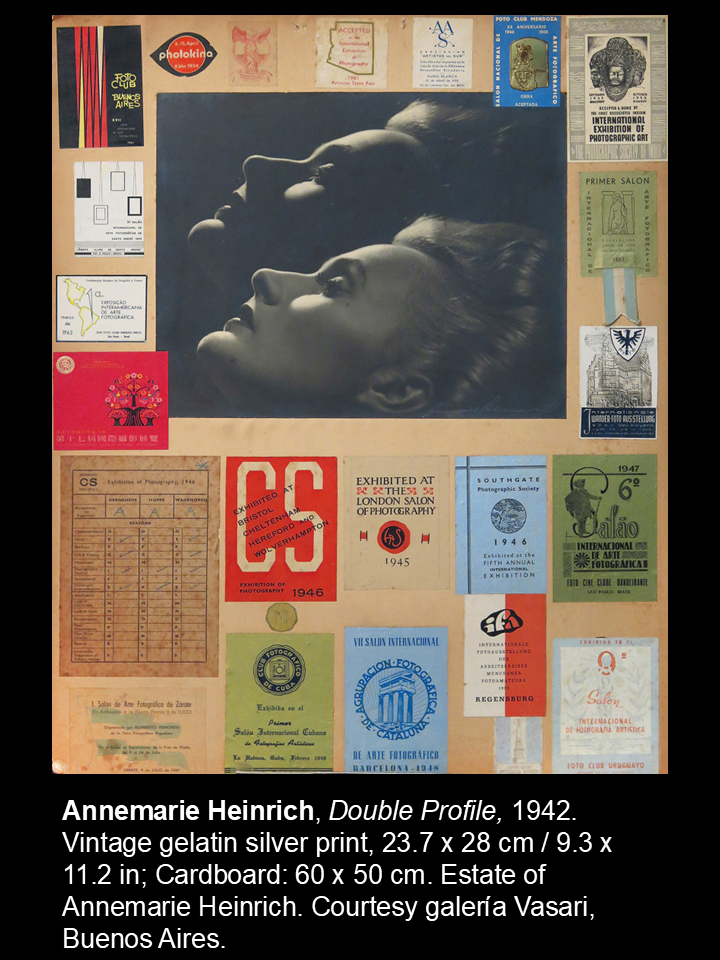
Double Profile (1942) by German-Argentine photographer Annemarie Heinrich (1912–2005) is an example of her signature style, which involved the motif of the double and the technique of combination printing—a creative method that she developed in her work for illustrated magazines in the 1940s.

Heinrich was an accomplished portrait, theater, and cinema photographer whose portraits of glamorous celebrities regularly appeared on the covers of Argentina’s major illustrated magazines. In addition to her successful professional career, Heinrich was also a dedicated participant in photo club culture. Her dedication is embodied in a unique collage that documents the global travels of Double Profile during the 1940s and 1950s through international photo club exhibitions in Latin America, the USA, Europe, and Asia.

In conversation with a forthcoming major exhibition “Global Pictorialism” at Tate Modern in London (2026), this talk highlights the legacy of the photo club network.

Isohelia and Staged Photos are in Style Again

Alise Tifentale, “Izohēlija un inscenējums beidzot atkal modē” [Isohelia and Staged Photos are in Style Again] (exhibition review). FK Magazine, January 17, 2025.

Read the article (currently in Latvian only) on the FK Magazine website: https://fotokvartals.lv/2025/01/17/izohelija-un-inscenejums-beidzot-atkal-mode/

Or download the article PDF here.


This article is a review of these two major photo exhibitions that I saw during my research visit to Riga, Latvia, at the end of 2024:

1. Exhibition “Gleizds, Paper, Scissors” at the Pauls Stradiņš Medicine History Museum, on view from November 22, 2024, through March 30, 2025.

Find out more about the exhibition on the museum’s website: https://mvm.lv/en/what-s-on/exhibitions/gleizds-paper-scissors/19

and 2. Exhibition “Binde 100–10” at the Latvian National Museum of Art, on view from September 21, 2024, through January 19, 2025.

Find out more about the exhibition on the museum’s website: https://lnmm.gov.lv/en/latvian-national-museum-of-art/exhibitions/binde-10010-519

How a Photographer Became an Artist: The Development of the Artistic Style of Gunārs Binde in the Cultural Context of the 1960s

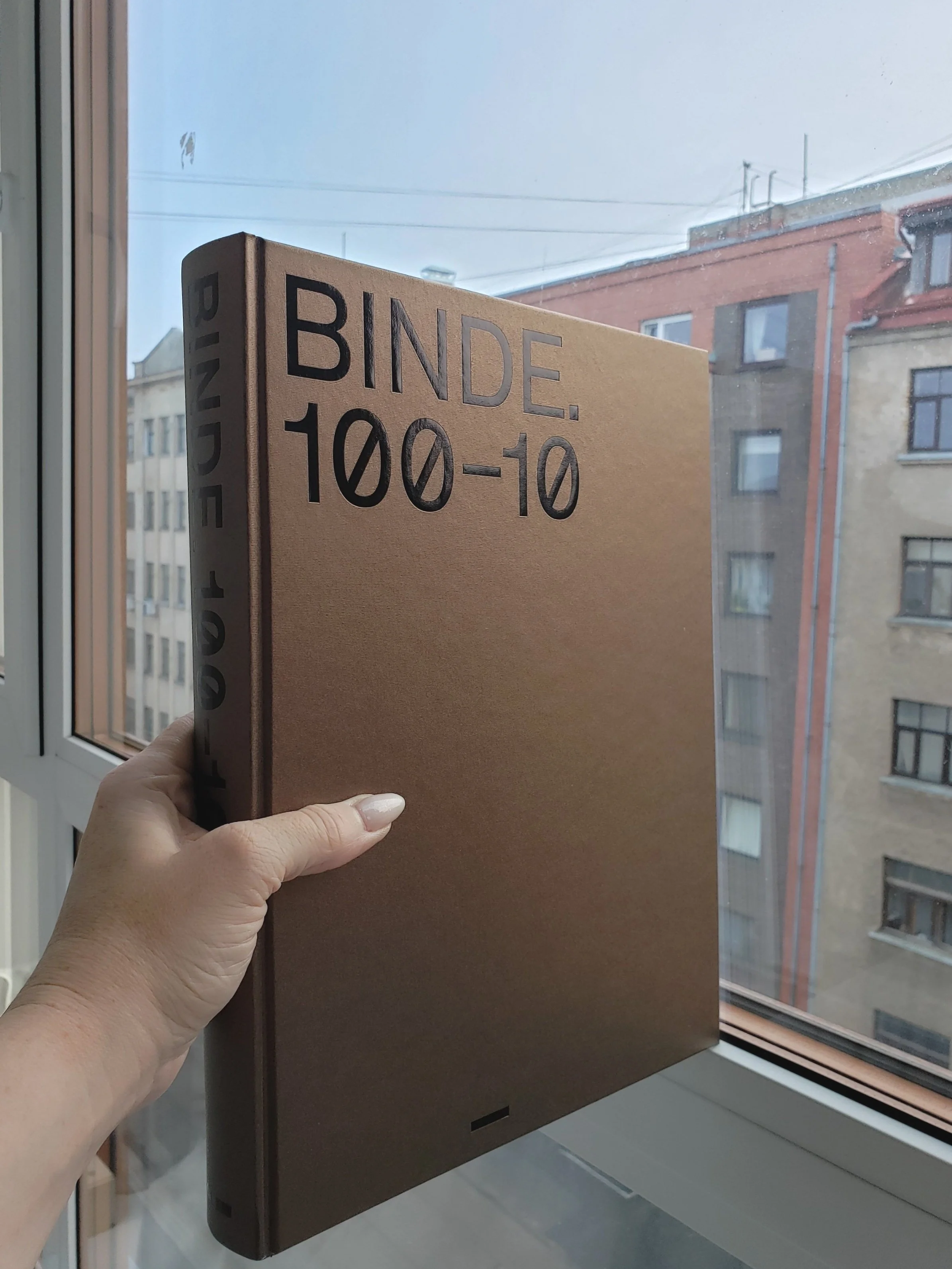
Alise Tifentale, “How a Photographer Became an Artist: The Development of the Artistic Style of Gunārs Binde in the Cultural Context of the 1960s,” 27-41. In: Binde. 100-10, edited by Anna Binde, Alexey Murashko, and Elīza Ramza (Riga: Gunārs Binde Foundation, 2024).

Download my chapter as a PDF here!

Abstract:

This chapter aims to outline the cultural and institutional context that helped shape Gunārs Binde’s creative style during the early phase of his work in the 1960s, the first decade following the Second World War in which the scene of fine-art photography could become revitalized and flourish in Soviet Latvia. During the Khrushchev’s Thaw, there arose new opportunities and favorable conditions, fostering the creation of exhibitions and publications as well as facilitating the exchange of ideas with congenial people abroad. In the early 1960s, Binde rapidly gained recognition both in the Soviet Union and on the international stage for his works Psychological Portrait (1962) and Wall (1964), his dramatic 1965 work Portrait (Eduards Smiļģis), as well as for several nudes he made at the time, and for pioneering a dynamic editing technique that utilized monochrome photo stills in the domain of documentary film. In creative collaboration with the artist and scenographer Arnolds Plaudis (1927-2008), Binde devised an original method of creating staged photos, a technique that has no direct analogues in 1960s fine-art photography anywhere in the world. The method synthesizes elements of theater, acting, and the aesthetics of cinematic framing in order to realize the artist’s creative intentions in photography. Visually, one can draw distant parallels to the framing employed in Italian neorealist film (Neorealismo) and the French New Wave (La nouvelle vague). From the very outset, Binde distinguished himself among his contemporaries with his programmatic and relentlessly idealistic attitude toward photography and his concept of the “artful image”, which is an image that seeks to convey a philosophical or symbolic meaning intended by the author and which is to be distinguished from those photographic images that merely document the fact of visible reality. Although Binde’s “artful image” has assumed many forms throughout the years, this concept has had a significant influence on the development of Latvian photo art.

However, as we delve into the works of preeminent artists, we occasionally overlook the unseen networks of institutions and contemporaries that, at the time, served both to directly inspire these works as well as ensure their subsequent public life by way of exhibitions, publications, and discussions. An example of the elements making up such a network can be found in the Rīga photo club, which was established in 1962 and provided the organizational base for the development of photo art in 1960s Latvia. It is important to discuss this cultural context, as even presently there persists a prejudice against the history of photo clubs in the Latvian art scene, associating them with the photo amateur movement and the ideologized model of “amateur art activities” orchestrated by the Soviet authorities. Consequently, this chapter invites examining the historical situation in 1960s Latvia without the prejudices about the Soviet era that emerged in the 1990s. Such a historical interpretation can differ from the way both Gunārs Binde himself and his contemporaries recall this decade. Nonetheless, my interpretation does not seek to rival the memories of direct witnesses but instead aspires to expand the readers’ perspective and provide a theoretical insight into the circumstances under which photo art was able to exist and develop both locally and internationally over this decade.

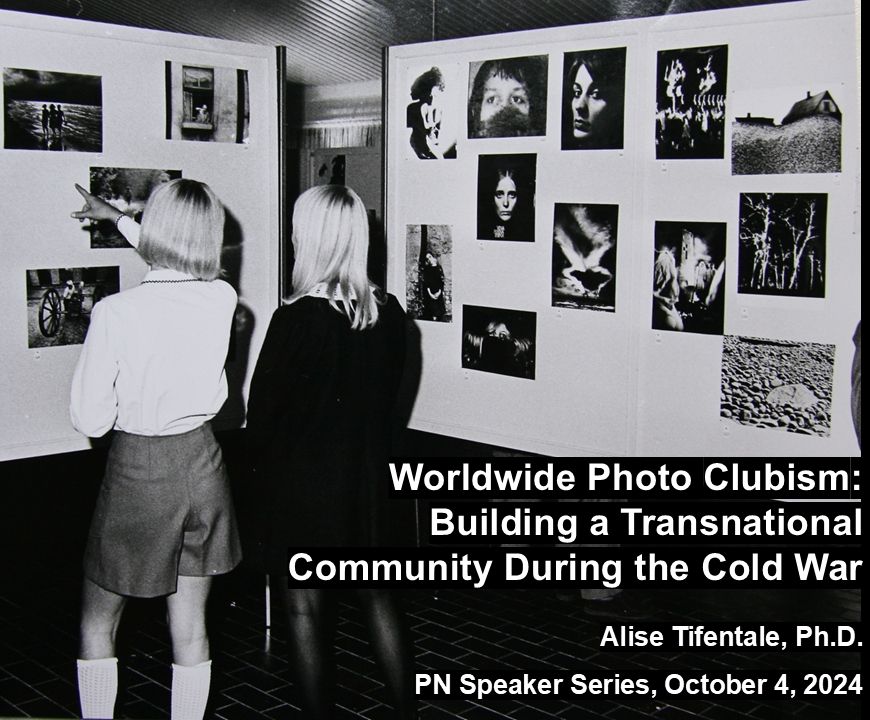
Worldwide Photo Clubism: Building a Transnational Community During the Cold War (Photography Network Speaker Series, 2024)

“Worldwide Photo Clubism: Building a Transnational Community During the Cold War,” an invited talk in the Photography Network Speaker Series

Friday, October 4, 2024 at 9am PST • 12 Noon EST • 5pm BST (online)

Find more details about the event here: https://www.photographynetwork.net/news/worldwide-photo-clubism

Abstract

Worldwide Photo Clubism: Building a Transnational Community During the Cold War

Alise Tifentale

This talk examines photography’s community-building potential in a divided world. In July 1963, Taiwan-based photographer Chin-San Long (Lang Jingshan, 1892–1995) opened his solo exhibition in São Paulo, Brazil, organized by the city’s most well-known photo club Foto Cine Clube Bandeirante. In November 1965, the jury of 29th International Salon of Photographic Art in Buenos Aires, Argentina, awarded its main prize to Gunārs Binde (b. 1933) from the Riga Photo Club in Latvia, then one of the fifteen republics of the Soviet Union.

Both events had a long-term impact on the photographers’ careers and subsequent local and regional developments.

But beyond that, both events hint at the scope of the invisible photo club network—a global system of self-curated, self-financed, and self-edited publications, exhibitions, and competitions that connected photographers across ideological divides and political borders during the Cold War era.

Long before the Internet, photographers had established an independent and inclusive (using today’s terminology) network for non-profit image circulation and cultural exchange. The self-governed photo club network created a transnational community, welcoming participants from what was then labeled as the “first,” “second,” and “third” worlds. At the time, belonging to such a community was particularly empowering for photographers across Latin America, the post-Stalinist Soviet Union, and the rapidly decolonizing regions of Asia.

In dialogue with recent publications such as Cold War Camera (2023) and Collaboration. A Potential History of Photography (2023) and museum presentations such as “Fotoclubismo: Brazilian Modernist Photography, 1946–1964” at the Museum of Modern Art in New York (2021), this talk highlights the legacy of photo club network that changed the landscape and power dynamics in the field of photography on a truly global scale.

Please note that the talk is open to all Photography Network (PN) members. If you’re professionally interested in any aspect of photography scholarship, please consider PN membership—the organization generously offers multiple ways to join, including free memberships. Find out more about this wonderful organization and check out membership options on the PN website: https://www.photographynetwork.net/

A page from the catalog of the 22nd Singapore International Salon of Photography 1971 (Singapore: The Photographic Society of Singapore, 1971).

Book review: Katrīna Teivāne, "Roberts Johansons. Zeitgeist and Photography"

Alise Tifentale, “The Long Road Up Against the Stream” (Tālais ceļš augšup pret straumi). [Book review of: Katrīna Teivāne. Roberts Johansons. Zeitgeist and Photography (Roberts Johansons. Laikmets un fotogrāfija) Riga: Neputns, 2022.]

Book review published in: Art History and Theory (Mākslas vēsture un teorija) 27 (2023): 87-89.

Download the book review PDF here (Latvian only)!

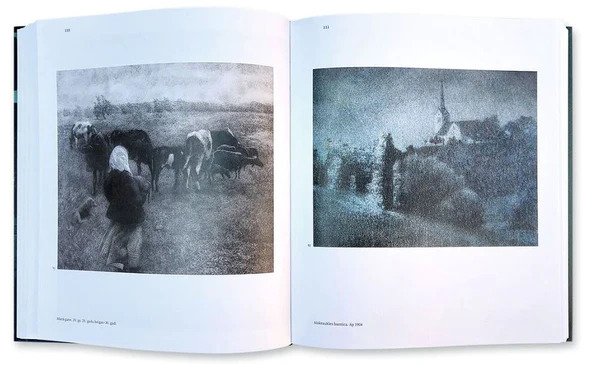
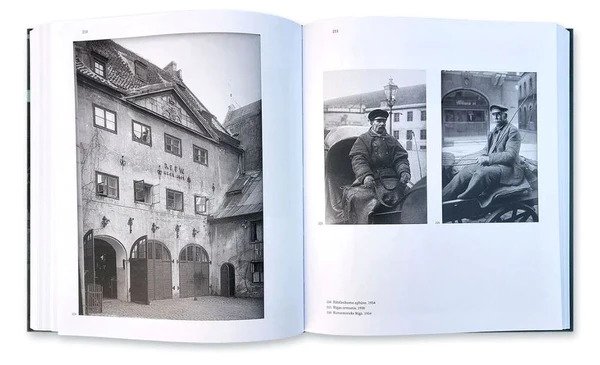
I was thrilled to have the opportunity to review the latest book by my dear friend Katrīna Teivāne, titled Roberts Johansons. Zeitgeist and Photography (Roberts Johansons. Laikmets un fotogrāfija) (Riga: Neputns, 2022). It is an extremely well-researched and elegantly written monograph about one of the most important photographers in Latvia, Roberts Johansons (1877-1959).

The book is available at the publisher’s website, https://www.neputns.lv/products/laikmets-un-fotografija-roberts-johansons, as well as in the ISSP online store https://shop.issp.lv/products/roberts-johansons-age-and-photography

Short description of the book from the ISSP website:

Roberts Johansons in Katrīna Teivāne's research reveals as one of the most visible Latvian photographers, whose most active period of activity refers to the period from the 20th century until the beginning of the Second World War. Johansons was a member of the Latvian Photographic Society and later also of the Photographic Society, having spent most of his professional life as a salon photographer. In parallel with his daily work, he devoted himself to the creation of artistic images and meticulous documentation of the Latvian environment.

(ISSP website)

The review was commissioned by the main art history journal in Latvia, Mākslas Vēsture un Teorija, and is published in the journal’s vol. 27 (2023).

Find out more about the journal Mākslas Vēsture un Teorija, vol. 27 (2023).

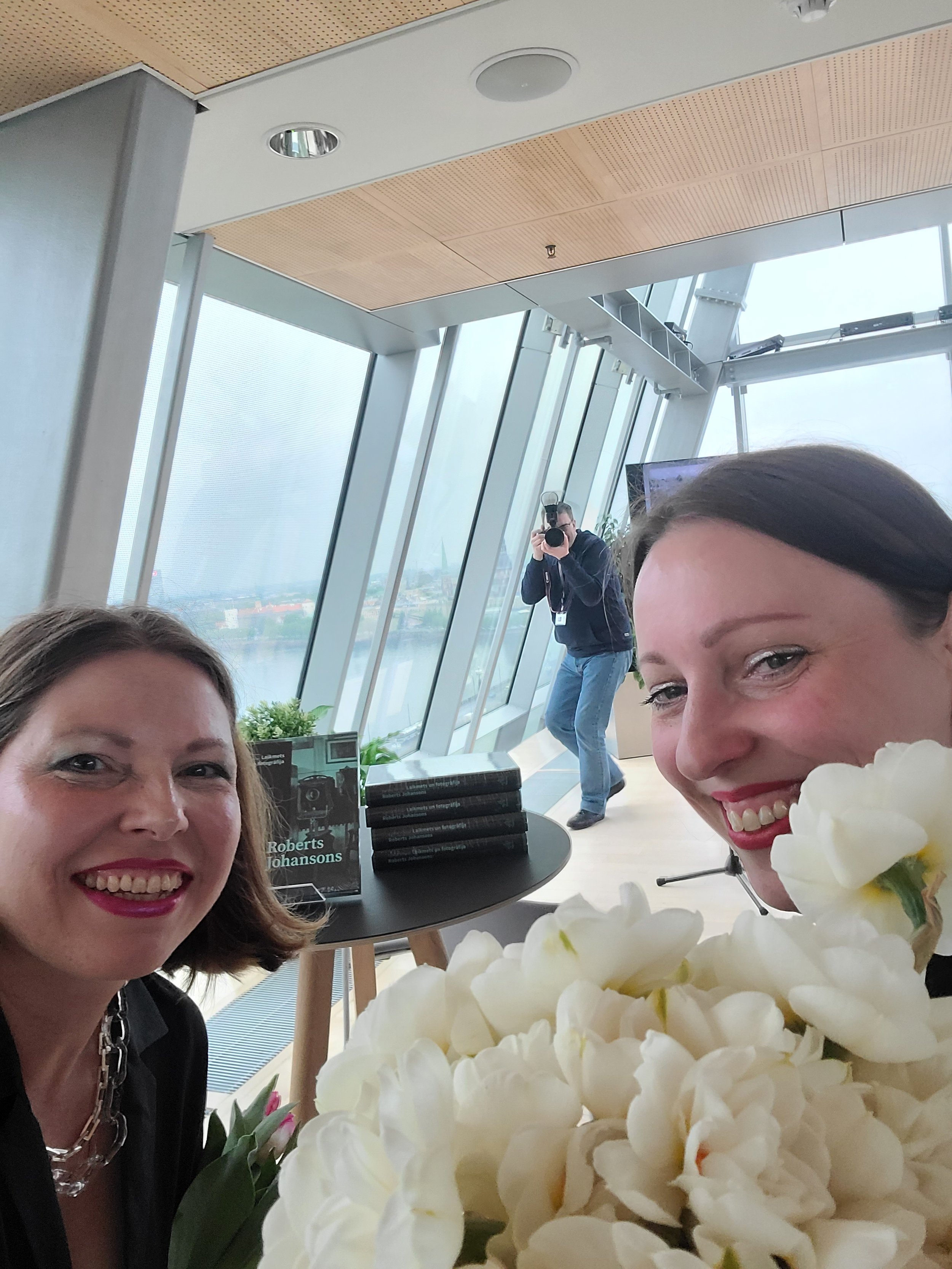
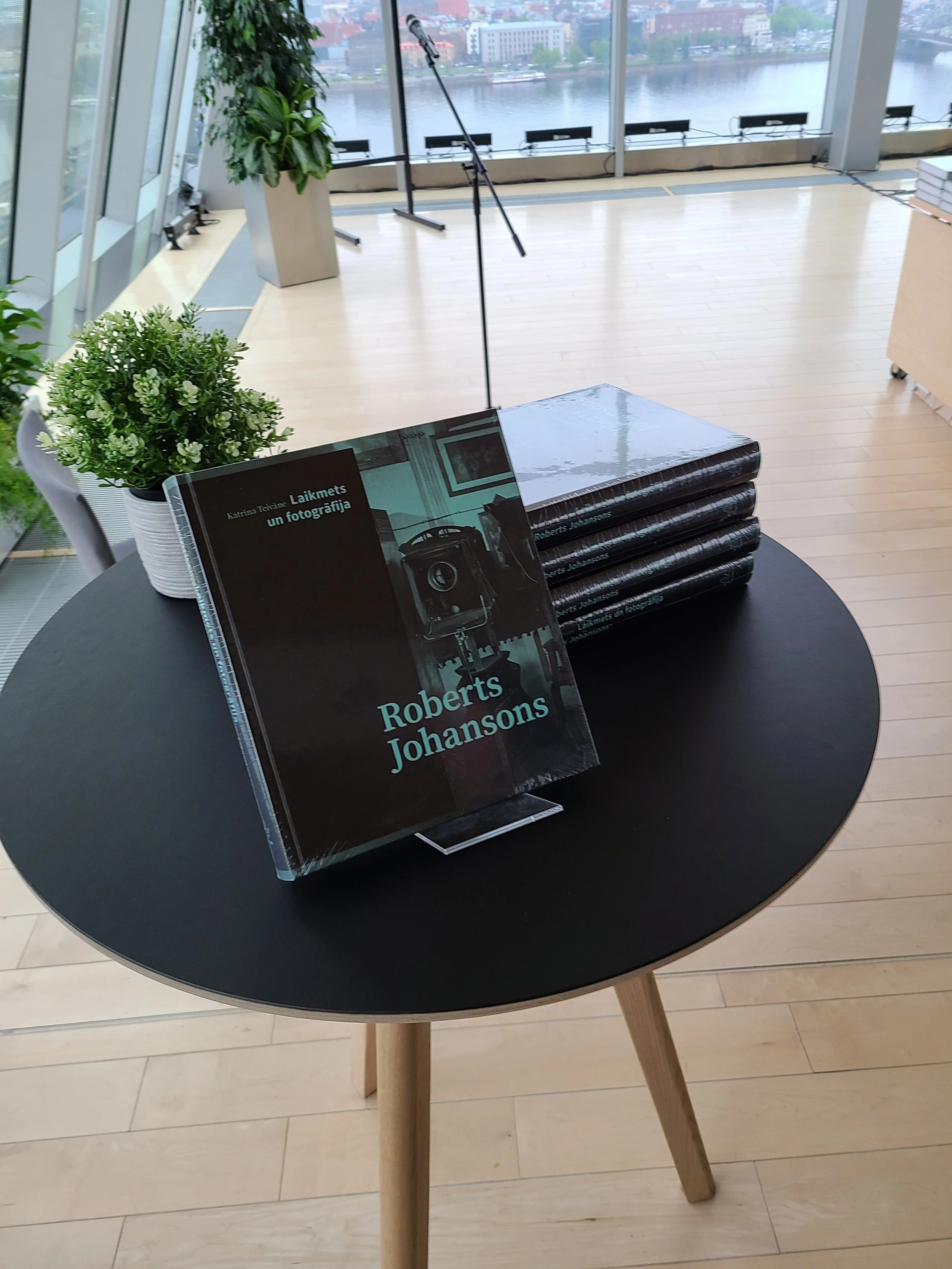
Photos from the book opening at the National Library of Latvia in Riga, May 2022.

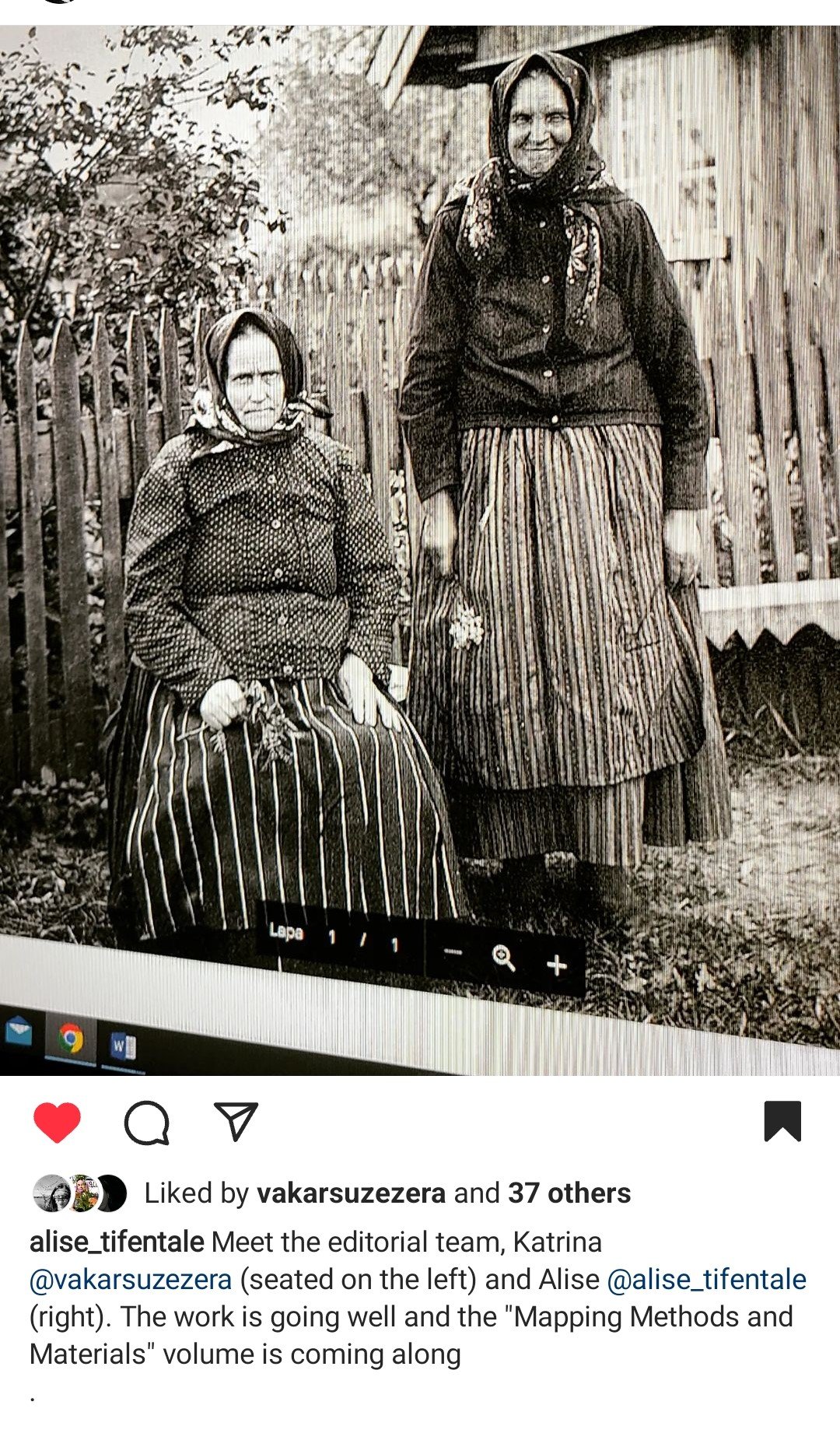
Katrīna Teivāne (on the right) and myself at the opening of the book in May 2022.

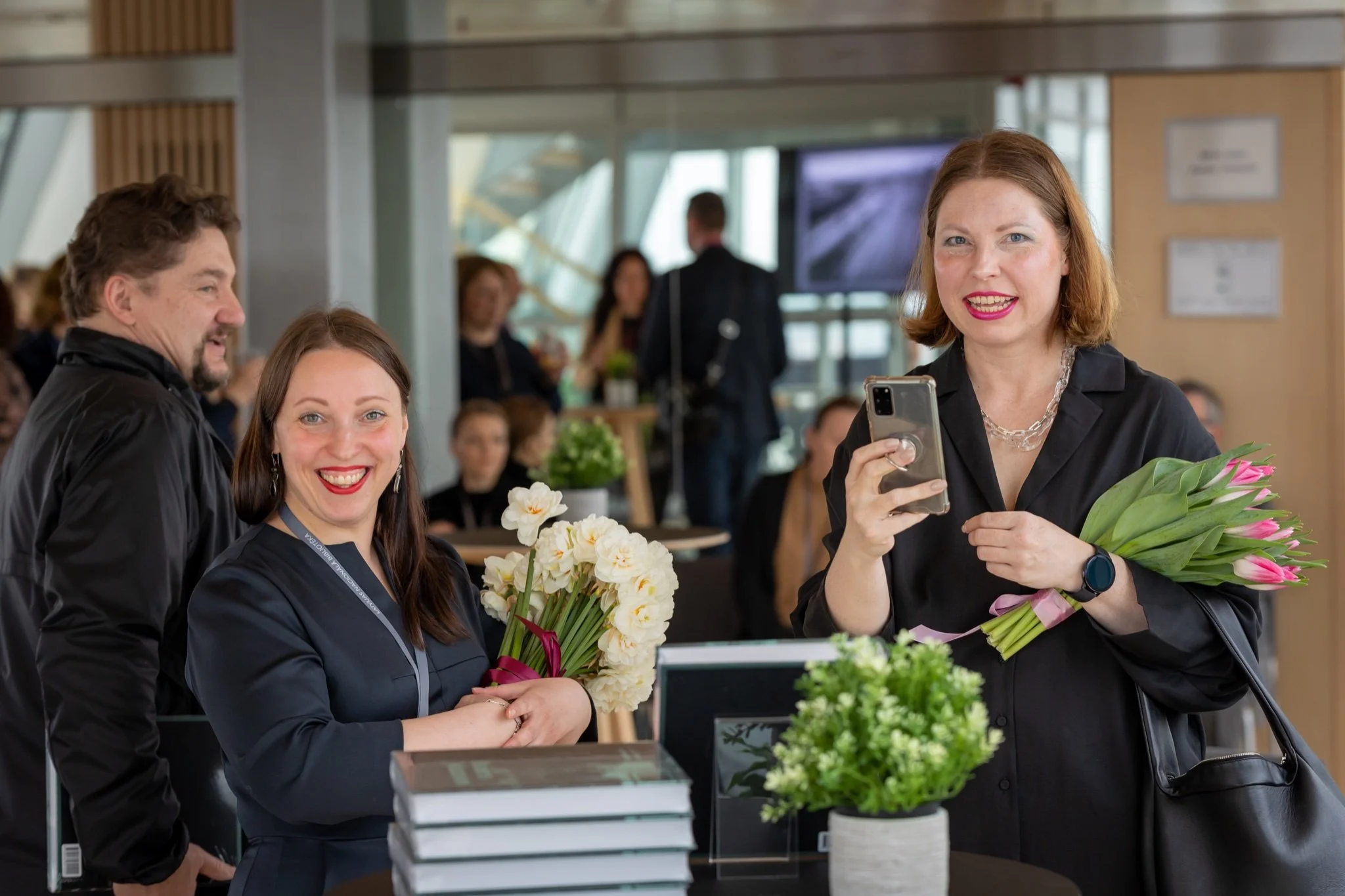
The following two images are from the Facebook album of the book publisher Neputns (more photos here).

The author of the book, Katrīna Teivāne (left) and myself (right).

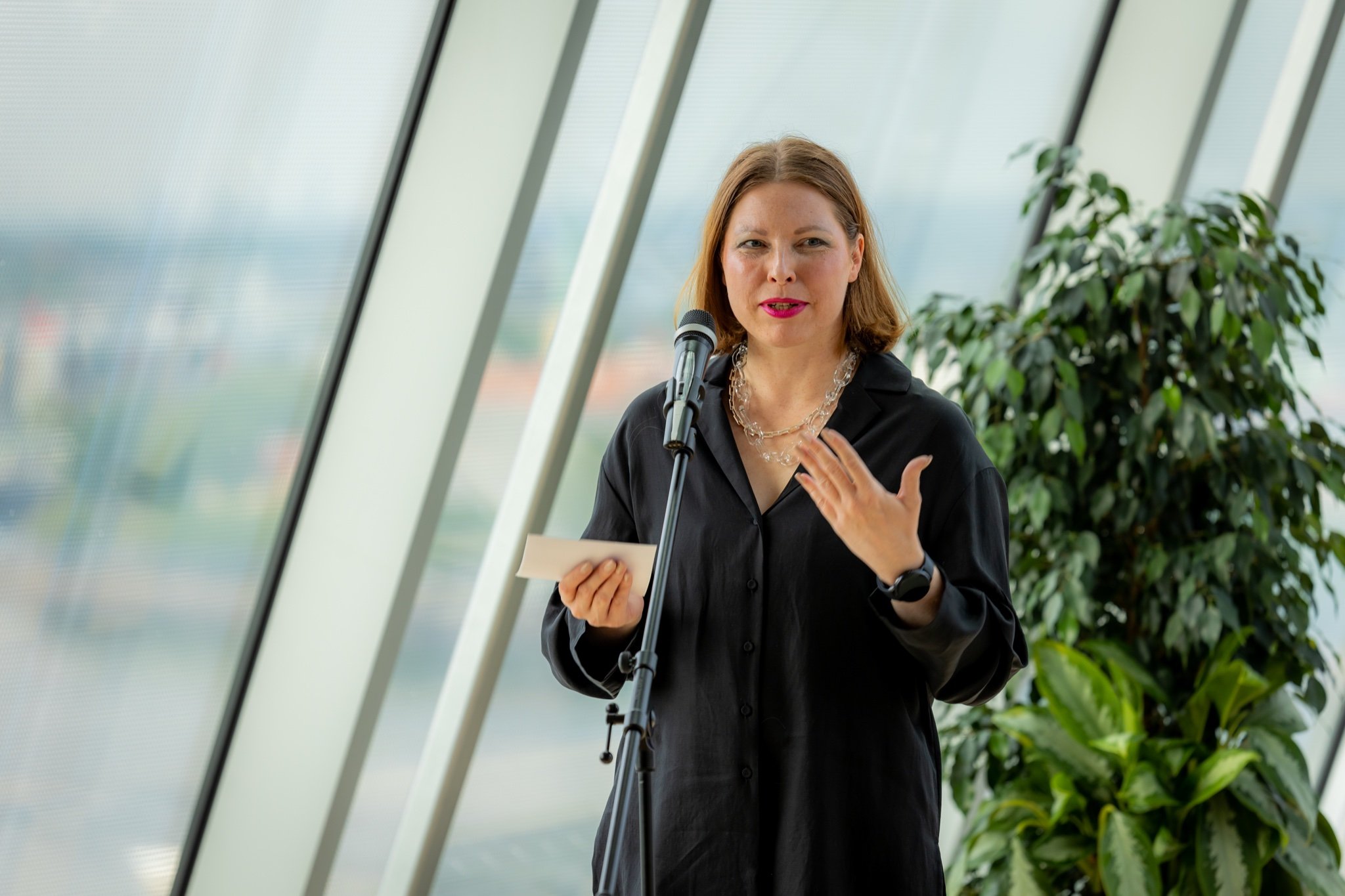
I had the honor to congratulate Katrīna and say a few words about the book as well as some of the difficulties and challenges of researching and writing photography histories.

Landscapes for Insiders

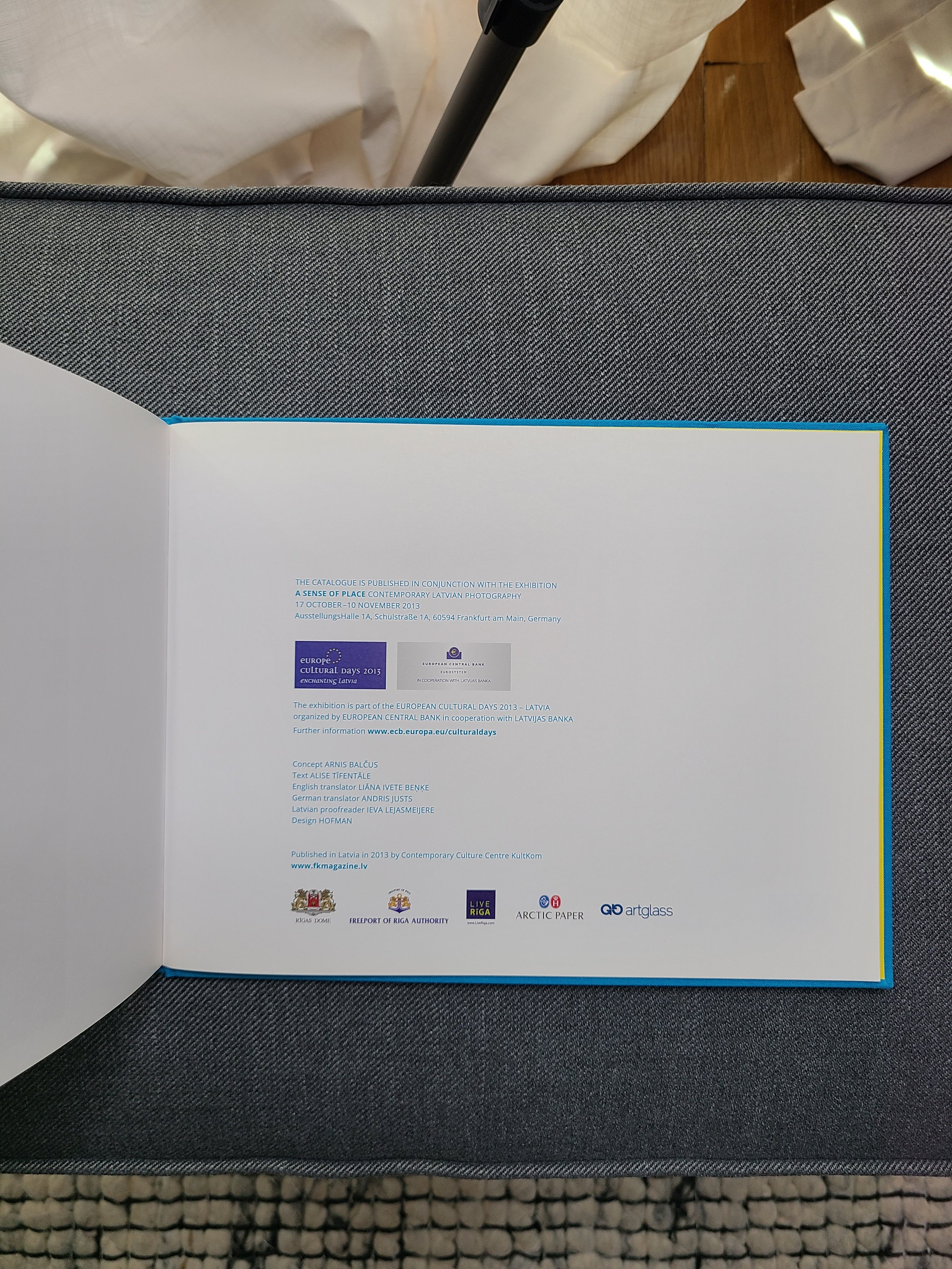
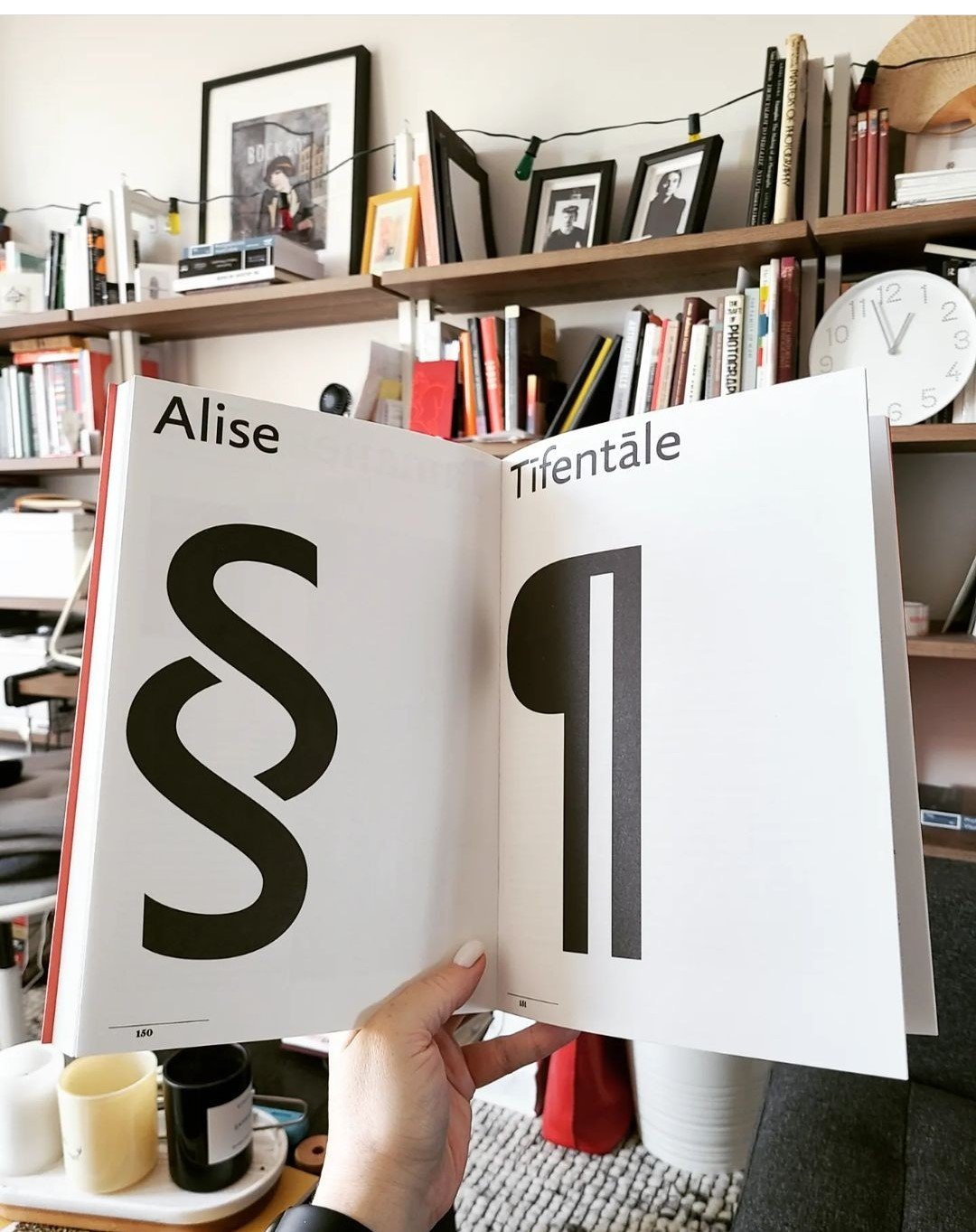
Alise Tifentale, “Landscapes for Insiders,” in Sense of Place, ex.cat., Riga: KultKom, 2013, pp. 5-8.

The catalogue is published in conjunction with the exhibition “A Sense of Place. Contemporary Latvian Photography,” October 17 - November 10, 2013, AusstellungsHalle 1A, Sculstrasse 1A, Frankfurt am Main, Germany.

Download the article pdf here.

The photographers participating in the exhibition are Arnis Balčus, Reinis Hofmanis, and Alnis Stakle.

The essay is published in the catalogue also in German, “Landschaften, nur für die Einheimischen,” and in Latvian, “Ainavas, kuras redz tikai savējie.”

Working the Labor-Leisure Machine: Proposal for a Photography Museum Without Images

Alise Tifentale, "Working the Labor-Leisure Machine: Proposal for a Photography Museum Without Images," Riga Technoculture Research Unit (RTRU), Season 1 (February 1, 2023), https://www.rtru.org/under-the-hood/participants/alise-tifentale

Read my article on the RTRU platform here: https://www.rtru.org/under-the-hood/participants/alise-tifentale

or download a pdf here.

RTRU - www.rtru.org - is curated by Elizaveta Shneyderman and Zane Onckule, designed and coded by Becca Abbe

Abstract:

Almost seventy years ago, André Malraux introduced the concept of a museum without walls (the “musée imaginaire”) containing photographic reproductions of artworks; he furthermore developed a detailed analysis of the shortcomings and benefits of such a “museum.” I am using Malraux as a starting point for thinking about photography through the lens of a museum without images. Central to my museum is the understanding of photography as a practice, an apparatus, and a form of social interaction. The museum examines photography as a complex mechanism where labor and leisure overlap; photography can simultaneously be a means of production, a source of entertainment, and a commodity for consumption. My method suggests a subversion of the patriarchal and Euro-centric concept of a museum as a collection of valuable masterpieces. Instead, this museum exhibits ideas as works in progress. No doubt, there are also images in this museum, but they play the role of footnotes. Even more importantly, at the time of their making, these images exist(ed) outside, or on the margins of, the mainstream art world.

Central to this proposed museum is the understanding of photography as a practice, an apparatus, and a form of social interaction. The museum examines photography as a complex mechanism where labor and leisure overlap. Photography can simultaneously serve as a means of production, a source of entertainment, and a commodity for consumption. This essay introduces five rooms of the museum. These rooms offer ways of viewing photography as part of contemporary technological culture, with a focus on concepts like the labor-leisure machine, the networked camera, photography without images, obsolescence/prescience, and human-machine relationships.

From the publishers about the concept of RTRU - www.rtru.org:

“Part research journal, part art and writing publisher, part hub for developments in emerging media, RTRU brings an interdisciplinary and technicity-centered approach to the status quo of contemporary art programming. Season one, Under The Hood, looks at the technical processes and economic and social structures of production that profoundly shape visual culture. Our first season considers the museum without images; the effusive “student body”; labor history; “the factory of phenomena,” the paradigmatic worksite of contemporary media culture; and much more.

In order to understand how imaging strategies produce the aesthetic effects that we frequently and unconsciously observe in the world, we must first understand the infrastructure for how these images are made, or go “under the hood.” The way visual culture comes to be constructed is at the center of these investigations: the real-time simulations and the skeletal rigs that form the underwire of thrashing corpses, the labor laws which structure capitalist workflows, the technologically dependent student body, the visible signature of video art tropes and their affective contours, many of which have become increasingly prevalent. All of these examples belie their beginning as metrics, inputs, algorithms, and other coding languages assigned by animators, programmers, and policymakers. The images produced by these original technical apparatuses thus introduce a new level of estrangement wherein the major referent is no longer the physical world, but the technical culture behind the curtain.”

Photography Without Images: A Proposal to Think About the Medium as Practice, Apparatus, and Form of Social Interaction

Alise Tifentale, “Photography Without Images: A Proposal to Think About the Medium as Practice, Apparatus, and Form of Social Interaction,” in Latvian Photography 2022, edited by Arnis Balčus and Alexey Murashko (Riga: Kultkom, 2022): 152-171.

Download my article as a pdf here.

Abstract:

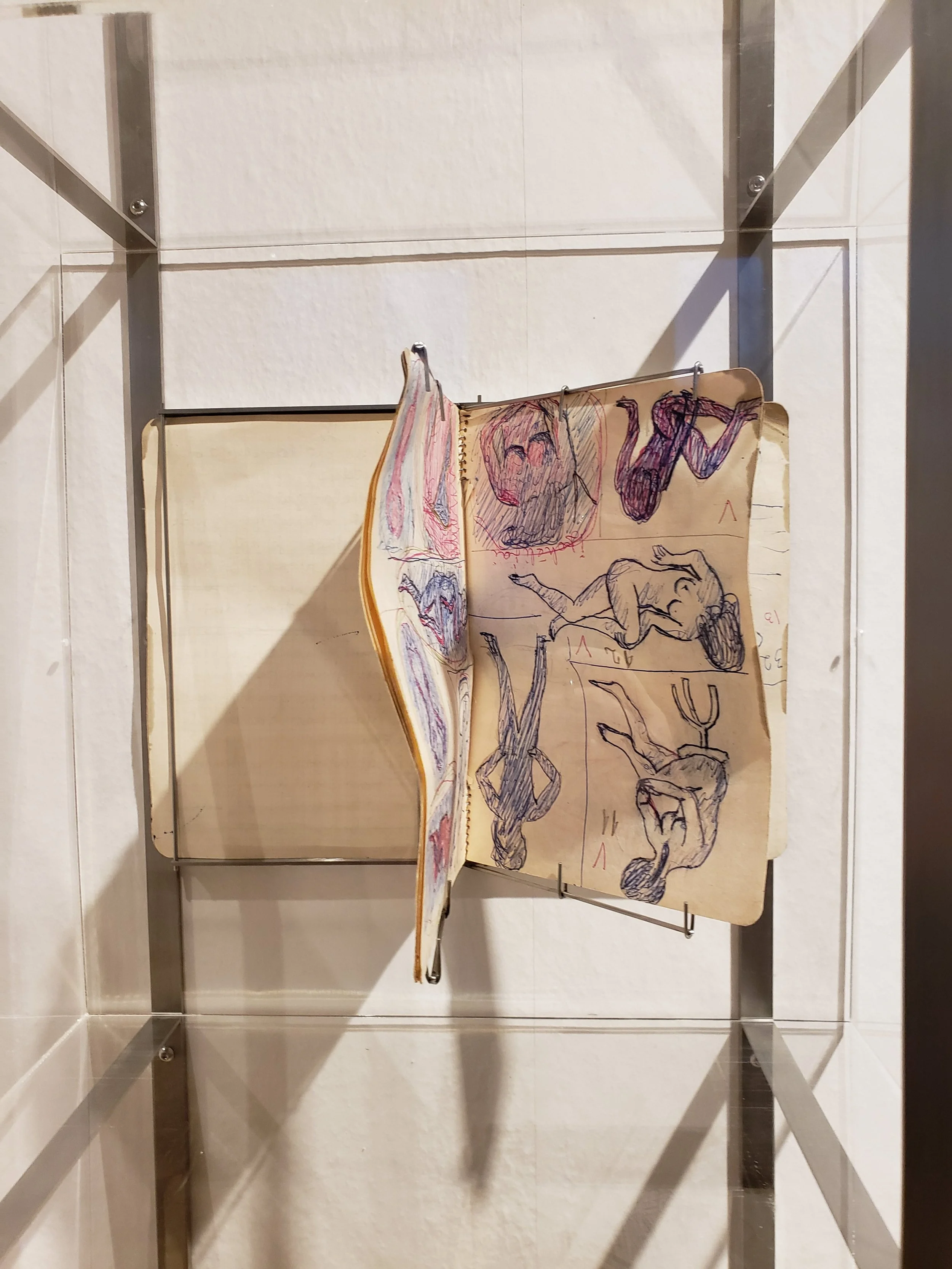
In this article I propose to think about photography without images, i.e., focusing on the medium as practice, apparatus, and form of social interaction. Based on concepts created by Pierre Bourdieu, Vilém Flusser, and Lev Manovich, among others, this article attempts to depart from the image-centered, art-historical approach to photography that has dominated this field so far. Instead of repeating the romanticized narrative of “great” or “important” images and their “talented” makers, this article proposes to look beyond the images’ surface and examine unpublished or deleted photographs in archives and on social media, the significance of darkroom work and collective or shared authorship, photography on the NFT art marketplace, and the role of AI and automation in photographic production. The article discusses the work of photographers, artists, digital creators, and social media content producers such as Sultan Gustaf Al Ghozali, Caroline Calloway, Henri Cartier-Bresson, Zenta Dzividzinska, Alan Govenar, Ivars Grāvlejs, Lucia Moholy, Emma Agnes Sheffer, Alnis Stakle, Sophie Thun, and others.

What Is the Flag We Rally Around? Trust in Information Sources at the Outset of the COVID-19 Pandemic in Latvia

Alise Tifentale, Anda Rožukalne, Vineta Kleinberga, and Ieva Strode. “What Is the Flag We Rally Around? Trust in Information Sources at the Outset of the COVID-19 Pandemic in Latvia.” Social Sciences, Volume 11, Issue 3 (March 2022), 123; doi:10.3390/socsci11030123.

Download the open access article from the journal’s website: https://doi.org/10.3390/socsci11030123

Download the article pdf here: download

This article is one of the deliverables in the research project, Life with COVID-19: Evaluation of overcoming the coronavirus crisis in Latvia and recommendations for societal resilience in the future (VPP-COVID-2020/1-0013) that was implemented from June 2020 to March 2021. The project was led by Alise Tifentale who from December 2019 to March 2021 served a visiting researcher at the Communication Studies department, Riga Stradins University, Riga, Latvia.

The project was carried out by 88 leading scholars from RSU and a consortium of four other Latvian research institutions. The project won EUR 500,000 in a nation-wide competition within the framework of the State Research Program. Read more about the project here: http://www.alisetifentale.net/research-blog-at/rsu-research-completed

Click on the image below to download the article pdf:

Abstract:

Trust in information sources about COVID-19 may influence the public attitude toward the disease and the imposed restrictions, thus determining the course of the COVID-19 pandemic in a given country. Acknowledging an increase in trust in the government or the so-called rally ‘round the flag’ effect around the world at the beginning of the COVID-19 pandemic, this study explores possible determinants of this effect in Latvia, looking at such variables as the perceived disease risk, gender, age, education, income, and language spoken in the family. Presuming that risk perception may be amplified by trust in various information sources, we investigate a spill-over of the rally ‘round the flag’ effect on healthcare professionals, media, and interpersonal networks. Studying data from a nationally representative sociological survey conducted in September 2020, we confirm a positive relationship between trust in all information sources, except friends, relatives, and colleagues, and perceived disease risk. Correlations are also strong regarding trust in almost all information sources and the measured socio-demographic variables, except gender. Interpersonal trust seems to be relatively stable, and in most cases the correlations are statistically insignificant. With this study we suggest that increase in trust in government institutions as well as other information sources, even in crisis situations, does not depend on any single element, but instead presents a more complex phenomenon.

New View on Latvian Soviet-Era Press Photography

Alise Tifentale, “Jauns skats uz Latvijas padomju laika preses fotogrāfiju” [New View on Latvian Soviet-Era Press Photography], FK Magazine, January 24, 2022.

Read the article now:

—> download a PDF here

—> or read it online on FK Magazine website: https://fotokvartals.lv/2022/01/24/jauns-skats-uz-latvijas-padomju-laika-preses-fotografiju/

The books I reviewed:

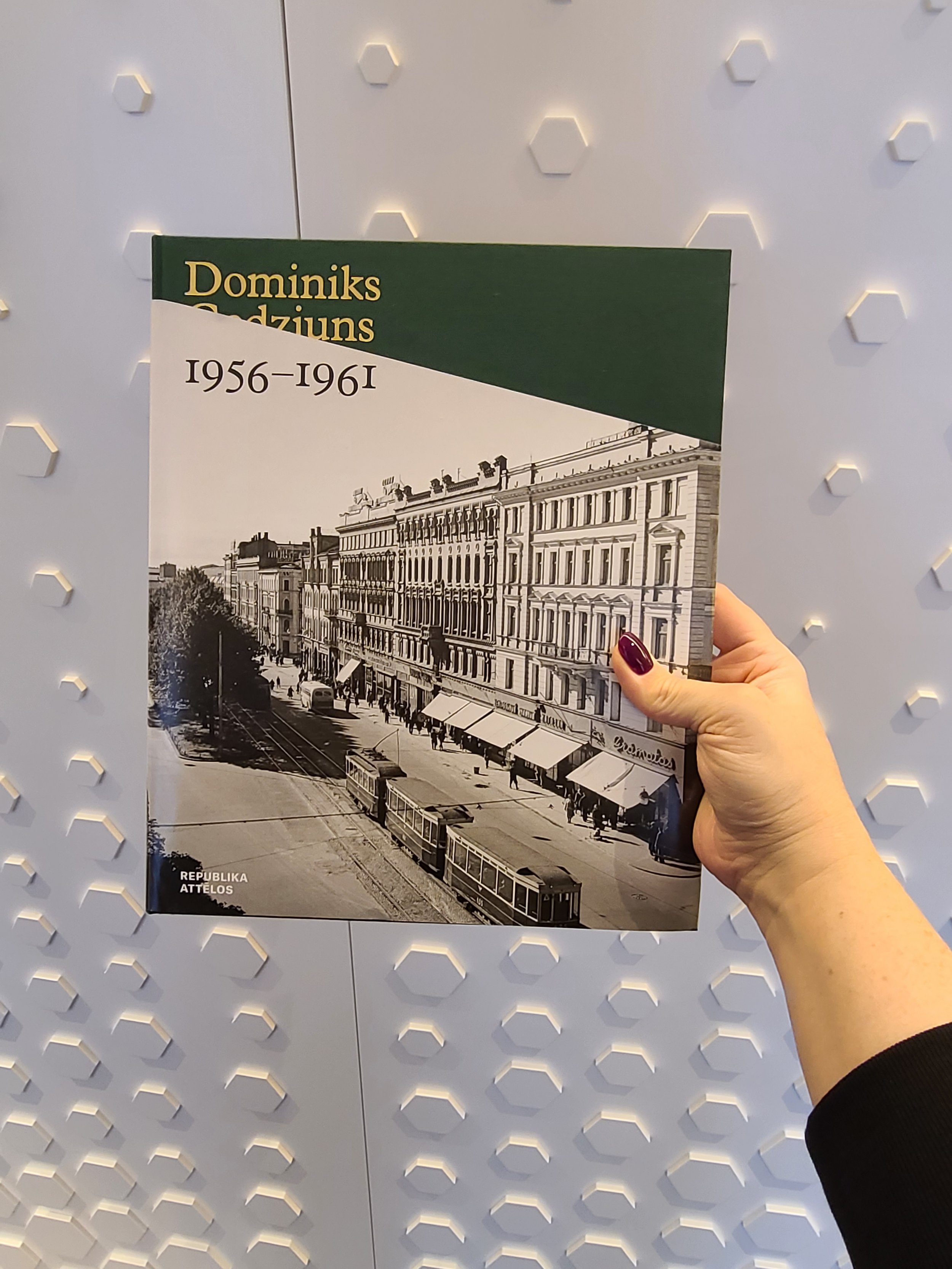
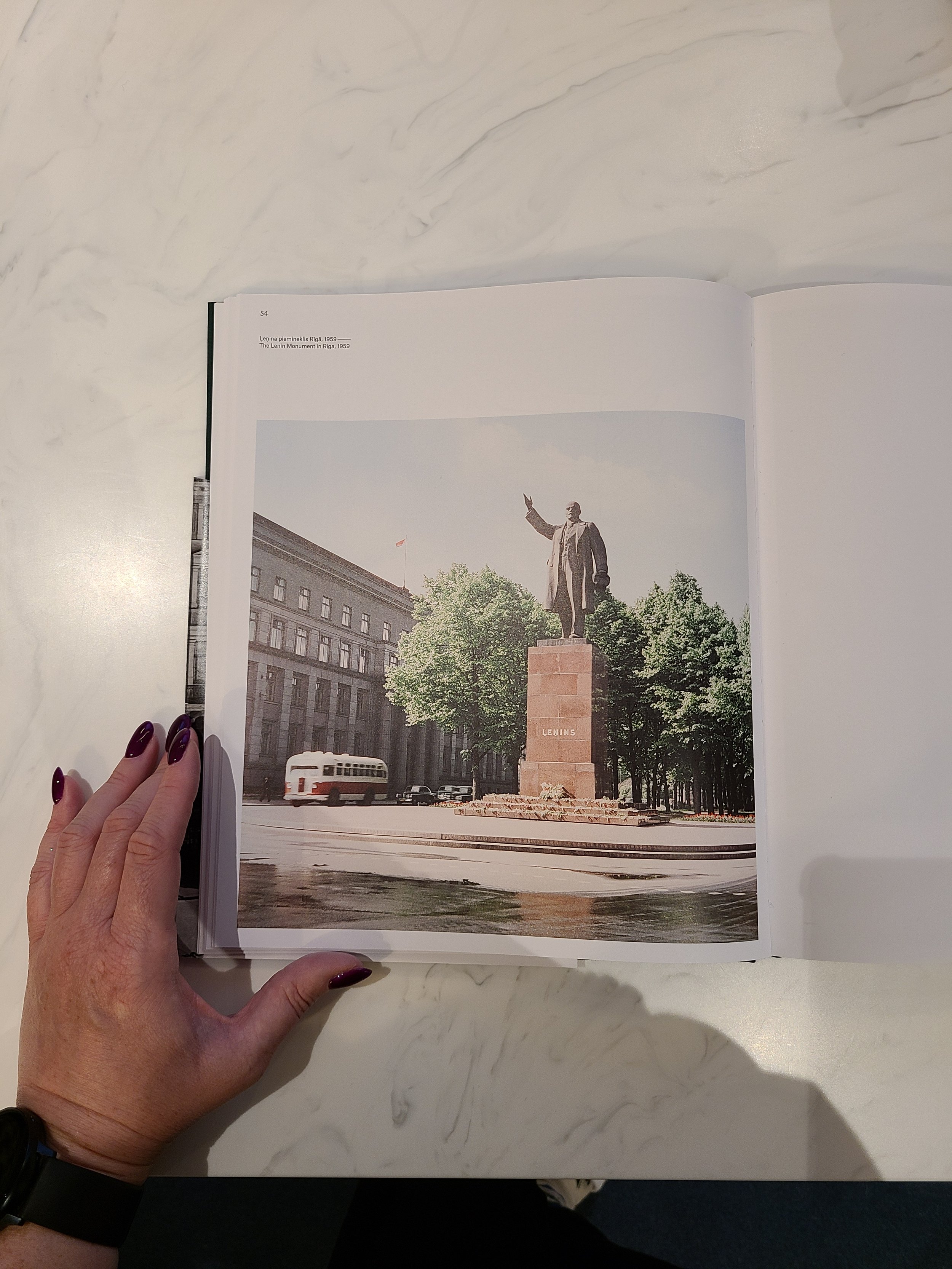
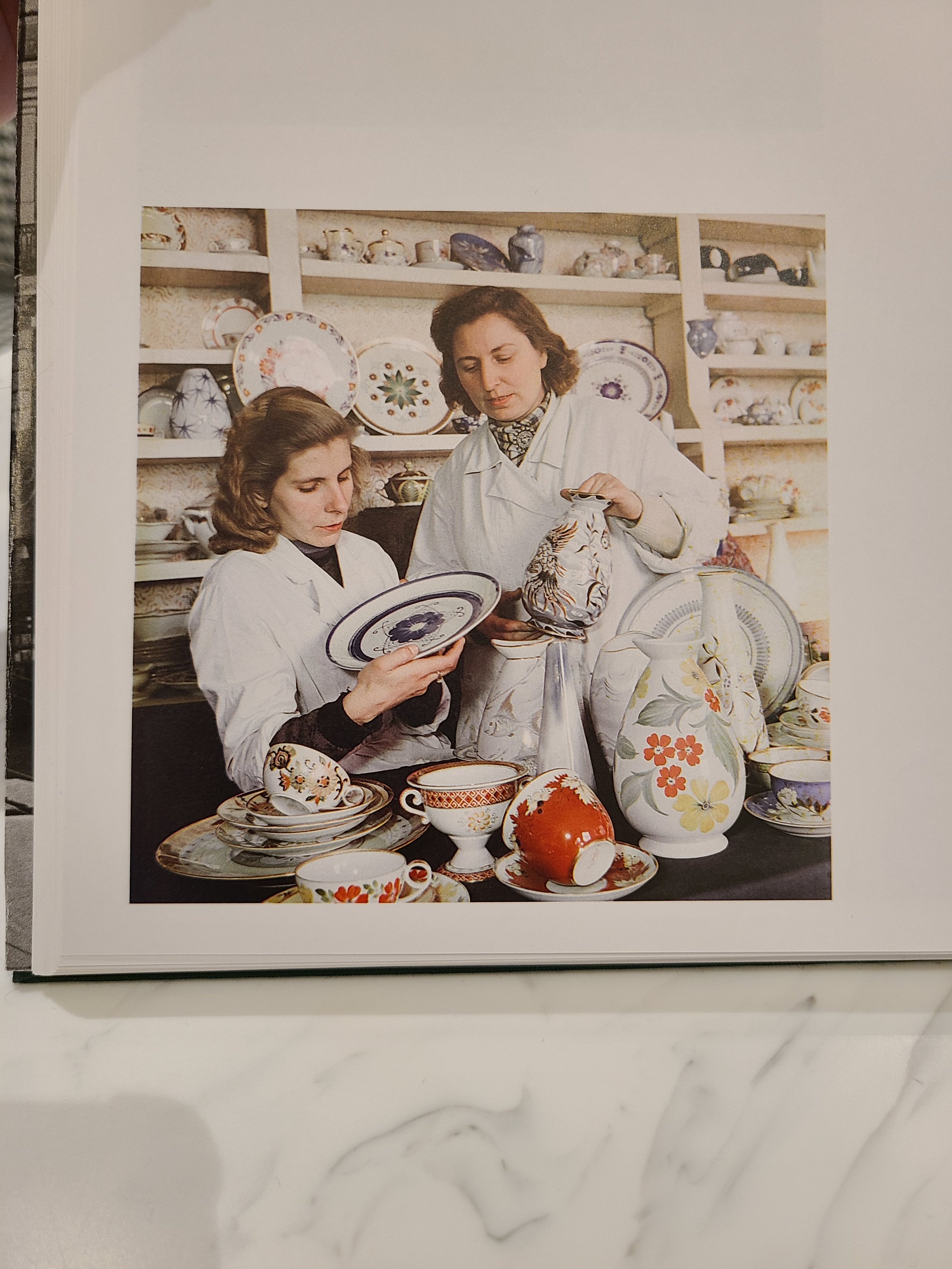
1. Dominiks Gedzjuns. 1956-1961, edited by Toms Zariņš and Aleksejs Muraško. Riga: Kultkom, 2021. Selected works by press photographer Dominiks Gedzjuns (1918-1998)

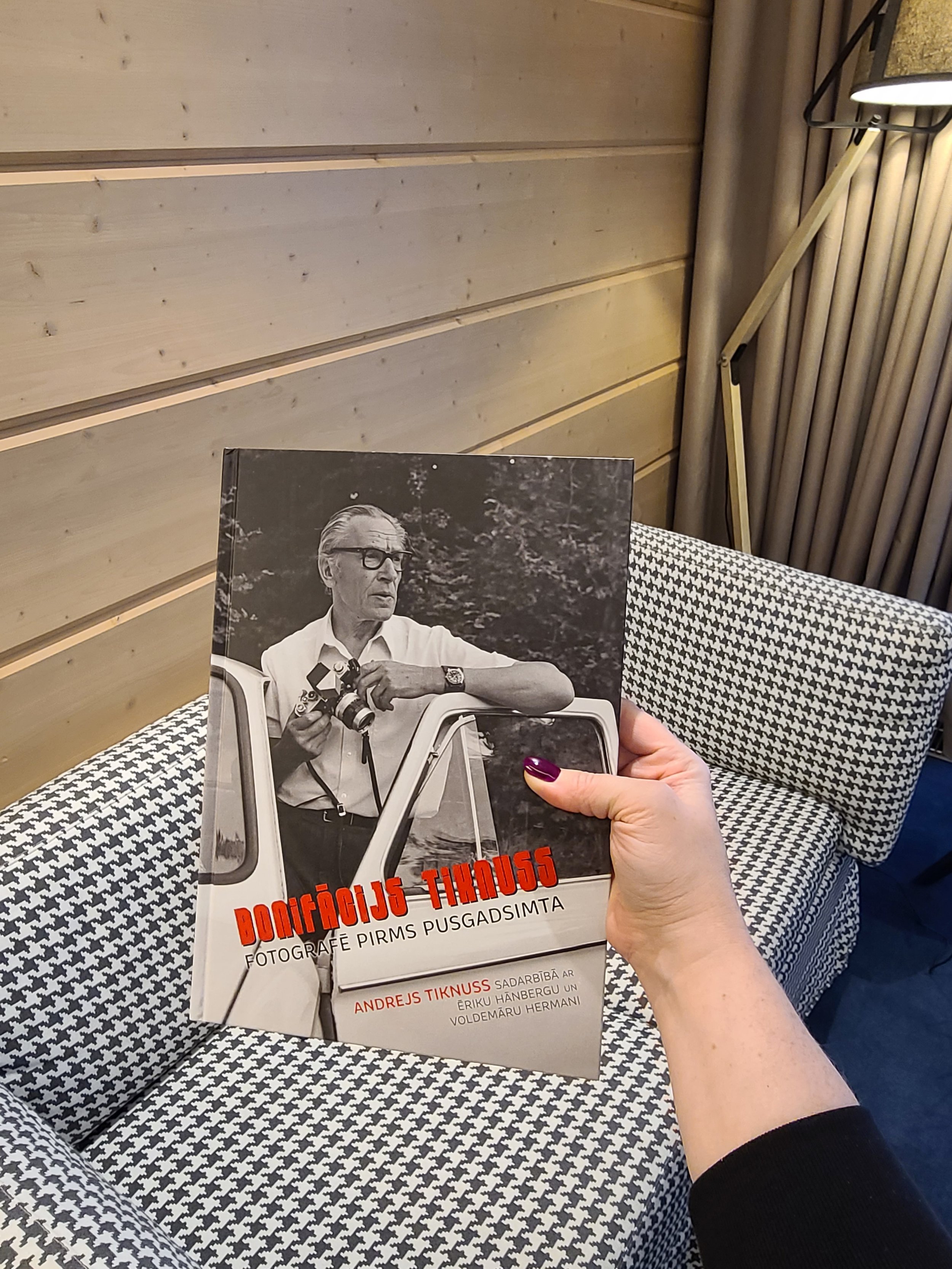
2. Bonifācijs Tiknuss fotografē pirms pusgadsimta [Bonifācijs Tiknuss Takes Photographs Half a Century Ago], edited by Andrejs Tiknuss in collaboration with Ēriks Hānbergs and Voldemārs Hermanis. Riga: Madris, n.d. The story of the life and career of the newspaper Cīņa photojournalist Bonifācijs Tiknuss (1915-1986) as told by his son and former colleagues with a broad selection of his photographs.

The Most Popular Art Medium that Has Two Festivals and a Gallery. A Reflection on Photography and Photographers in Latvia’s Art World

Alise Tifentale, "The Most Popular Art Medium that Has Two Festivals and a Gallery. A Reflection on Photography and Photographers in Latvia’s Art World (Populārākais mākslas medijs, kam veltīti divi festivāli un galerija. Refleksija par fotogrāfiju un fotogrāfiem Latvijas mākslas pasaulē), Arterritory, December 7, 2021, available at https://arterritory.com/lv/vizuala_maksla/raksti/25891-popularakais_makslas_medijs_kam_veltiti_divi_festivali_un_galerija (in Latvian only).

Click to download a pdf or read it online on Arterritory website: https://arterritory.com/lv/vizuala_maksla/raksti/25891-popularakais_makslas_medijs_kam_veltiti_divi_festivali_un_galerija

Instead of an abstract, see below a few selected illustrations from the article featuring photo books and exhibitions discussed in the article:

Annemarija Gulbe, solo show Love Re-search at the ISSP Gallery, Riga, from July 17 to August 29, 2020. Photo: Alise Tifentale.

Page from the photo book Glass Strenči (Riga: Orbīta, 2019). Photo: Alise Tifentale.

Photography room in the permanent display of postwar Latvian art at the Latvian National Museum of Art. Detail. November, 2020. Photo: Alise Tifentale.

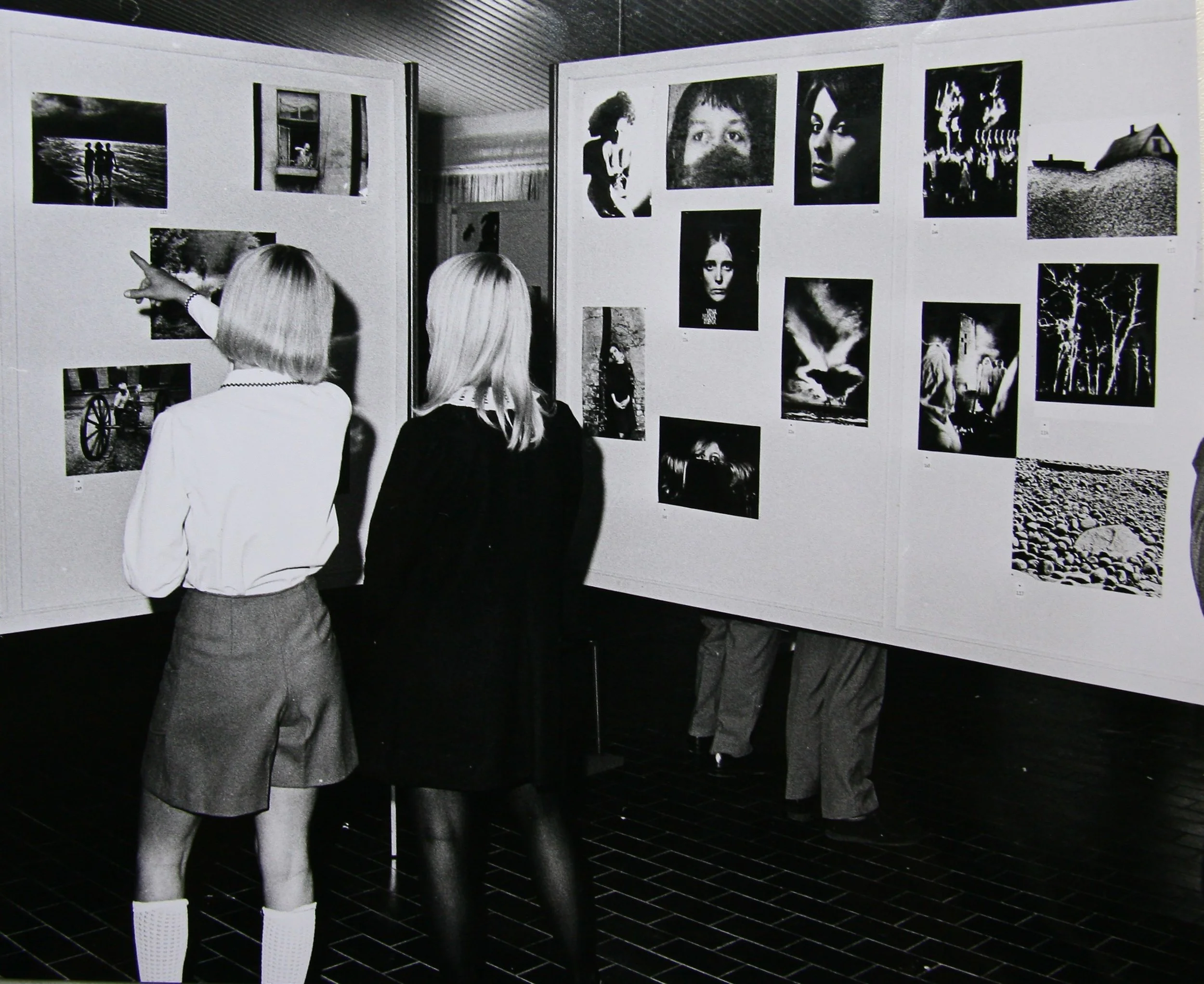
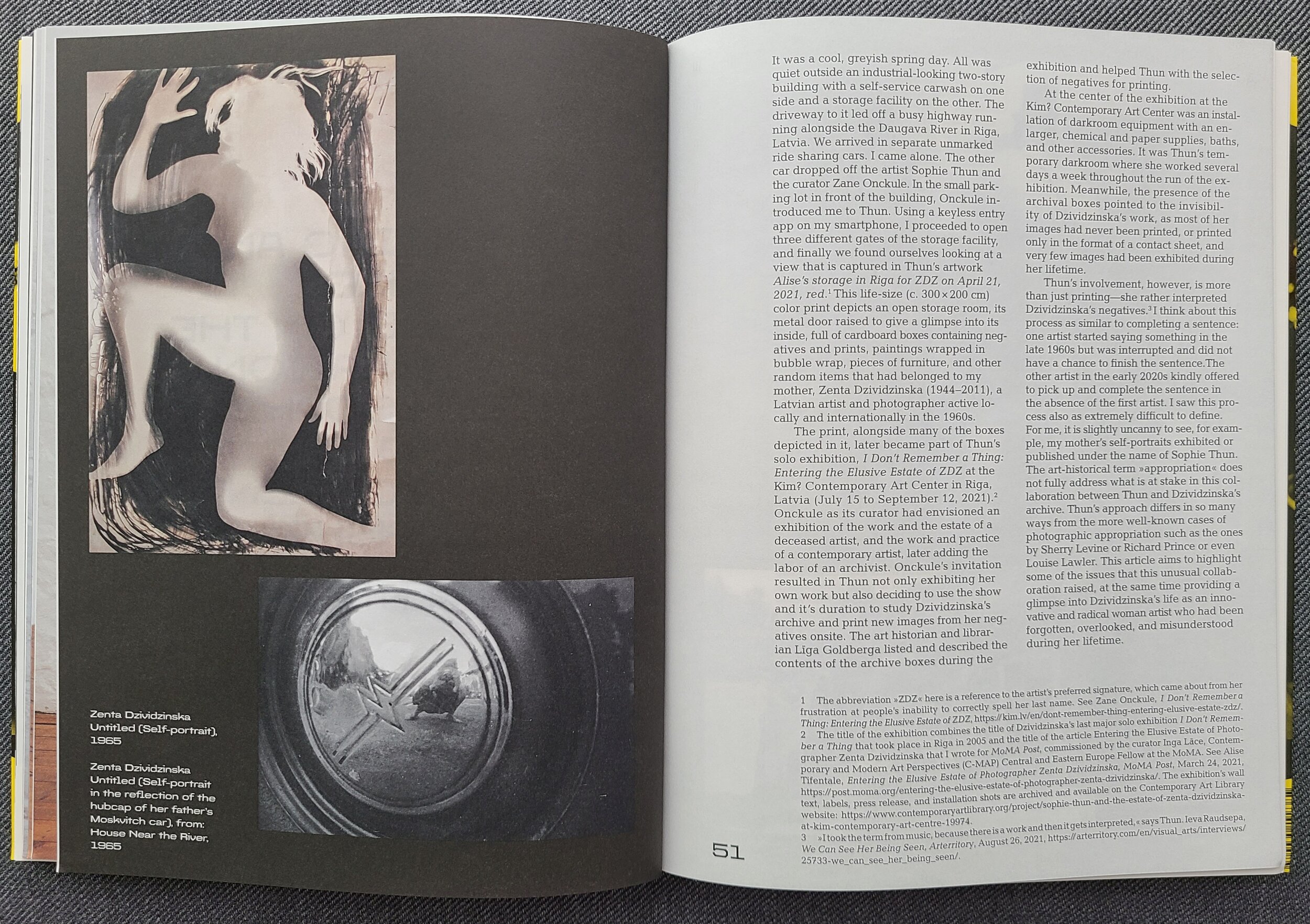
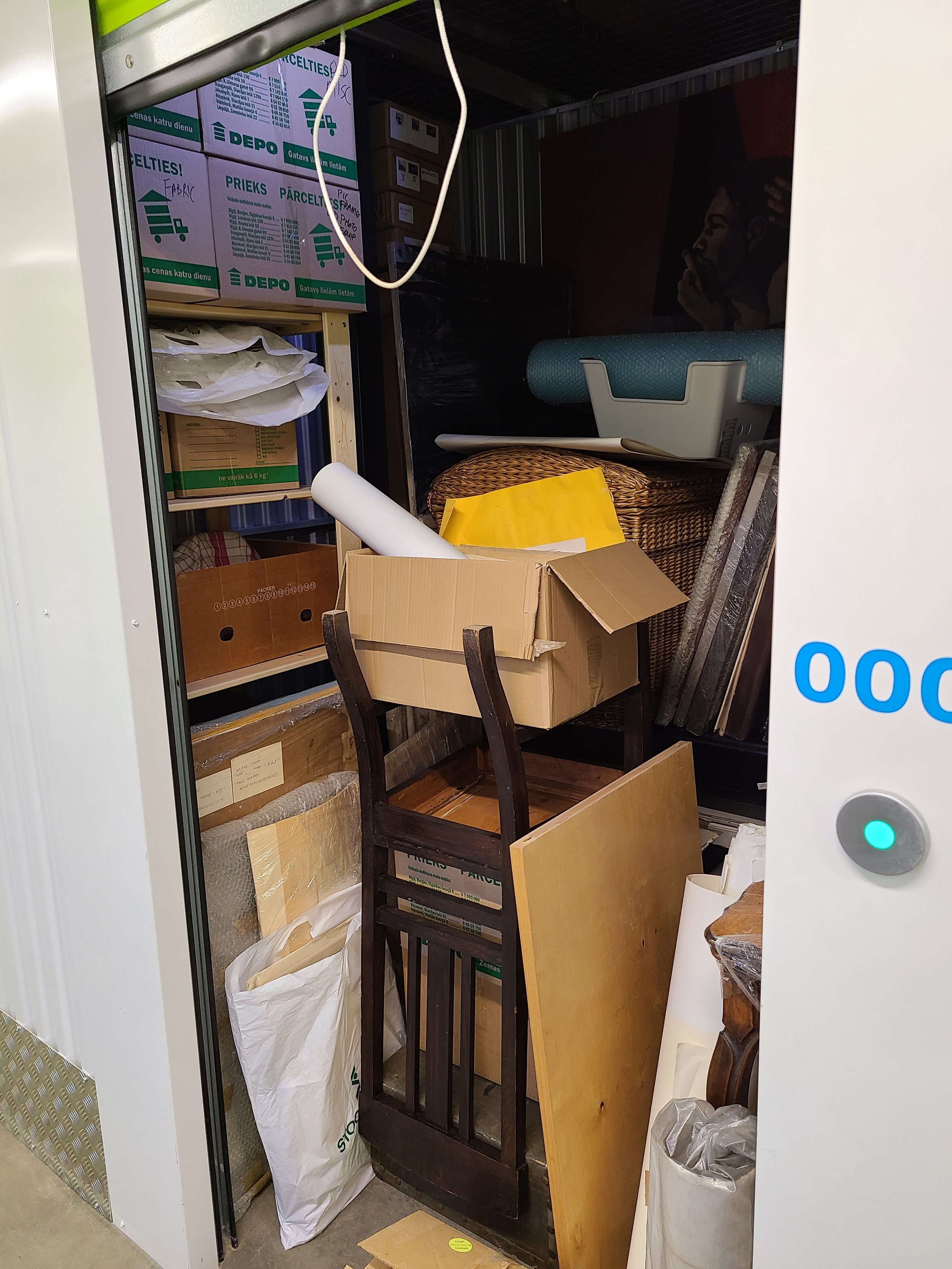
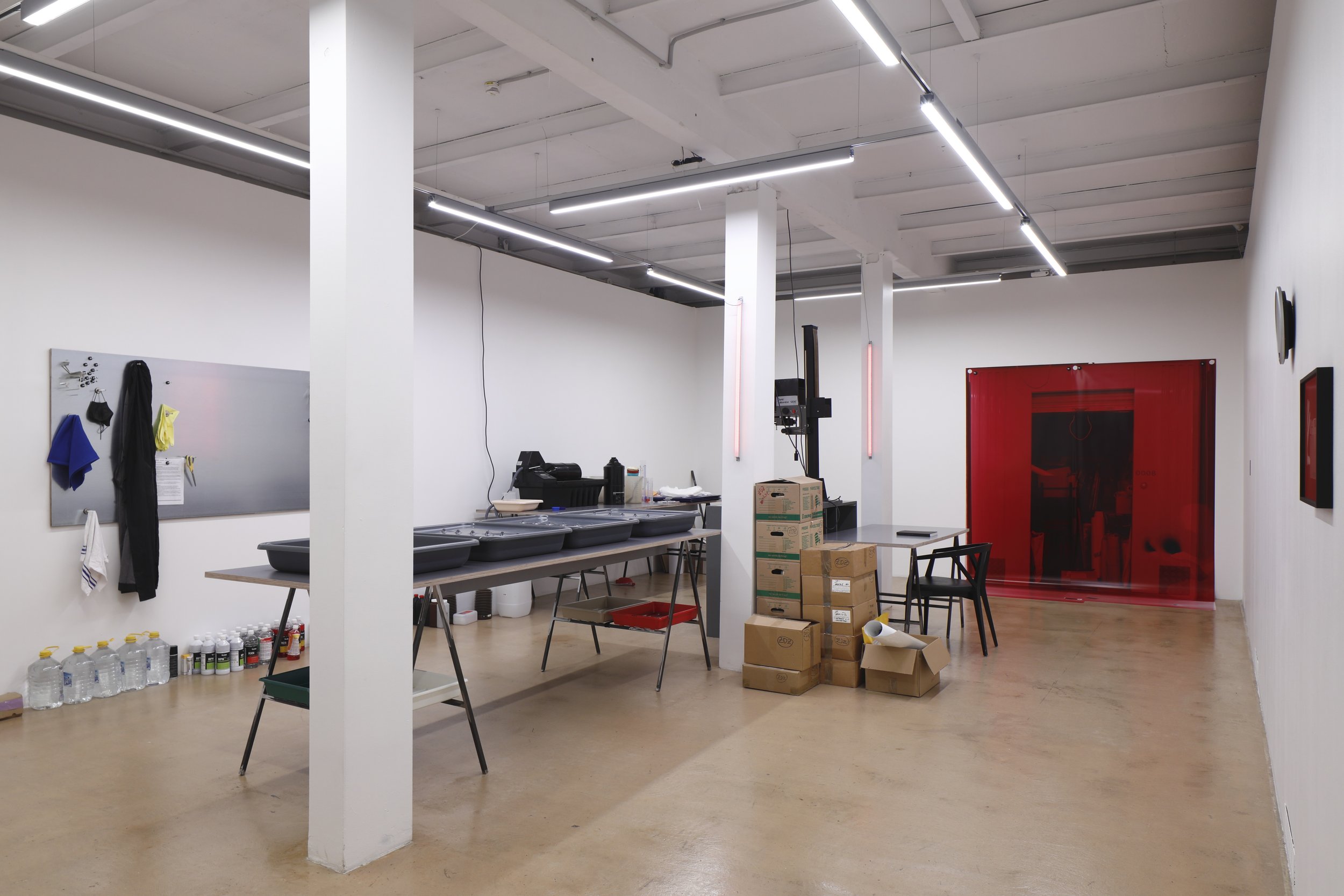
View of the exhibition by Sophie Thun and Zenta Dzividzinska, I Don't Remember a Thing: Entering the Elusive Estate of ZDZ. The exhibition was open from July 15 to September 12, 2021 at the Kim? Contemporary Art Center. Photo: Alise Tifentale. Learn more about the exhibition here: https://www.artdays.net/zdz-exhibitions/kim-2021

View of the exhibition by Sophie Thun and Zenta Dzividzinska, I Don't Remember a Thing: Entering the Elusive Estate of ZDZ. The exhibition was open from July 15 to September 12, 2021 at the Kim? Contemporary Art Center. Photo: Alise Tifentale. Learn more about the exhibition here: https://www.artdays.net/zdz-exhibitions/kim-2021

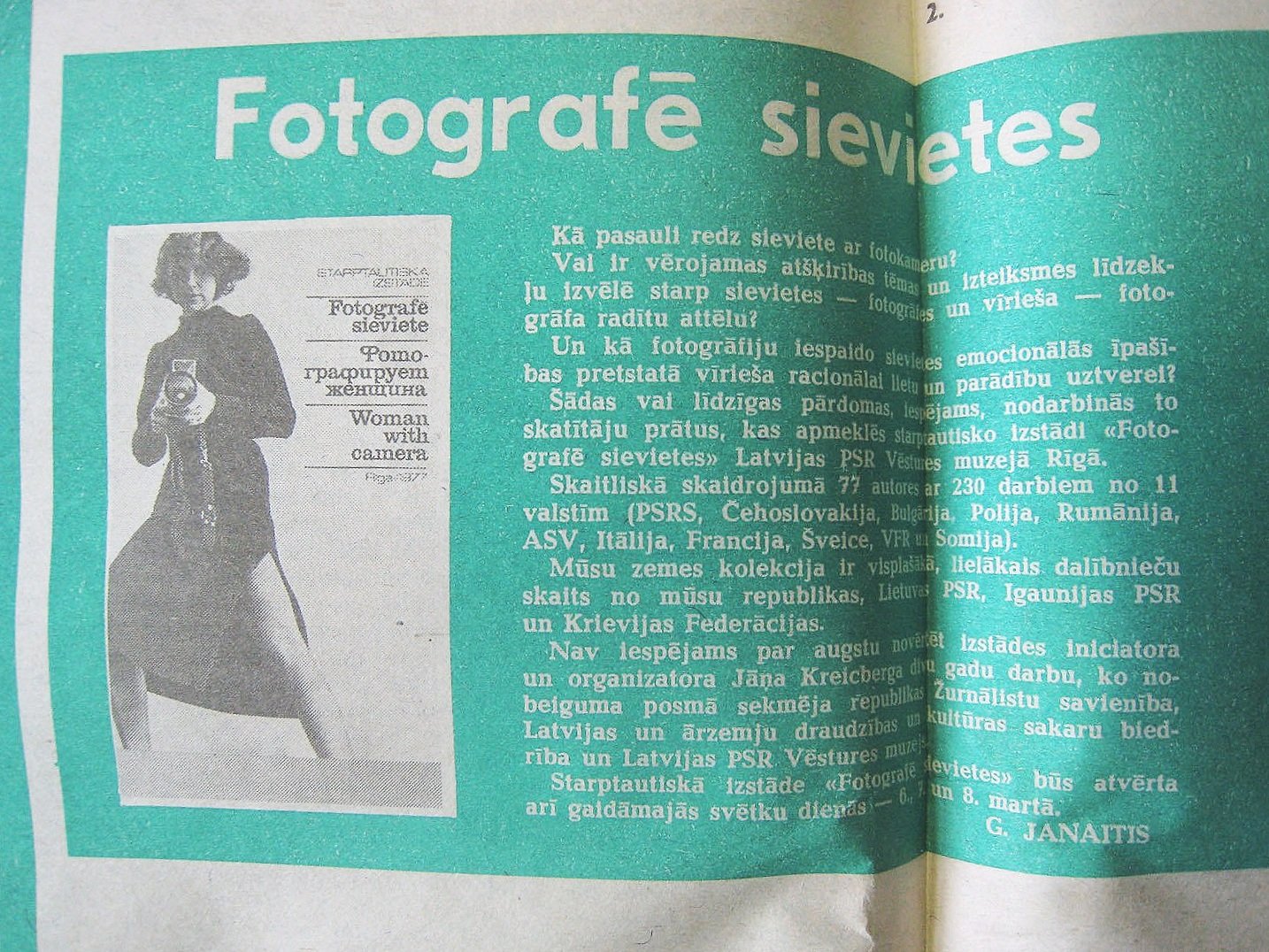
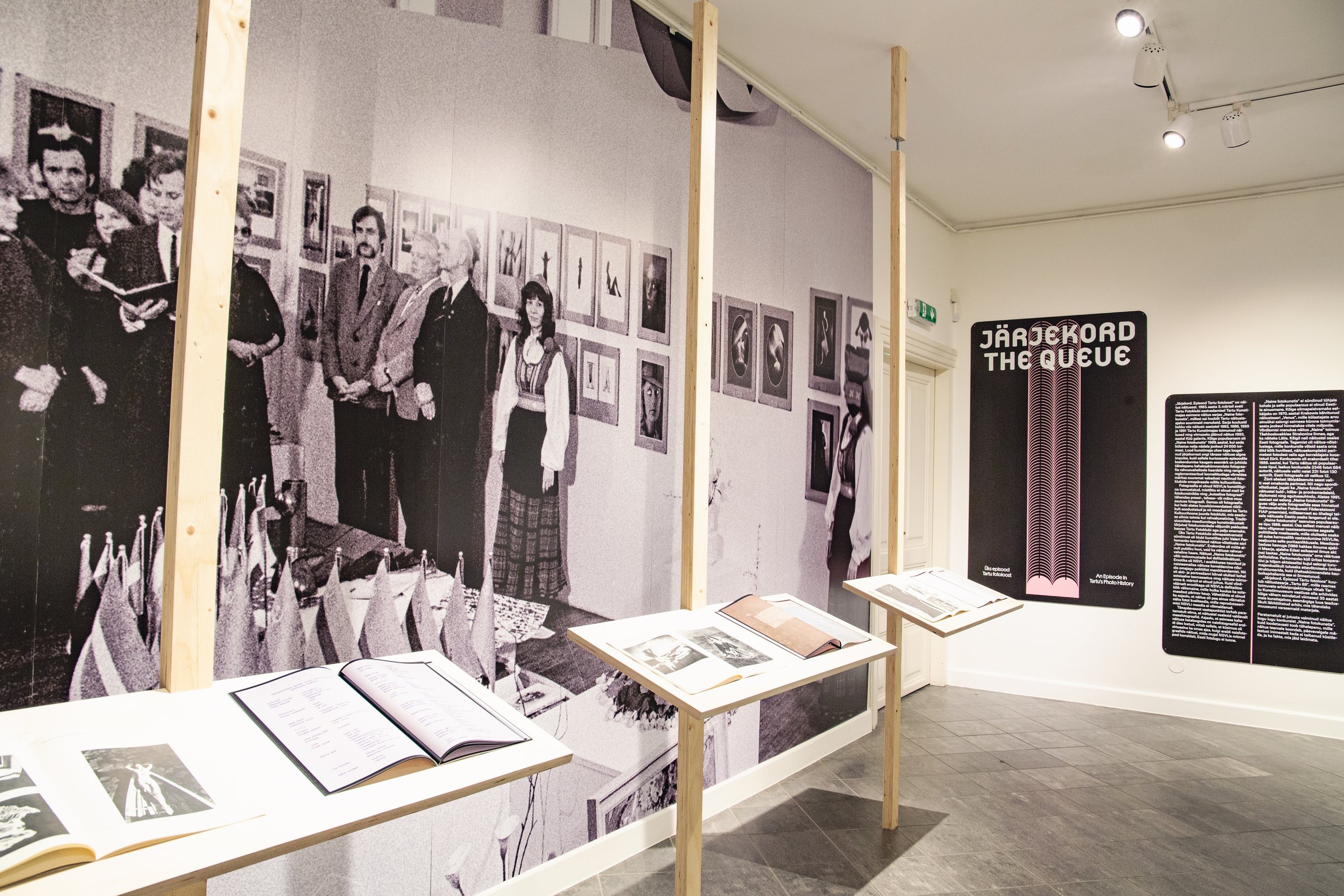
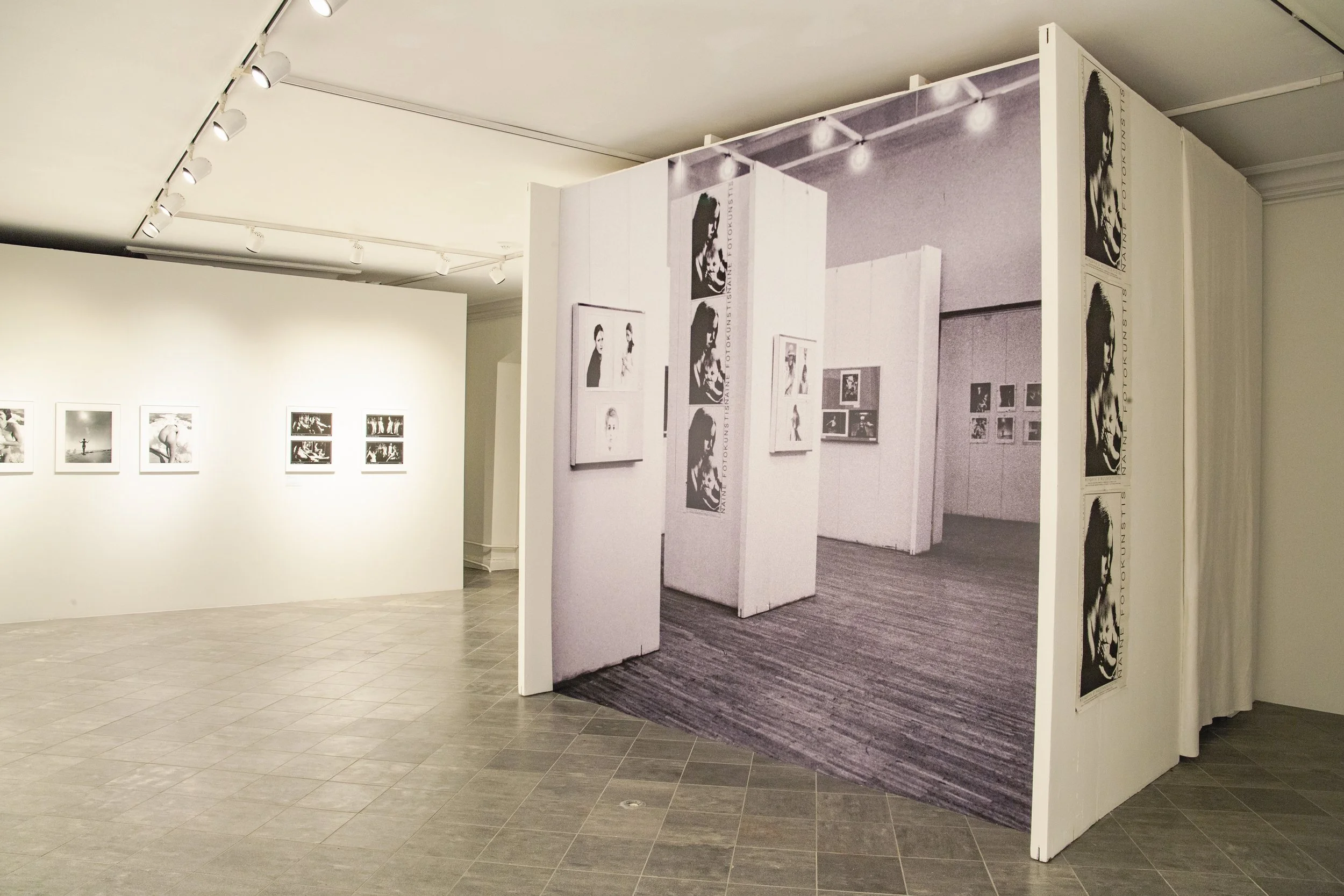
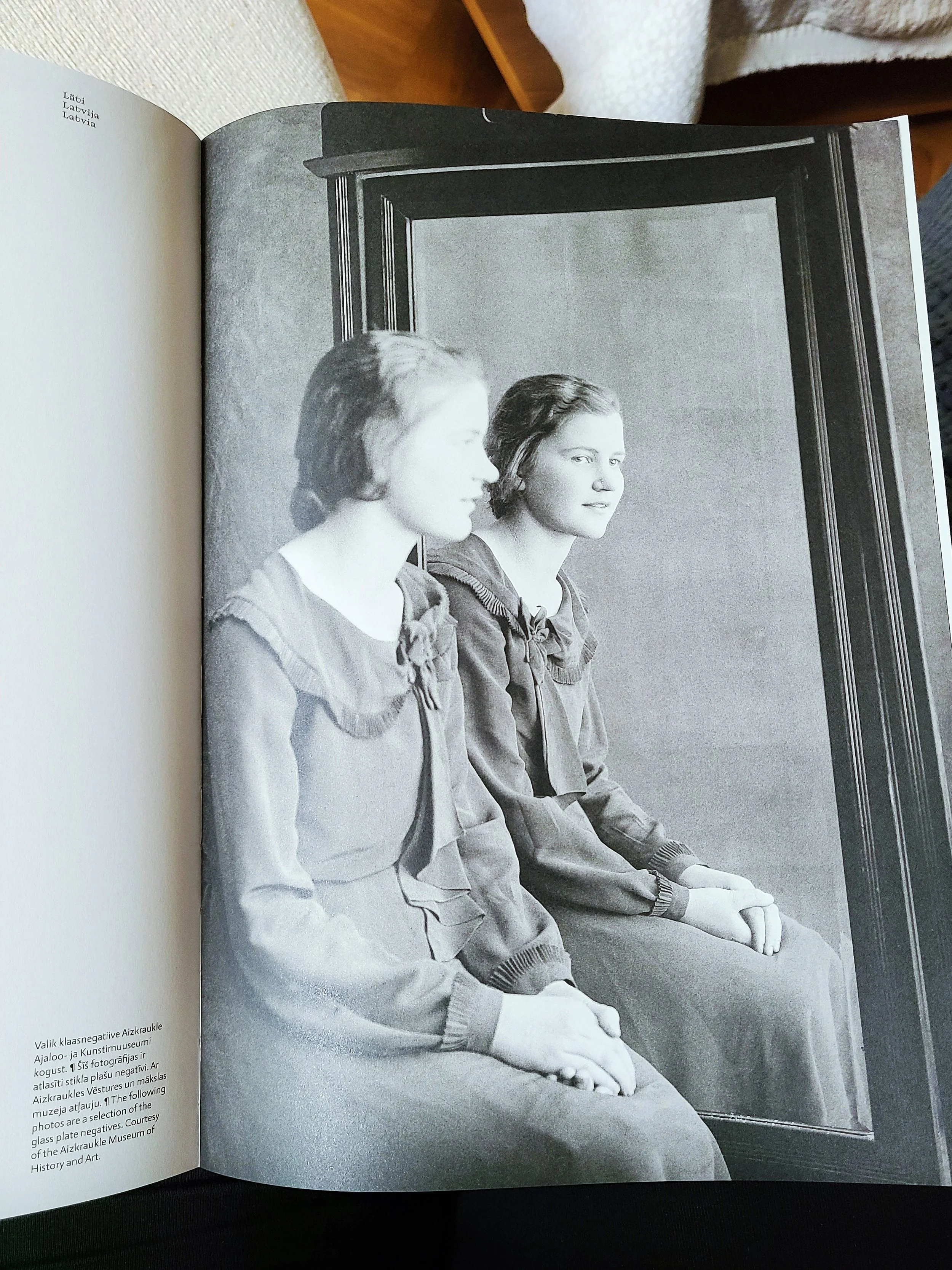
View in the exhibition Silver Girls. Retouched history of Photography at the Tartu Art Museum, Estonia. On view from June 12 to September 27, 2020. Image: Marta Pļaviņa, Young Woman Seated Near a Mirror. 1920s – 1930s. Courtesy of the Aizkraukle Museum of History and Art. Photo: Alise Tifentale.

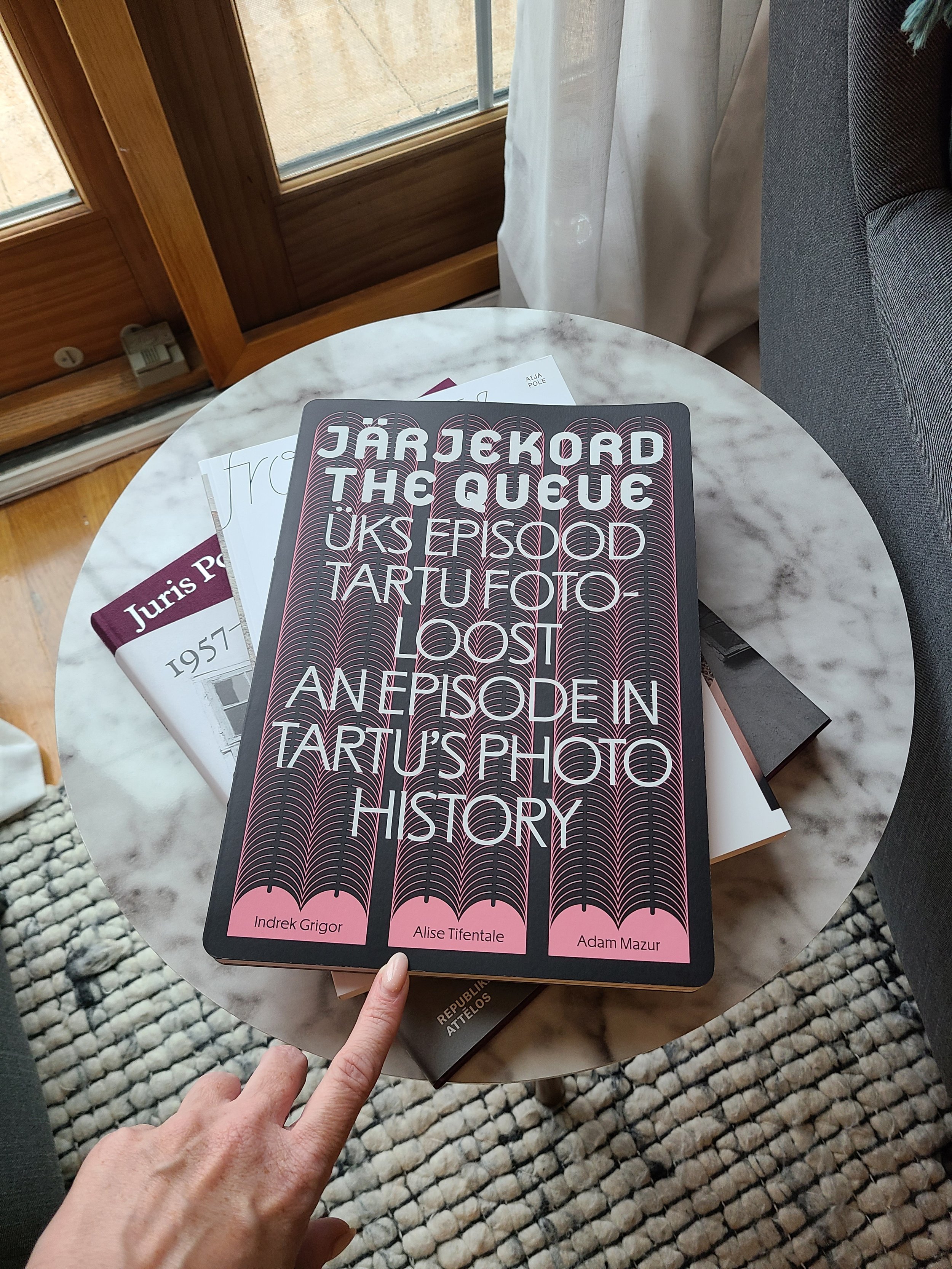
Page from the photo book, Silver Girls. Retouched history of Photography, eds. Šelda Puķīte and Indrek Grigor (Tartu Kunstimuuseum & Blind Carbon Copy, 2020). Image: Marta Pļaviņa, Young Woman Seated Near a Mirror. 1920s – 1930s. Courtesy of the Aizkraukle Museum of History and Art. Photo: Alise Tifentale.