
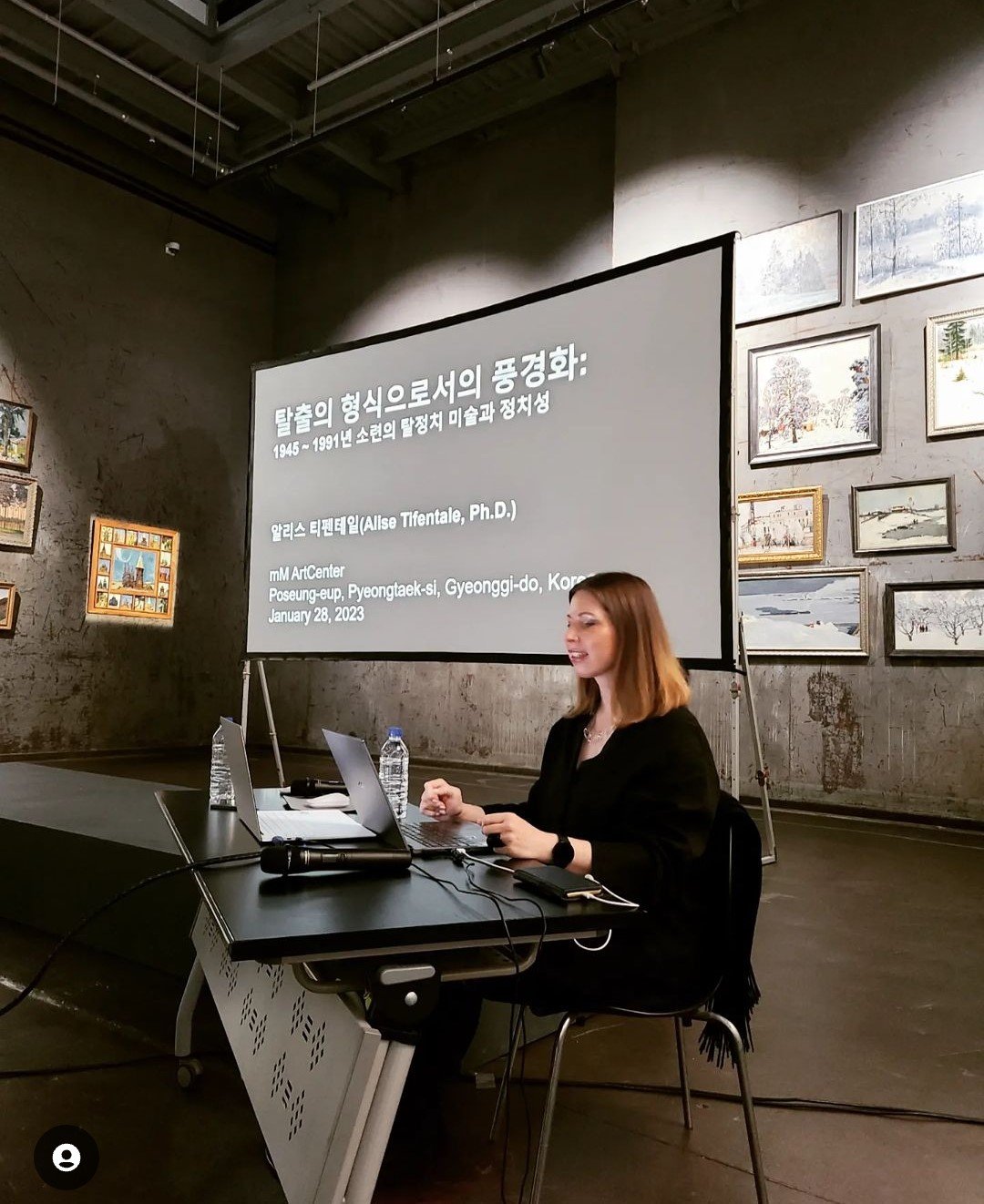
“Landscape as a Form of Escape: Apolitical Art and Politics in the Soviet Union between c. 1945 and 1991” is a talk I delivered at the mM Art Center in Pyeongtaek, South Korea, on January 28, 2023. I was invited to give this talk on the occasion of an exhibition showcasing the mM Art Center’s unique and diverse collection of apolitical art from the Soviet Union.
Read moreNew article and new research direction: "Photography Without Images"
Just published in December 2022! New article and new direction in my research:
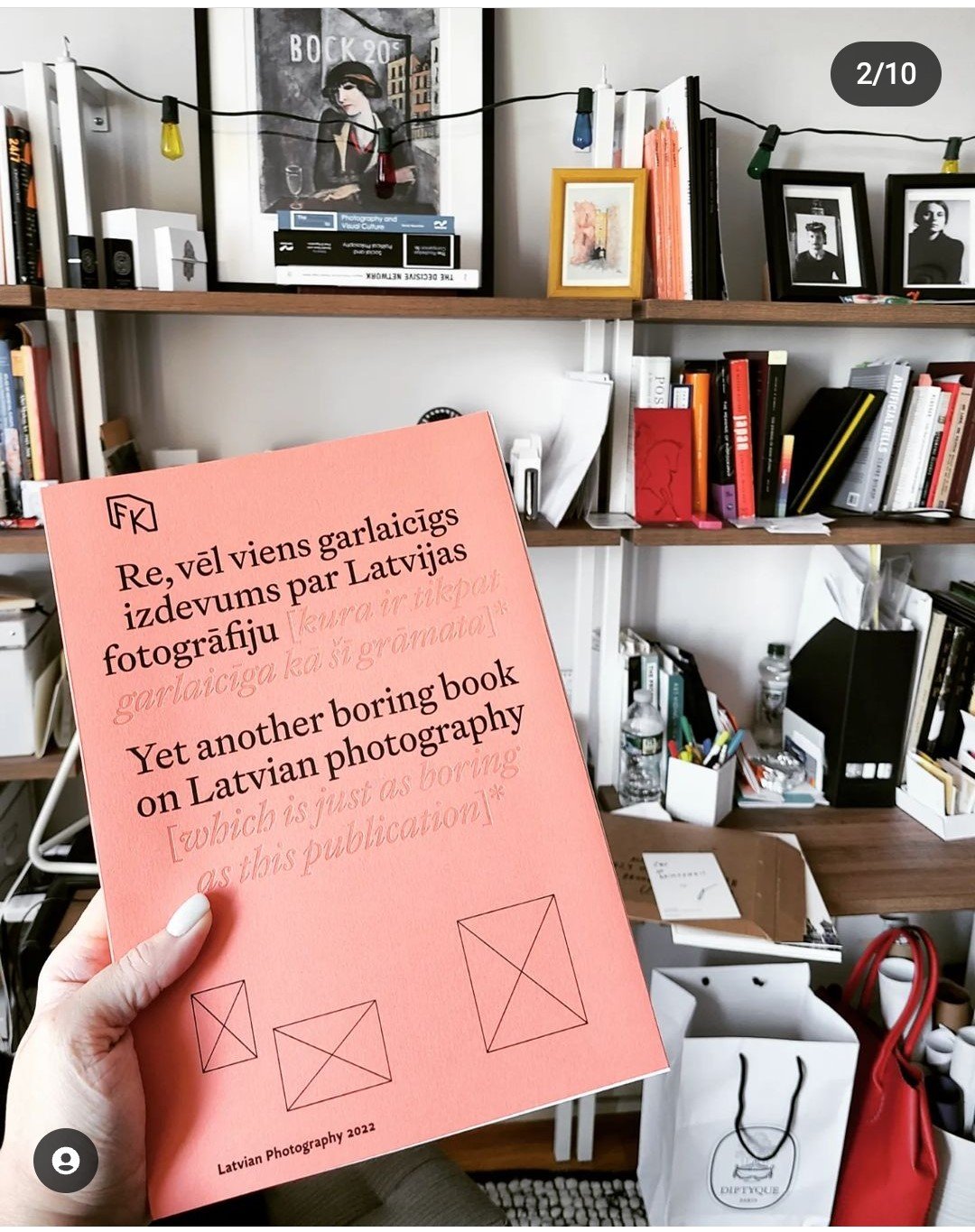
Alise Tifentale, “Photography Without Images: A Proposal to Think About the Medium as Practice, Apparatus, and Form of Social Interaction,” in Latvian Photography 2022, edited by Arnis Balčus and Alexey Murashko (Riga: Kultkom, 2022): 152-171.
Download my article as a PDF here!
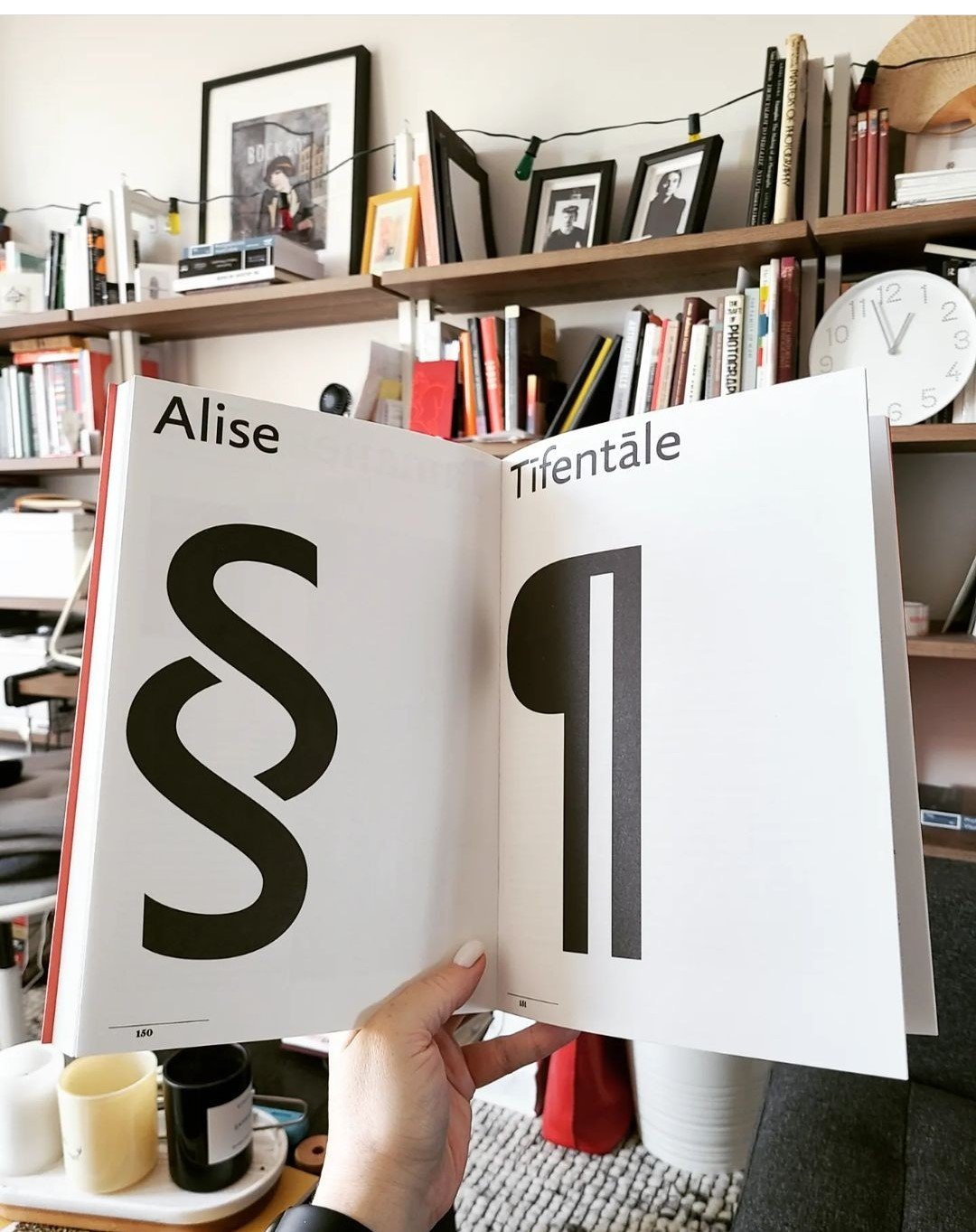
Abstract:
In this article I propose to think about photography without images, i.e., focusing on the medium as practice, apparatus, and form of social interaction. Based on concepts created by Pierre Bourdieu, Vilém Flusser, and Lev Manovich, among others, this article attempts to depart from the image-centered, art-historical approach to photography that has dominated this field so far. Instead of repeating the romanticized narrative of “great” or “important” images and their “talented” makers, this article proposes to look beyond the images’ surface and examine unpublished or deleted photographs in archives and on social media, the significance of darkroom work and collective or shared authorship, photography on the NFT art marketplace, and the role of AI and automation in photographic production. The article discusses the work of photographers, artists, digital creators, and social media content producers such as Sultan Gustaf Al Ghozali, Caroline Calloway, Henri Cartier-Bresson, Zenta Dzividzinska, Alan Govenar, Ivars Grāvlejs, Lucia Moholy, Emma Agnes Sheffer, Alnis Stakle, Sophie Thun, and others.


New peer-reviewed article: "Sophie Thun Interprets Zenta Dzividzinska’s Negatives"

Hot off the press! New peer-reviewed article:
Alise Tifentale, “Sophie Thun Interprets Zenta Dzividzinska’s Negatives: A Case Study of Exploring and Re-evaluation of a Private Photo Archive,” in Mapping Methods and Materials: Photographic Heritage in Cultural and Art-historical Research. Proceedings of the National Library of Latvia 9 (XXIX). (Riga: The National Library of Latvia, 2022): 254-274. Open access.
Download my article as a pdf here.
Download the full volume from the publisher’s website: https://dom.lndb.lv/data/obj/file/33771027.pdf
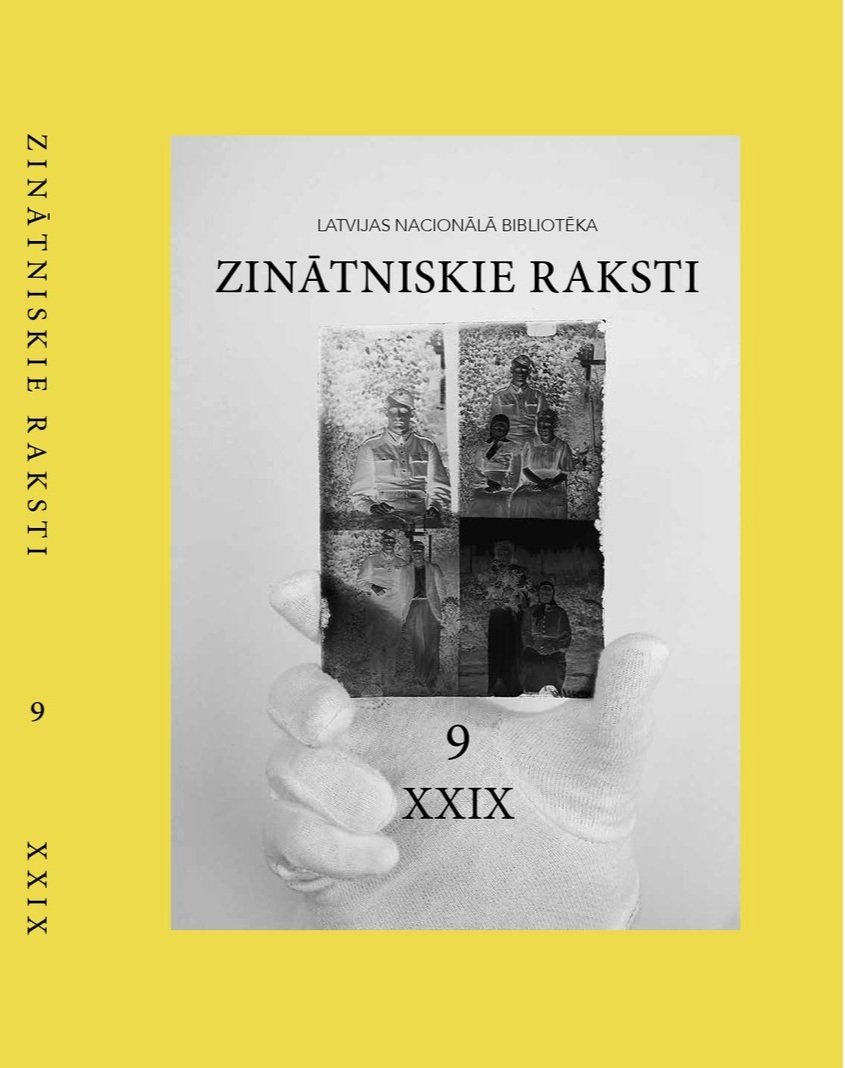
Abstract of my article “Sophie Thun Interprets Zenta Dzividzinska’s Negatives: A Case Study of Exploring and Re-evaluation of a Private Photo Archive”:
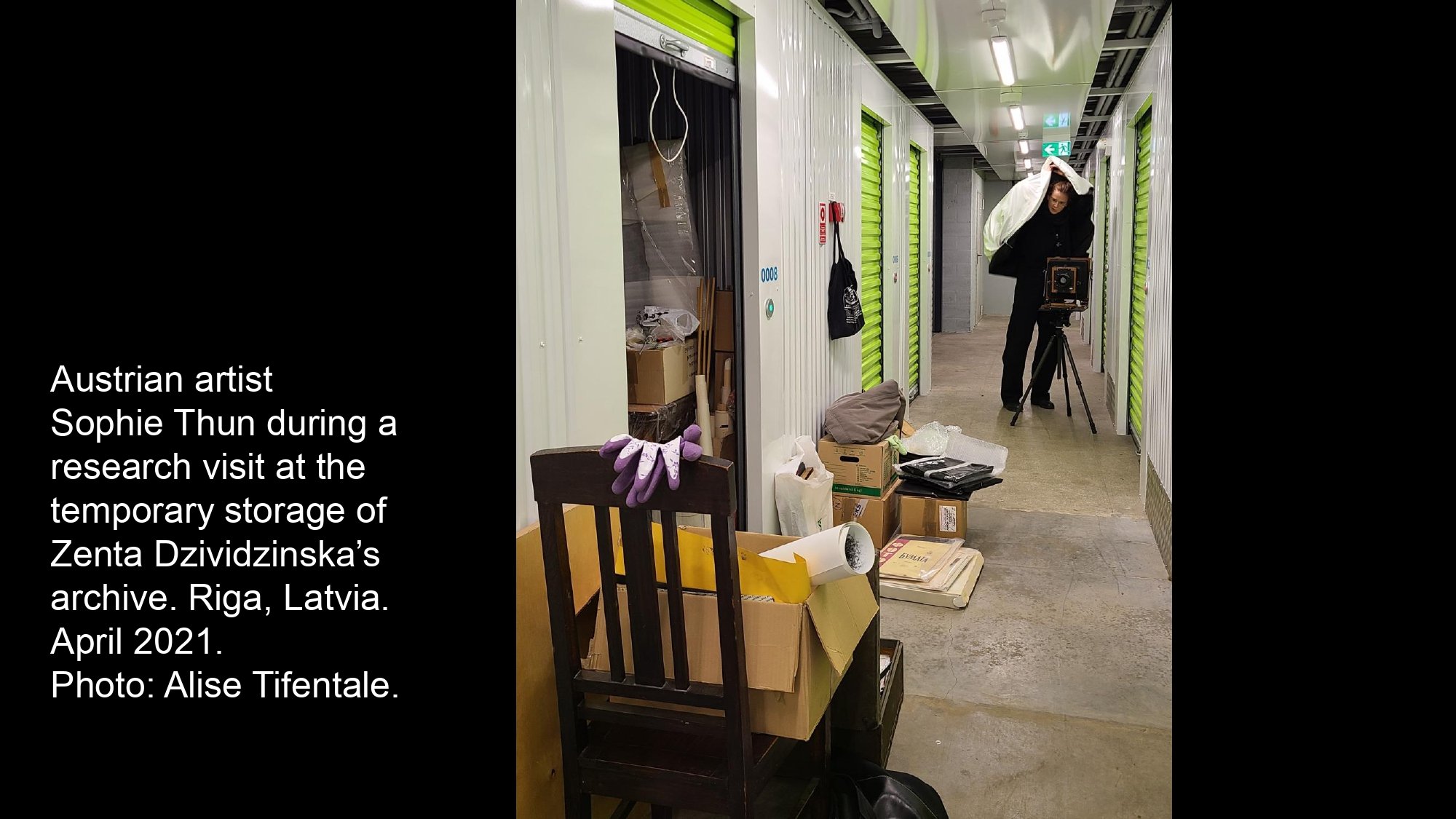
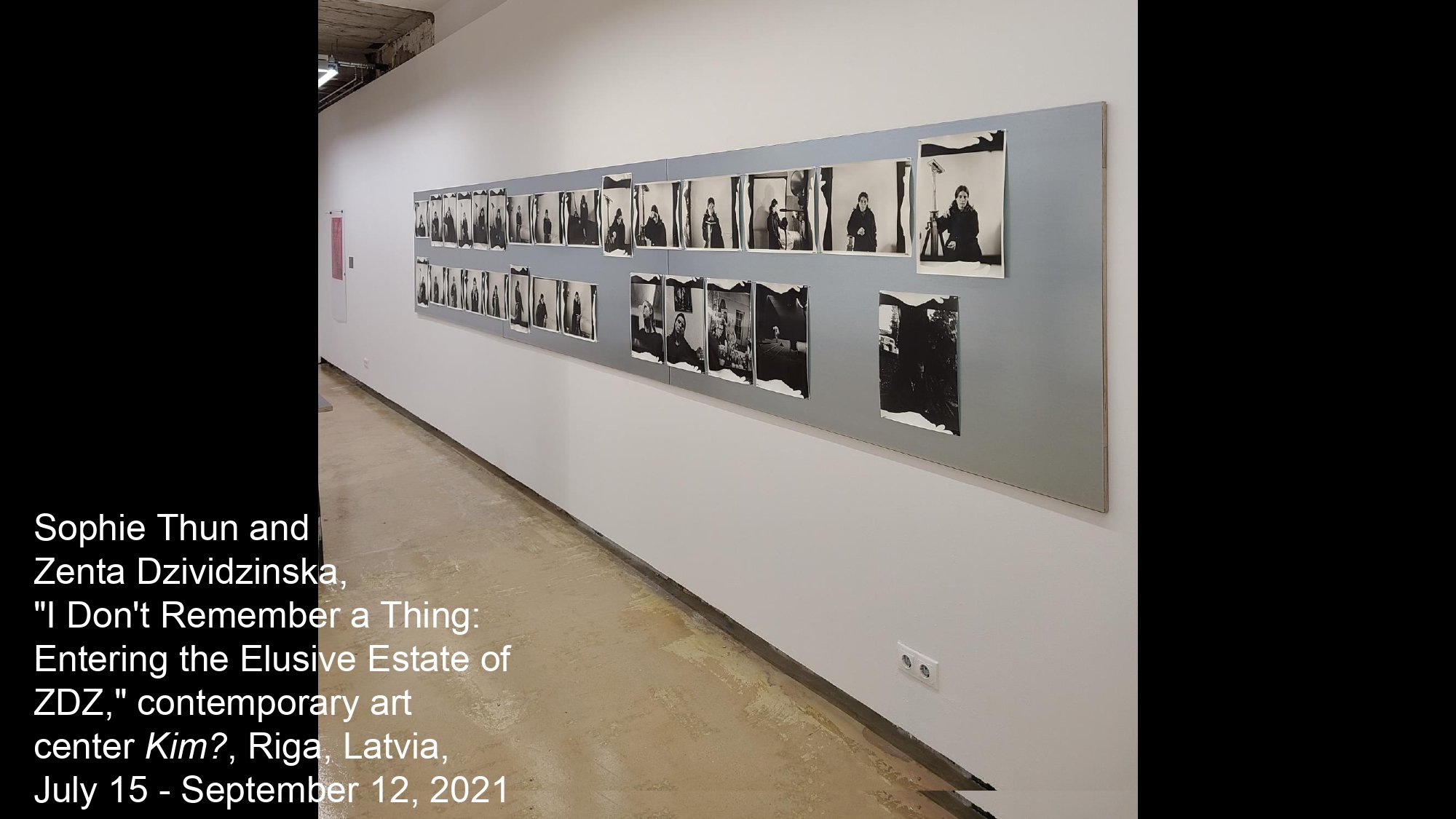
Based on a case study of the private archive and estate of Zenta Dzividzinska (1944-2011), a Latvian artist and photographer active locally and internationally in the 1960s, the article highlights some of the difficulties of preserving forms of cultural heritage that so far have eluded the attention of both the professional art world and official memory institutions. Curator Zane Onckule envisioned a new model of collaboration between the estate of a deceased artist, the practice of a contemporary artist, and the labor of an archivist. The unusual vision resulted in the solo show of Austrian contemporary artist Sophie Thun, “I Don’t Remember a Thing: Entering the Elusive Estate of ZDZ” at the Kim? Contemporary Art Center in Riga, Latvia (July 15 to September 12, 2021). Onckule invited Thun to exhibit her own work as well as to study Dzividzinska’s archive. During the exhibition, Thun discovered Dzividzinska’s negatives and printed new images from them onsite. Thun referred to her practice as interpreting Dzividzinska’s work. Archivist Līga Goldberga opened the boxes where the family had kept Dzividzinska’s archive, described their contents, and helped Thun with the selection of negatives. Departing from the concepts of kinship, collaboration, and affective labor, Onckule, Thun, and Goldberga engaged with Dzividzinska’s archive to create an evolving space for a caring conversation. By physically bringing her archive into the gallery, the exhibition attempted to reverse the history that too often had overlooked and forgotten women photographers’ work. By centering the project around darkroom work, usually the most invisible part of photographer’s labor, the exhibition challenged the cultural status of that labor and encouraged a broader re-evaluation of Dzividzinska’s oeuvre. After the exhibition, part of Dzividzinska’s archive found a permanent home at the Latvian National Library.
Learn more about Zenta Dzividzinska’s life and works here: www.artdays.net
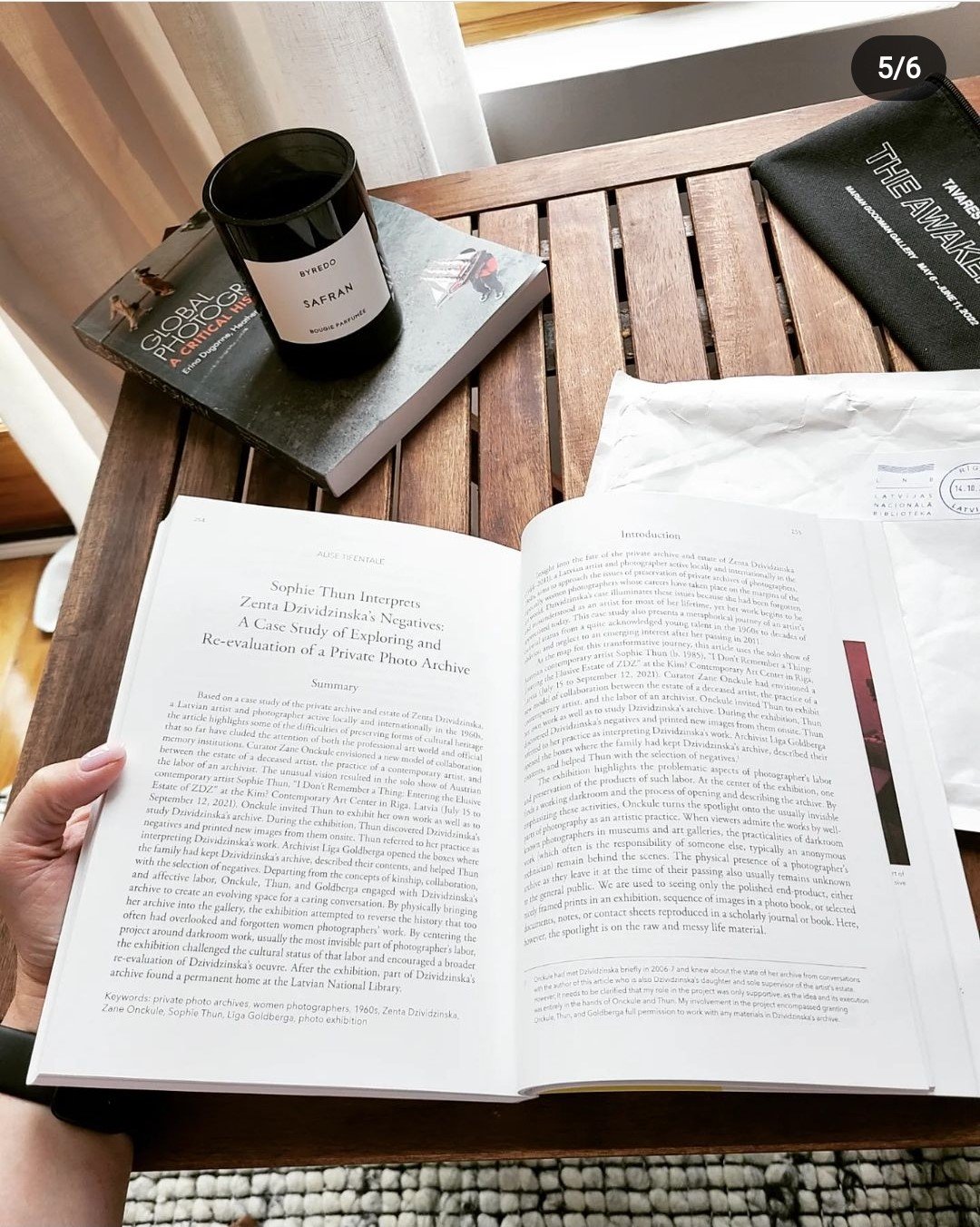

Mapping Methods and Materials: Photographic Heritage in Cultural and Art-historical Research is a peer-reviewed volume that I co-edited with Katrīna Teivāne and which includes articles by Maria Garth, Leila Anne Harris, Elita Ansone, Baiba Tetere, Stella Hermanovska, Aigars Lielbārdis, Kate Švinka, Līga Goldberga, Mārtiņš Mintaurs, Liāna Ivete Beņķe, Šelda Puķīte, Ieva Melgalve and Andra Silapētere.
The volume grew out of an eponymously titled photography research symposium and summer school that Katrīna and I organized in August 2021 at the National Library of Latvia and Art Academy of Latvia—read more about it here.

Joining the faculty of the City University of New York in fall 2022
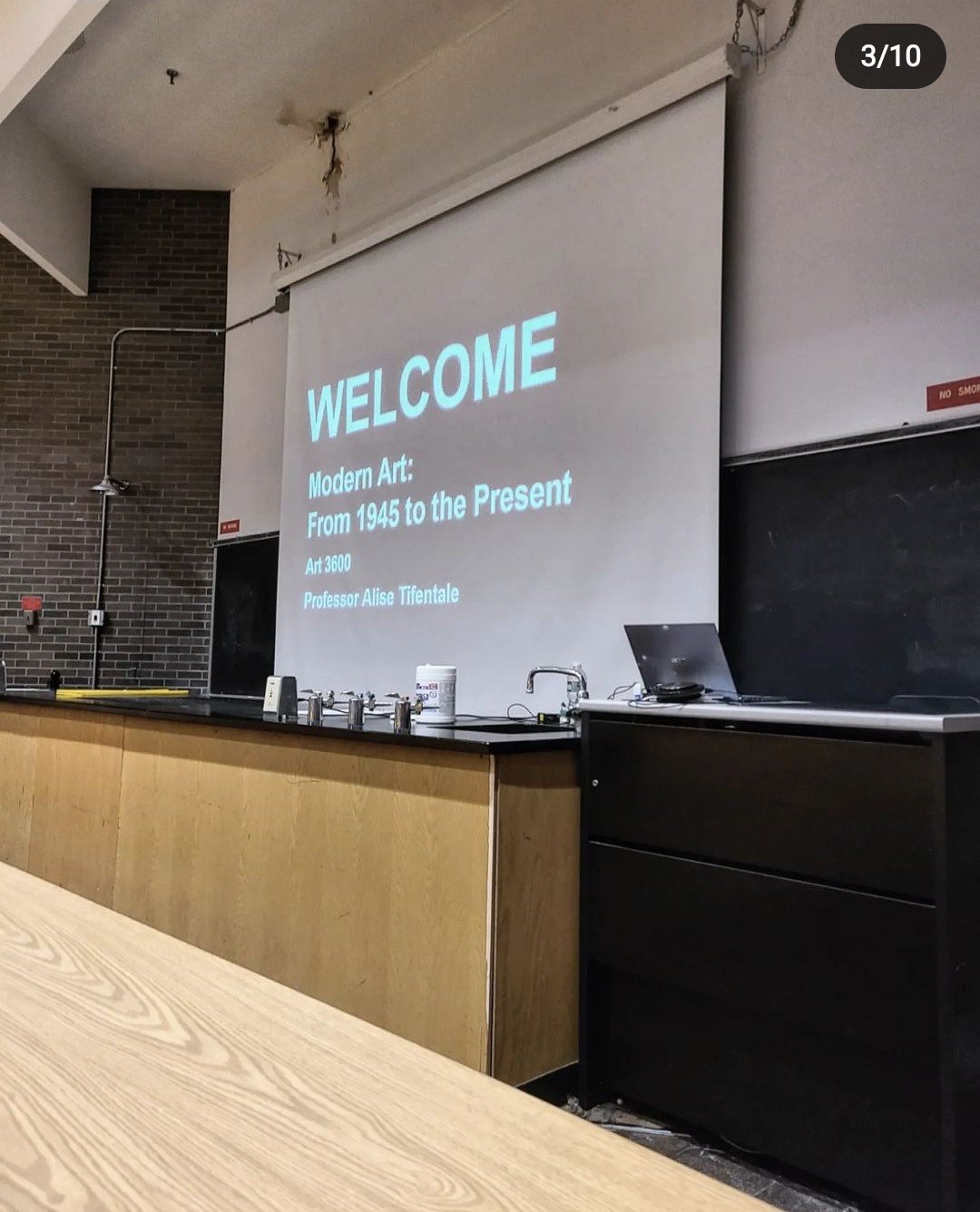
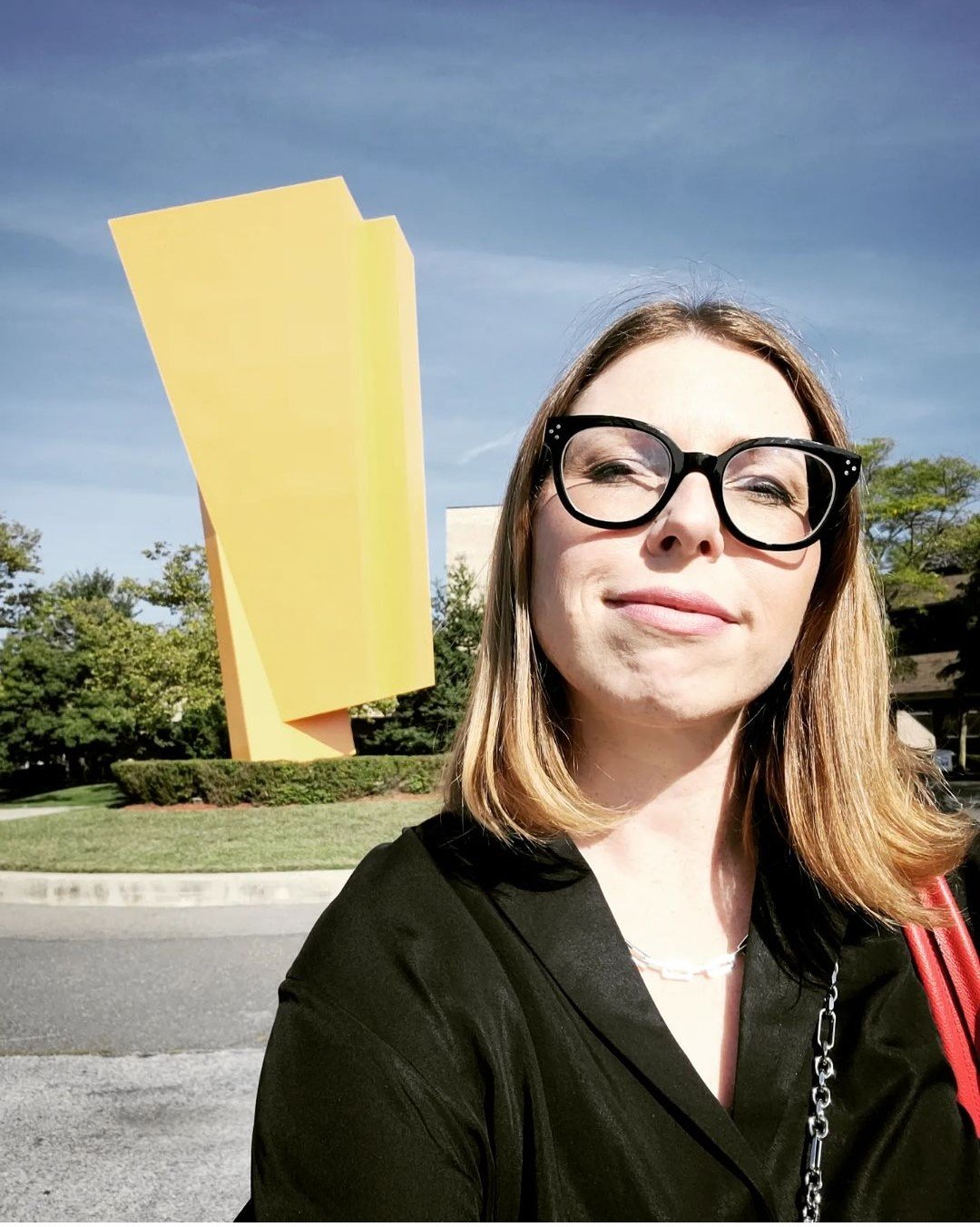
With great excitement I’m joining the faculty of the Art Department at the Kingsborough Community College, City University of New York, as an Adjunct Assistant Professor of Art History in fall 2022.
So happy to work on the loveliest, greenest, and most relaxing urban campus in New York City with a fantastic waterfront promenade right outside my classroom and the Kingsborough Art Museum right next door.

Courses that I teach here include
Modern Art: From 1945 to the Present (in person, fall 2022),
Art History Survey II: From Renaissance to Nineteenth Century Art (asynchronous online, fall 2022),
Survey of Art History: Prehistory to the Present (hybrid, fall 2022), and
Survey of Art History I: From Ancient to Renaissance Art (asynchronous online, spring 2023).


Talk at the seminar "Likeness in Difference. Perspectives on Baltic Regional Art History" in Tallinn
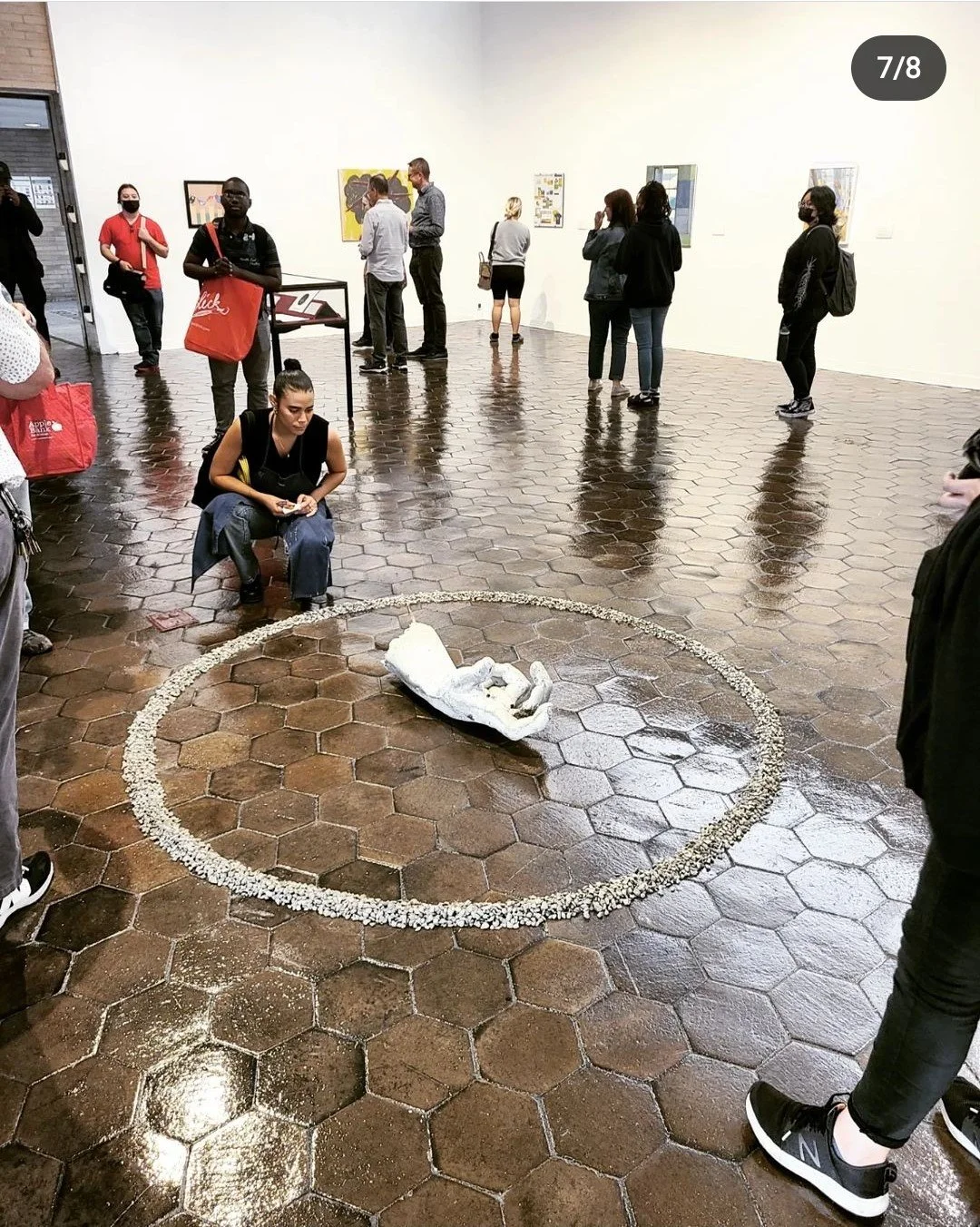
Thrilled to think and write about my recent archival research discoveries: my talk “Invisible Photography: Discovery and Interpretation of Zenta Dzividzinska’s (1944-2011) Archive” in the panel discussion "Invisible Photography" was part of the seminar "Likeness in Difference. Perspectives on Baltic Regional Art History in Tallinn, Estonia, May 14, 2022.
The panel was chaired by Annika Toots, and the participants were Alise Tifentale, Agnė Narušytė and Annika Toots.
Download the seminar program as pdf here, and find out more about the seminar on the Kumu Art Museum website.
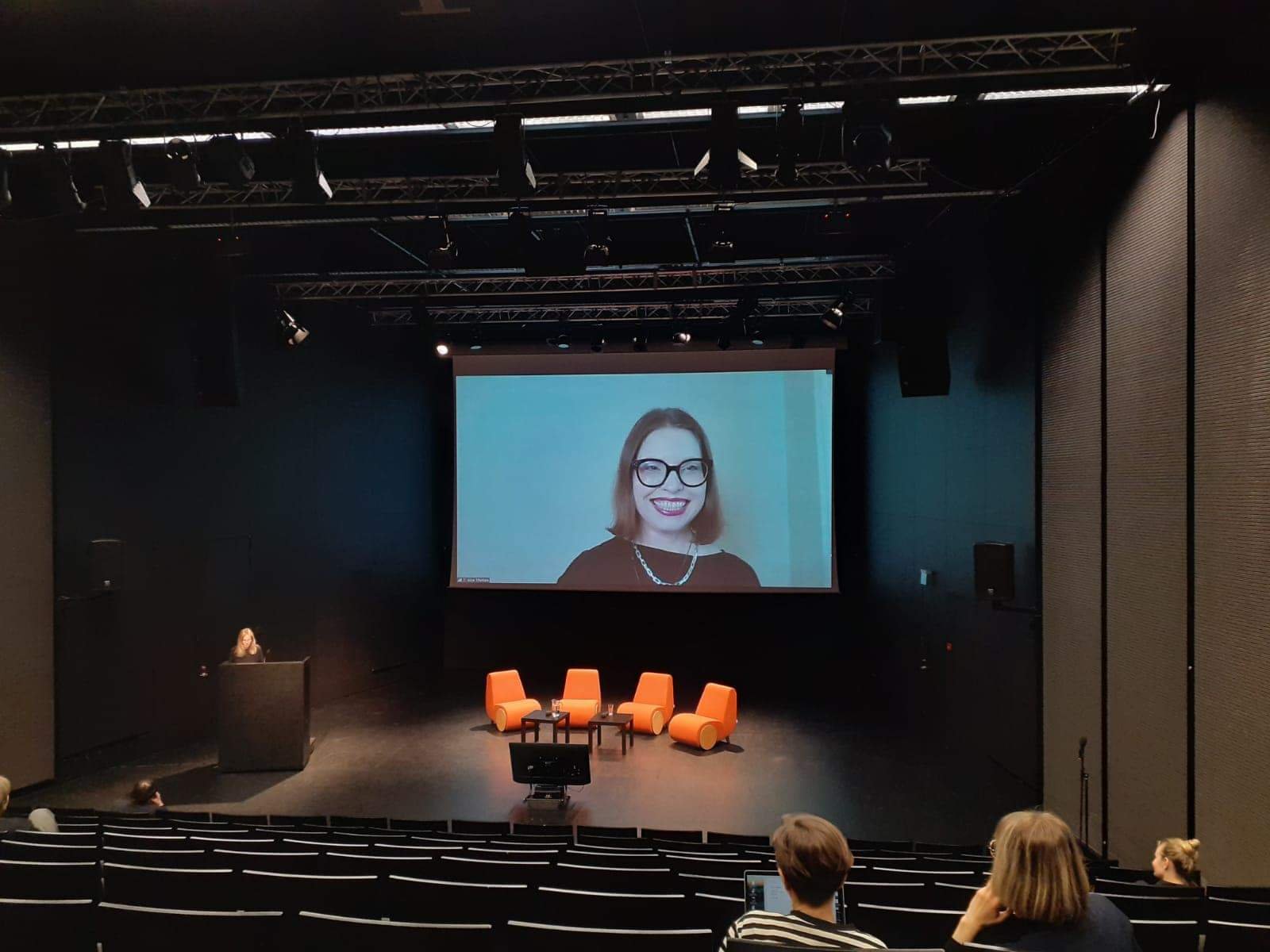
Photo courtesy of Jana Kukaine.
Seminar “Likeness in Difference. Perspectives on Baltic Regional Art History” took place in the Estonian Academy of Arts and Kumu Art Museum, Tallinn, Estonia, May 13-14, 2022. It brought together art researchers and curators from the three Baltic countries—Estonia, Latvia, and Lithuania. Art history of the Soviet period served as the point of departure for the seminar.

Photo courtesy of Inga Lāce.
The abstract of my talk, “Invisible Photography: Discovery and Interpretation of Zenta Dzividzinska’s Archive”:
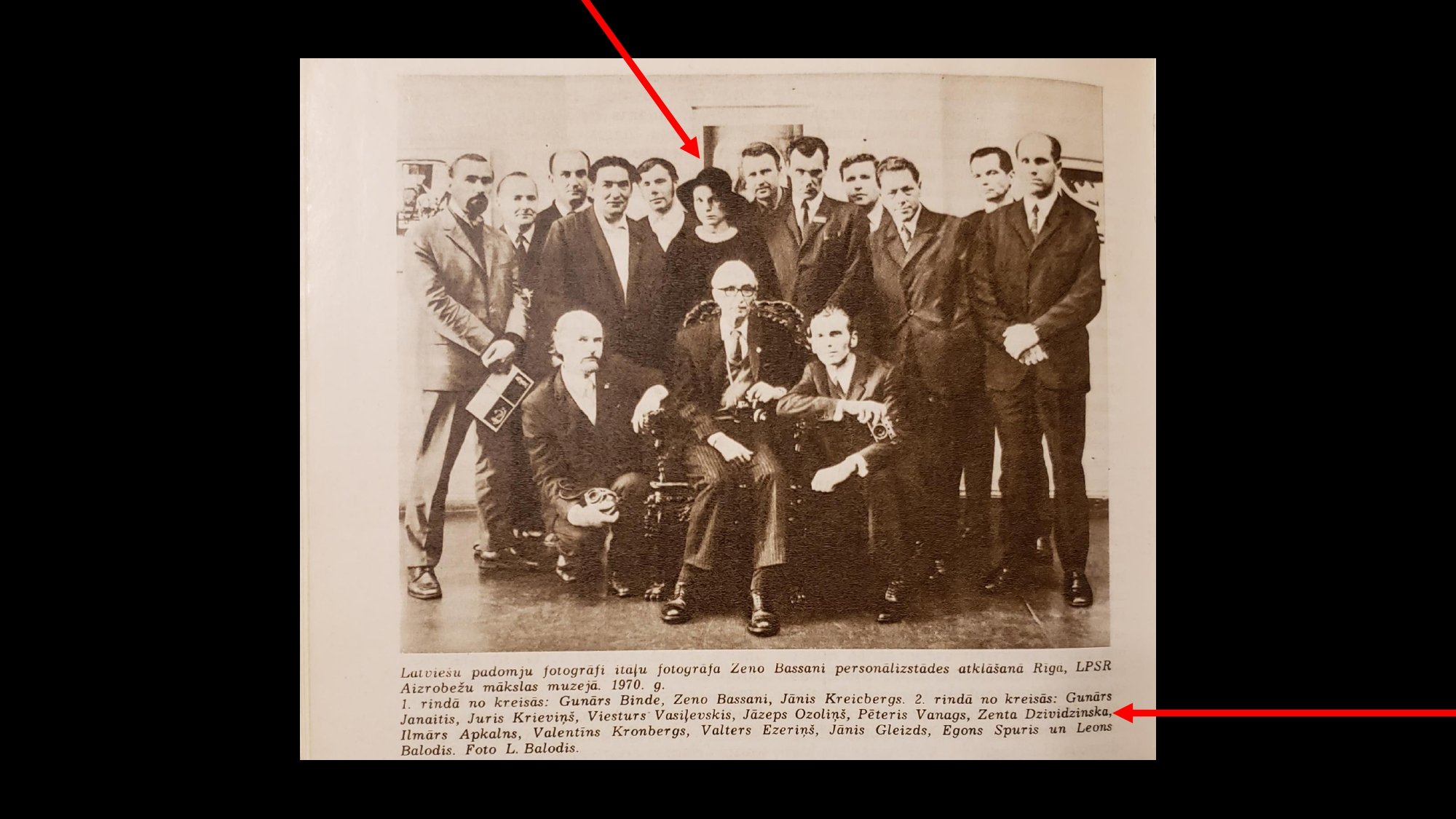
I'd like to propose the topic of invisible photography—such as photography that has survived only in negatives—in the broader context of preservation and interpretation of Soviet-era women-photographers' archives. Focusing on a case study of the private archive and estate of Zenta Dzividzinska (1944-2011), a Latvian artist and photographer active locally and internationally in the 1960s, I'd like to speak about the cultural, social, and political circumstances that had rendered her work invisible until very recently. At the center of Dzividzinska's legacy is a vast collection of hundreds of negatives and prints depicting the daily life of three generations of women as it unfolded in and around their small house in the Latvian countryside as well as self-portraits and collaborative work produced together with other young female artists and art students while she studied at the art school in Riga. She was misunderstood for most of her lifetime, and only since the 2000s her legacy has begun to attract interest from art historians, curators, and contemporary artists. But one of the main challenges for anyone who would be interested in her work is that it is invisible. Museum curators or collectors typically are interested in “great” artworks—they look for large-size, excellent quality, well-preserved vintage prints ready for framing and exhibiting. But Dzividzinska did not make many exhibition-size prints during the 1960s. Her most radical work at the time was not thought of as exhibitable, so it exists in small test prints or only in the form of negative because Dzividzinska not always had the time and resources to produce any prints at all.
Learn more about life and works of Zenta Dzividzinska: www.artdays.net

Photo courtesy of Šelda Puķīte.
Watch my presentation and the following discussion on YouTube:
Watch the lively discussion that followed our panel:
Browse the slides from my presentation:






New research article published in Social Sciences
This article is one of the deliverables in the research project, Life with COVID-19: Evaluation of overcoming the coronavirus crisis in Latvia and recommendations for societal resilience in the future (VPP-COVID-2020/1-0013) that was implemented from June 2020 to March 2021. The project was led by Alise Tifentale who from December 2019 to March 2021 served a visiting researcher at the Communication Studies department, Riga Stradins University, Riga, Latvia.
Read moreSoviet press photography: A review of two books
I reviewed two new photo books that offer an insight into the press photography of Soviet Latvia from the 1950s—1970s: Dominiks Gedzjuns. 1956-1961, edited by Toms Zariņš and Aleksejs Muraško (Riga: Kultkom, 2021) and Bonifācijs Tiknuss Takes Photographs Half a Century Ago, edited by Andrejs Tiknuss in collaboration with Ēriks Hānbergs and Voldemārs Hermanis (Riga: Madris, n.d.)
Read moreNew research report: Examining the growth of art biennales, 1895 - 2019
We collected the data in the second half of 2018. This report was created in March-April 2020 and updated for publication on December 10, 2021.
Read moreNew article: "The Most Popular Art Medium that Has Two Festivals and a Gallery"
New article "The Most Popular Art Medium that Has Two Festivals and a Gallery. A Reflection on Photography and Photographers in Latvia’s Art World” sizzling hot off the press! Published on December 7, 2021, on Arterritory.
Read moreSuccessful conference day! Our panel at the ASEEES 2021 Annual Convention
I had the pleasure and excitement to serve as a discussant at the ASEEES 2021 Annual Convention virtual session Fake Equality: The Activity, Impact, and Representation of Women in Photo Clubs and Organizations in the Late Soviet Period. The panel session went live Thursday, December 2, 2021 8am CST (4pm EET).
Read moreNew research article published in Communication Today
This article is one of the deliverables in the research project, Life with COVID-19: Evaluation of overcoming the coronavirus crisis in Latvia and recommendations for societal resilience in the future (VPP-COVID-2020/1-0013) that was carried out from June 2020 to March 2021, led by Alise Tifentale.
Read moreI'm on the list of top Latvian women in science and education 2021
My former boss at the Riga Stradins University, Dr. Anda Rožukalne, added my name to the Pastaiga magazine list of top Latvian women in science and education 2021.
Read moreInterview for CreativeMuseum.lv
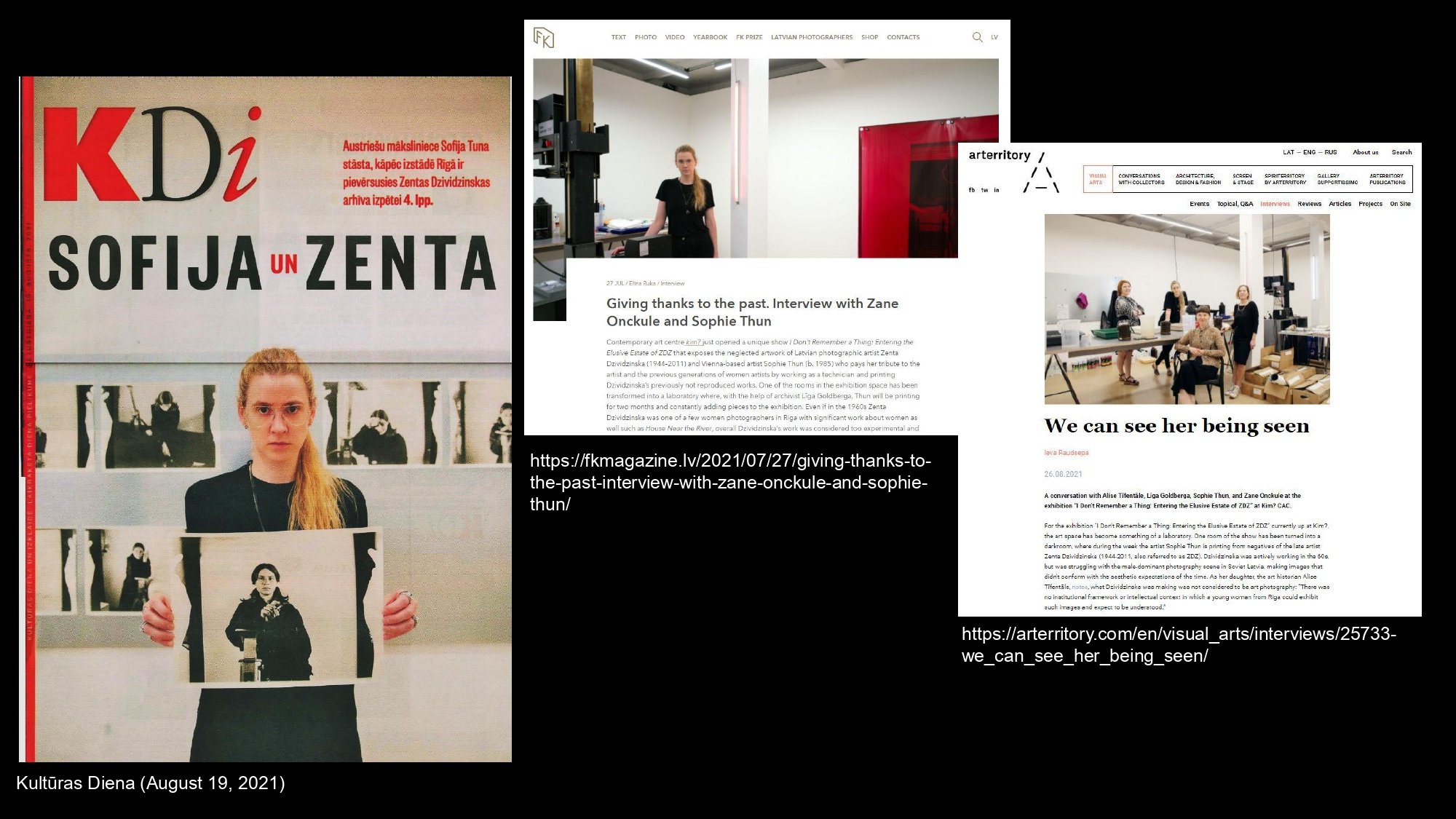
New interview! “Photography as Heritage. Baiba Tetere in Conversation with Alise Tifentale,” CreativeMuseum.lv, August 31, 2021. We talked about, among other things, photography as cultural heritage, photography as the ultimate symbol of modernity (by way of Batchen, Flusser, and Azoulay), and my own research and current work with the Art Days Forever archive.
Read moreRound table discussion at the exhibition “I Don’t Remember a Thing: Entering the Elusive Estate of ZDZ” for Arterritory
“We Can See Her Being Seen,” a conversation with artist Ieva Raudsepa, Alise Tīfentāle, archivist Līga Goldberga, artist Sophie Thun, and curator Zane Onckule at the exhibition “I Don’t Remember a Thing: Entering the Elusive Estate of ZDZ” at Kim? contemporary art center. August 26, 2021, Arterritory
Read moreCo-organizing "Mapping Methods and Materials," a photo research symposium and summer school
Together with Katrīna Teivāne-Korpa (National Library of Latvia) and Inese Sirica (Art Academy of Latvia), I co-organized a photo research symposium and summer school “Mapping Methods and Materials: Photographic Heritage in Cultural and Art-Historical Research,” Riga, Latvia, August 16-20, 2021.
Read moreEssay for a Russian art exhibition in Seoul, South Korea
I had the pleasure to think and write about 20th century Russian art for the essay, “The Lesser Known Romantic Side of Soviet Art,” published in exhibition catalogue Good Morning USSR. The exhibition took place at the NAMA Gallery, mM Art Center, Seoul, June 30 - July 30, 2021.
Read moreTalk at the Almeida e Dale gallery (São Paulo) on Brazilian modernist photography
My talk about Brazilian modernist photography and the global photo-club culture of the 1950s and 1960s at the Almeida e Dale gallery (São Paulo, Brazil) on the occasion of a new virtual exhibition, “Men at Work. Foto Cine Clube Bandeirante at the IV Centennial of São Paulo,” curated by Iatã Cannabrava.
Read moreRoundtable at the Zimmerli Art Museum, Rutgers University
I had the honor to participate in a panel discussion on the occasion of the exhibition celebration and virtual opening reception - Communism Through the Lens: Everyday Life Captured by Women Photographers in the Dodge Collection at the Zimmerli Art Museum, Rutgers University, on April 29, 2021.
Read moreNew Chinese translation
Chapter by Alise Tifentale, "The Selfie: More and Less than a Self-Portrait," appears in the new Chinese edition of The Routledge Companion to Photography and Visual Culture (2020). The book chapter was written in 2016, and the original English edition was published in 2018, edited by Moritz Neumüller.
Read moreInterview for radio NABA
An interview with Alise Tifentale by professor Ivars Austers, radio show “In the Name of Science” (Zinātnes vārdā), radio NABA, on air April 15, 2021. Radio NABA is part of Latvian public broadcasting service, aimed at student audiences.
Read more
Quisque iaculis facilisis lacinia. Mauris euismod pellentesque tellus sit amet mollis.